


The peak body representing Byron Shire’s community and residents’ groups, Community Alliance for Byron Shire (CABS), have posed the following questions for councillor candidates.
All candidates replied to CABS except mayor Michael Lyon.
Infrastructure – Will you prioritise funding for essential infrastructure maintenance in Byron Shire?
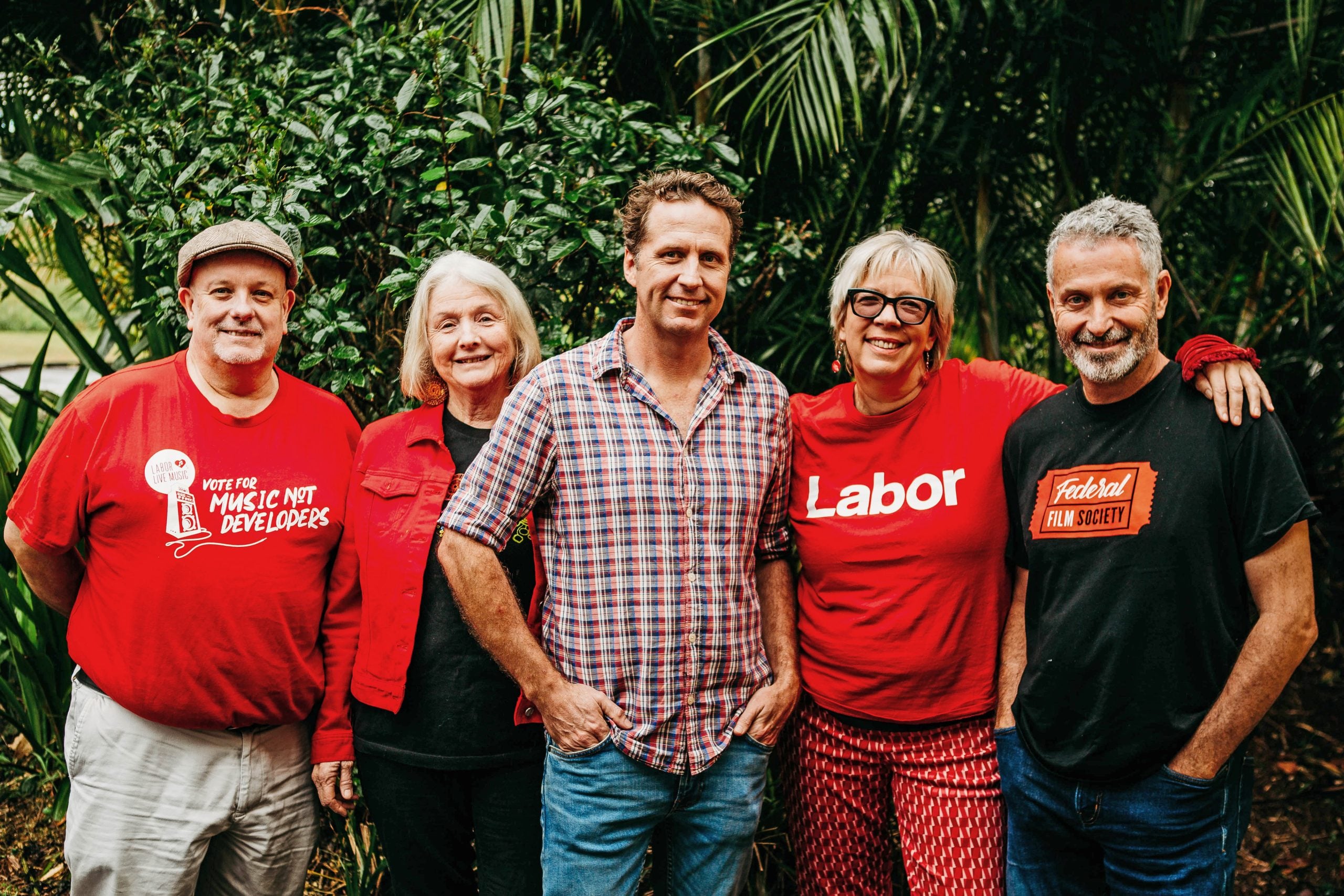
Group A Asren Pugh
Yes we will continue to do that. The flood recovery effort was enormous. Resources are stretched across the region. Drains remain an obvious priority and I managed to get a team doing drain clearing immediately following the floods. We will look into making this more permanent. We will recruit a new grants officer to help with sourcing funds. Residents understand how huge the task is after years of neglect and playing catch up. We can always do better and will.
Group B David Warth
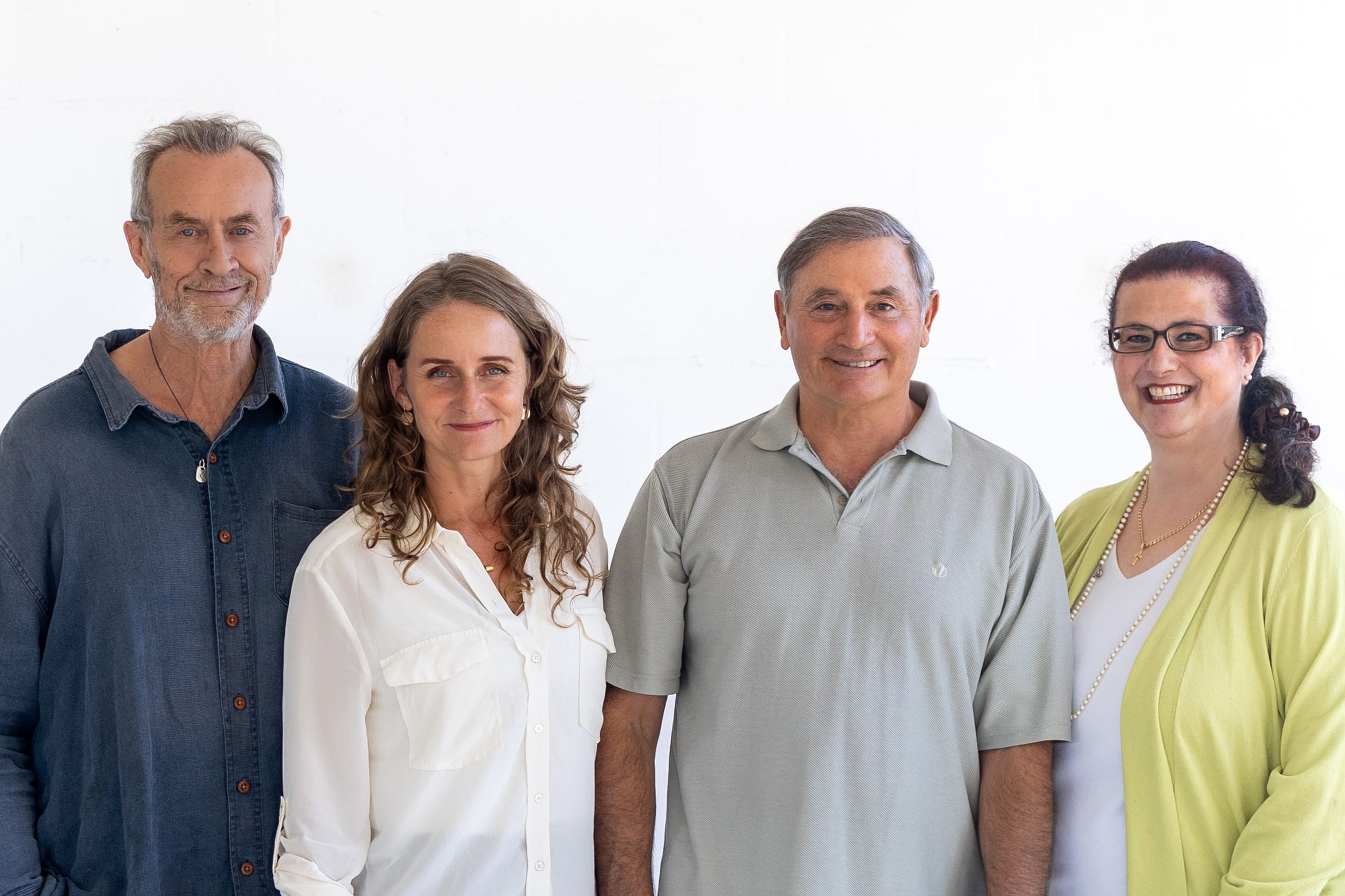
I would prioritise funding for essential infrastructure maintenance in Byron Shire. I am concerned about non essential projects gaining prominence. The Burringbar Street revamp in Mullumbimby is one such example.
These projects can be controversial when our community sees that maintenance of basic infrastructure such as roads and drains is neglected.
Group D Sarah Ndiaye
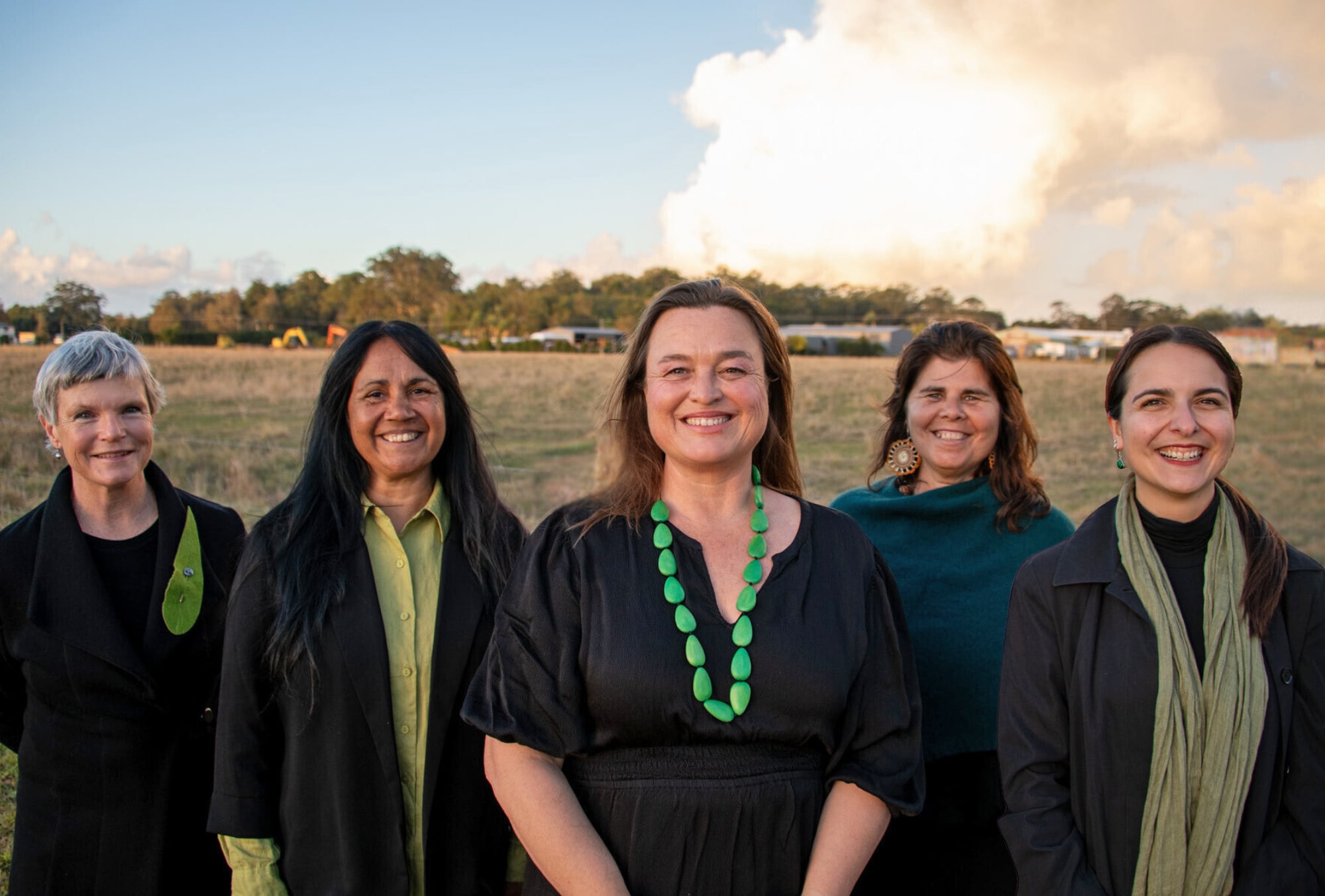
Yes, of course, but with such a tight budget it’s important that the community has some input over how to prioritise funding and which projects are most essential.
Group E Jack Dods
Yes. Byron Shire Council could, and should, direct more funding towards regular maintenance of essential infrastructure. But we would not prioritise funding for such items if it was at the expense of our key priorities of place making, cycleways/rail-trail, masterplanning, and affordable housing.
Ungrouped candidate Lucy Vader
Yes. This is a fundamental.
Infrastructure – Will you actively collaborate with the NSW state government and advocate for improved and interconnected public transport between village centres?
Group A Asren Pugh
Yes we have advocated for improved bus connection especially between the North of the shire and Byron. Transport for NSW is working with us to launch electric bus trials and shuttle bus services within our towns. The ongoing fixation on returning trains has distracted us from delivery on the practical challenge of delivering transport. I have organised a community Zoom with Transport Minister Jo Halyen on the 9th September and this is one of the things we will be discussing.
Group B David Warth
I will actively collaborate with the NSW state government and pursue the case for improved and interconnected public transport between village centres.
With the high cost of living and the cost of car ownership becoming more expensive, efficient public transport will become necessary.
Group D Sarah Ndiaye
Absolutely! We are gathering support to lobby for an on-demand bus service for our community. This has been trialed around regional NSW and is proving really effective at meeting community’s transport needs at public transport prices. Public transport has been neglected in our region for decades and this is the most appropriate and workable solution I’ve seen to assist in connecting our communities. This impacts so many young people and our elderly who are stranded once they can no longer drive. Learn more here and sign our petition here: www.byrongreens.org/connecting_our_communities
Group E Jack Dods
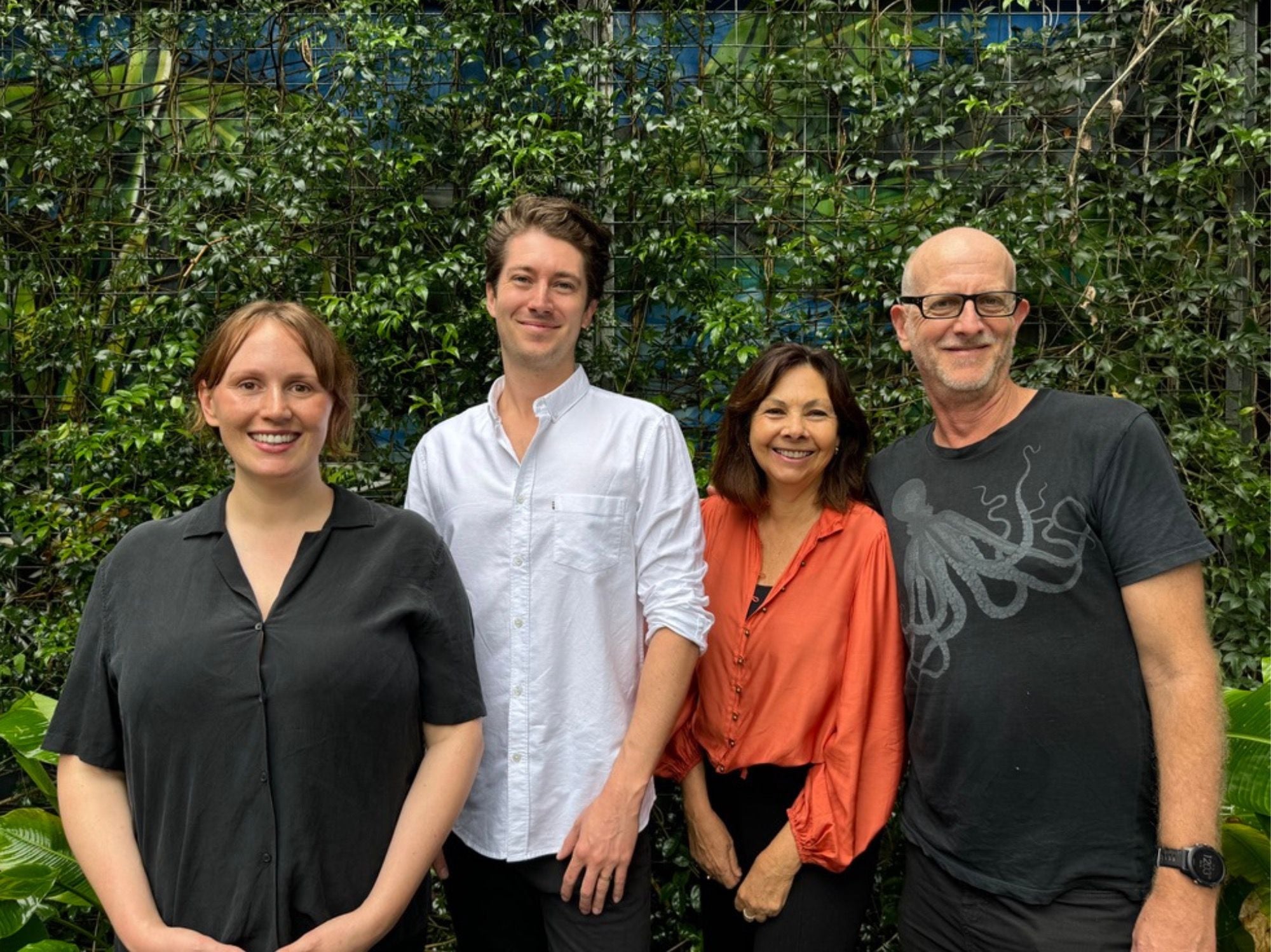
Yes. Both in the form of an end-to-end rail trail, and improved on-demand public transport services.
Prioritising funding for essential infrastructure maintenance across Byron Shire is important, and if elected, we would propose the new Council be briefed by Council staff on current and planned infrastructure development projects and maintenance programs including funding allocations.
Advocating and working collaboratively with the NSW government is important to ensure important Byron Shire infrastructure projects are considered and funded adequately. Bright Future Byron are strong advocates for improved interconnection of transport infrastructure and services between our villages, including development of the Rail Trail, pathways and cycleways and identification of cost effective ways to improve public transport – e.g. small scale e-bus services.
Ungrouped candidate Lucy Vader

Yes – this is a critical amenity for our region to function.
Housing/planning: Will you oppose new development in floodplain areas?
Group A Asren Pugh
We need to adapt our housing and our communities to climate risk, it’s not just about floodplains, but includes heat, fires and disaster response more generally. Instead of a flat ‘no’ to housing and infrastructure, we want to build communities that are climate and disaster resilient.
Group B David Warth
Development on flood plains is very problematic. The potential for flooding is not uniform but areas of significant risk of flooding must be avoided.
It is irresponsible to allow new development in these areas. Apart from the trauma and cost of being caught in a flood event, there may well be serious insurance issues for home owners in flood prone locations in our shire.
Group D Sarah Ndiaye
We will always oppose inappropriate development, like the proposed project at Chinbible Ave [Mullum] for 40 lots on 1m of fill in the middle of flood-affected Mullum. Sometimes it is unavoidable, so we’re open to innovative, resilient housing and environmentally-sensitive approaches in flood affected areas if it’s already zoned to build, provided it doesn’t negatively impact the surrounding community.
Group E Jack Dods
We oppose development on all flood prone land. Floodplain land is a more nebulous term that encompasses whole areas like virtually all of the town of Mullumbimby. There still needs to be allowances for development in such instances, such as brownfield or infill development in these areas (where existing planning rules permit). However, such proposals would be subject to rigorous flood impact studies, and we would only support proposals in these areas if they are responsive, and do not exacerbate the impacts of flooding. We support updating Council’s flood mapping to reflect the 2022 flood event.
Ungrouped candidate Lucy Vader
It is clear that impacting development on floodplains is not just inadvisable, it should be largely off the table. The Byron Shire are a large region, we do not have make statements such as ‘floodplains should only be developed if they were the last option available.’ To me, that is like saying we would only develop in the centre of an active volcano as a last option. So yes, I will oppose new impacting development on floodplain areas.
Housing/planning: Will you actively seek funding and support for public housing and support pressure being put on state and federal governments to provide public housing on, for example, the former Mullumbimby Hospital site?
Group A Asren Pugh
I have already started working with state government to tap the $5b fund for social housing launched this month by minister Rose Jackson. So little has been achieved over the decades in building social housing. Our railway corridor remains an opportunity for new village development. Our residential strategy outlines where development can occur but we need to see collaborating with the state government on social housing as an issue for Council.
Group B David Warth
I will actively seek funding and support for public housing. I will engage with State and Federal government bodies to provide public housing. The outcome of these negotiations will determine the feasibility of purely public housing on sites such as the Mullumbimby Hospital site.
Other options may have to be considered. The impact of developing this particular site with regard to traffic flow and management must also be taken into consideration. I have proposed a Rural Residential Park being constructed between Byron Bay and Mullumbimby to affordably house people working in our shire. If elected I will pursue this concept.
Group D Sarah Ndiaye
It is unbelievable that in the shire with the most rough sleepers in NSW, we have not a single public house. (Only privately-run community and social housing.) We will be advocating for investment in public housing in this Shire, working with State and Federal government to deliver this. They have stated endlessly that this is what they want to do so we’re happy to work with them to deliver this.
We would love to see the Mullum Hospital site stay in public hands. We want to see a mix of public, accessible and key-worker housing. We can’t do this alone though, to do this, the state and federal government needs to come to the table. To start, we need help to cover the $5m remediation bill that Council had to pay for asbestos remediation.
Group E Jack Dods
Yes. We will strive to provide as much public housing as possible at the Mullum Hospital site. However, we realise Council does not have the funds or ability to develop the site alone. It will likely need a development partner, and as such a proportion of the housing will likely be market housing to offset the costs of affordable and public housing, as well as to provide community infrastructure.
We also believe public and affordable housing functions best when interspersed with market housing, to help create more diverse and dynamic neighbourhoods for all.
Ungrouped candidate Lucy Vader
In collaboration with the experience of other councillors and the staff, this will be on the agenda of an element that is critically lacking in the Shire. Where, how, what type, how much it costs – these questions are in motion as I type. Definitions of types of housing and who they benefit are in question and have to be examined, a revision of the State Policies looking at whether new definitions should be established, such as rent stabilisation, but in a way that navigates the pitfalls of stabilisations – e.g., looking at other successful models of public housing in other countries such as Holland, and some areas within the USA such as New York.
But a shorter answer: Yes – there are options to look at. (Bearing in mind that building costs have in some categories now tripled in price, tradespeople are increasingly scarce, and the country’s population grows at a rate that many would call unsustainable, enthusiastically encouraged by the government, driving inflation, reducing availability of materials, trades, housing, and increasing costs.)
Housing/planning: Will you commit to preserving community-owned land for public benefit and oppose selling public land for private development?
Group A Asren Pugh
I oppose selling off public assets and was central to the effort to save Feros Village. We saved 40 houses for our elders, working with the ALP state minister for Crown Land Steve Kamper. That’s a model for how we preserve our community assets.
Group B David Warth
Retaining public land for community benefit is desirable, but the cost of development of this land is a major issue. I would engage with our community to work out the best possible use of the land and what models for development are considered suitable.
Group D Sarah Ndiaye
Yes. When I first got on Council there was a whole list of properties slated for sale and we managed to stop that. It’s always best to keep public land in public hands where possible.
Group E Jack Dods
See above. While we hope to preserve as much public land as possible, we are aware that in order to finance and deliver such projects, a portion of the final product will need to be market housing.
Ungrouped candidate Lucy Vader
I oppose selling public land for private development. I would commit to preserving community-owned land for public benefit within the definition guidelines.
Housing/planning: Will you advocate for publishing Development Applications (DAs) and Council meeting agendas in the local Byron Shire Echo newspaper?
Group A Asren Pugh
No. Online advertising works well and Council is already looking at how we can notify interested parties directly. If newspaper advertising occurred we could not endorse using only one outlet. There are at least four local newspapers in print at the moment.
Group B David Warth
I would be in favour of publishing DAs and Council meeting agendas in the local Echo newspaper. I feel that transparency is required.
Group D Sarah Ndiaye
Yes. Many in the community are always asking for this. I have tried to get this through council a number of times unsuccessfully. We would move this in our first Council meeting.
Group E Jack Dods
No. We believe the Council DA tracker and website are superior methods to dispersing and accessing such information. Newspaper ads for such things are a bit archaic in 2024.
Ungrouped candidate Lucy Vader
Absolutely
Housing/planning: Will you support the restructure of Council’s planning department to employ a senior ecologist so that all DAs are scrutinised by a fully qualified environmental staff member?
Group A Asren Pugh
We have ecologists on staff, and use external expertise as required. All projects currently receive ecological reviews, consistent with law.
Group B David Warth
I would support restructuring the Council’s planning department to include the appointment of a senior ecologist. I believe that environmental values must be assessed early on in any development planning. Once environmental requirements are met, there must be assurance that approved work can commence without undue delays.
Group D Sarah Ndiaye
Absolutely. Again, this is something Cr Dey and I tried, but were voted down. A senior ecologist is essential to make sure inappropriate development is flagged from the moment it crosses council’s desk. This would have been pivotal in avoiding Wallum, or the current rainforest-destroying development proposed at Wategos. It’s best practice and we need to facilitate it as soon as possible.
Group E Jack Dods
Employing a full-time senior ecologist is something we support. But we don’t believe that it would entail a restructure of Council’s planning department. We would also like to see more permanent planning department staff with backgrounds in place making, urban design, and architectural design, to ensure better assessment and development outcomes.
Ungrouped candidate Lucy Vader
I would support this.
Community engagement/relations: Will you improve transparency in Council operations and decision-making and undertake to take a critical attitude to staff recommendations and to respond to electors’ correspondence?
Group A Asren Pugh
Councillors decision making could always be clearer, with reasons given for decisions. That said, staff recommendations are frequently challenged with open questioning of staff at meetings, by councillors and the community alike. The correspondence between residents and councillors on a wide spectrum of issues is endless.
Group B David Warth
I will make genuine community engagement and a co operative relationship a cornerstone of my policy. Transparency in decision making will be required.
Staff recommendations will be considered along with the wishes of the community. Correspondence between council and electors must be prompt and carried out in a helpful manner.
Group D Sarah Ndiaye
Yes. We are committed to being your voice on Council, and with our diverse expertise, experience and skills we will always look critically at reports and advice that come our way. I will look to make meetings and processes more effective and efficient and easier for the community to follow. As mayor, I planned to have an open table session once a week in a different village or town so that people can come and discuss what they need to. I also plan to have a visible diary so the public know who I’m meeting with and I will also make meetings more accessible to other councillors who may have a special interest in a particular area or project. We need to support each other to do our best.
As mayor, I also commit to improving communications about what is happening such as a regular podcast and emails so the community can stay up to date more easily with what is going on.
Group E Jack Dods
Yes
Ungrouped candidate Lucy Vader
I believe in transparency and inclusivity in decision making, I found the abundance of Council closed-door meetings disrespectful to our community, and resulting in a lack pf faith. I would like to see a restoration of trust. Responding to elector’s correspondence is an important aspect of active listening, and would play a natural role if I were elected as councillor, within capacity.
It is in my nature, particularly with my background, to take a critical, respectful, attitude to staff recommendations. Fresh sets of eyes benefit all, including myself. With recommendations, analyses of any prior assumptions must be checked, a review of the data and evidence is useful, asking if other solutions or options have been looked at, and evaluating broader impacts or unintended consequences of recommendations.
Will you commit to improving compliance and enforcement outcomes to protect the community and environment?
Group A Asren Pugh
This is a key role of Council, and why I am involved in local government. Enforcement policy can be reviewed to prioritise social outcomes like maximising dwellings for housing among less well-off residents. We support river repair, bush regeneration, Koala Plan of Management for the hinterland and a conservation trust to proactively manage our biodiversity.
Group B David Warth
I would commit to improving compliance to protect the community and environment.
Group D Sarah Ndiaye
Yes. This is particularly important with the 60-day STHA cap coming in on September 24, the ongoing issues with dogs in protected areas, and the much-needed income from paid parking at Bruns – which will be reinvested into our community.
Group E Jack Dods
Yes. We will also lean on other organisations (such as Airbnb) to do their part in enforcing rules such as the 60-day STHL cap, as the amount of compliance necessary outweighs Council’s resources.
Ungrouped candidate Lucy Vader
I can say a yes, though it is a resource question and would require collaborative meetings with relevant groups pertaining to impacted community and environmental areas, so improvement may come in addition from Council from bodies not governed by Council, but supported by Council.
Will you prioritise developing internal staff expertise over using external consultants?
Group A Asren Pugh
Absolutely we need to support our staff and develop their expertise. As with the Rous connection in Mullum, we also need to respect how staff work, and the quality of their reports and project management. This question risks misunderstanding the relationship between staff and consultants. They work together on most projects, across all levels of government across Australia. But to be clear, I fully support growing the expertise of our public servants. The biggest challenge for recruiting skilled staff is available housing, just as it is for businesses across the Shire.
Group B David Warth
I am in favour of developing internal staff expertise to minimise the necessity for engaging consultants where possible.
Group D Sarah Ndiaye
Yes. Council is too reliant on consultants, which comes at the expense of developing institutional knowledge that can be passed between staff. We also want to see more transparency for consultants who are on the books. There have been a lot of challenges in securing staff and as an organisation, we need to foster a really positive culture so we are less likely to lose good staff.
Group E Jack Dods
Yes. We believe fewer external consultants should be used where local staff/exerts can be found. But we also recognise Council doesn’t have the resources to have in- house expertise in every field.
Ungrouped candidate Lucy Vader
Yes, and for local on-the-ground issues or ideas I would also like to bring a broader inclusivity of the knowledge and abilities held by our locals.
ENDS
 For four decades The Echo has printed the stories some people loved, some people hated, and some pretended not to read. If you want us to keep telling the truth, the real truth, not the sugar-coated version. We’ll need your support to keep the presses rolling.


