



As Australia slavishly follows the worst American precedents, along with its presidents, it’s worth keeping an eye on the worrying state of democracy in that country.
Last week, South African-born Elon Musk’s Super PAC started paying people for election-related data gathering, disguised as support for freedom of speech and the right to bear arms, in the hope of recruiting new potential Trump voters in swing states. It’s not exactly vote buying, which is illegal, but not far from it.
The man who turned Tesla into a household name and Twitter into a cesspit is now offering $47 apiece to exploit individual personal contacts which can then be targeted to turn out for Donald Trump, and encourage others to do likewise. It’s a variation on the person to person strategy which transformed Musk’s electric car company from nothing to a major competitor in a matter of years with no advertising.
The disastrous Super Political Action Committee idea came into being in 2010, following a Supreme Court decision which decided that limitations on corporate and individual financial spending designed to influence elections were unconstitutional.

Republican Senator John McCain warned soon after that corruption and scandal would follow, as there was ‘too much money washing around politics’. So now we have a situation in America where billionaires use their cash to encourage less rich people to vote against their own interests, often using even poorer people as bogeymen.
Sound familiar?
Dark MAGA
The once progressive Elon’s motives in all this are the subject of much debate, ranging from simple racism to the fear of losing government space contracts, to Democrat regulatory oversight affecting Tesla. Maybe moving his businesses to Texas has scrambled his brain, or he’s getting high on his personal supply of extreme social media propaganda?
Already the proud owner of his own personal ‘dark MAGA’ hat, another theory is that Mr Musk has serious political ambitions of his own, which a potential authoritarian leader like Donald Trump might make possible. Being the richest man in the world certainly doesn’t appear to have brought him any satisfaction. Which brings us to people like Gina and Clive.
Here in Australia, there are still some limits on political spending, although the system is far from democratic. Australia’s ultra-rich continue to use front groups like Advance to further their agendas, pushing the Liberals further right and nipping Labor and the Greens into line with the usual toxic mix of misinformation and fear.

As in America, it’s legal here to buy votes wholesale but not retail, and most elections tend to come down to promises relating to the personal hip pocket, with a wide variety of big picture political sins going unnoticed.
This week in the Senate for example, the Australian government passed legislation to allow nuclear waste from AUKUS subs to be dumped in Australia. Only the Greens, David Pocock, Lidia Thorpe and Jacqui Lambie opposed this. A bill to make price gouging by big corporations illegal was voted down by Labor, the Liberals and Nationals.
The Greens brought a matter of urgency to acknowledge that approving new coal mines in Australia was fuelling the extinction crisis. This was also rejected by Labor, the Liberals, the Nationals and One Nation.
Adults in the room
Australia’s prime minister Anthony Albanese likes to dismiss things like this as ‘stunts’, while he gets on with the real business of governing, which includes getting Australian lobsters back into China (the lobsters weren’t consulted), accusing Angus Taylor of having Tourette’s, and pushing forward his own legislative response to dealing with big money in politics.
The exact wording of Labor’s final bill is still under wraps, but it appears likely to include; lowering the maximum amount that can be donated to a campaign and lowering the disclosure threshold to $1,000, limiting the amount a campaign can spend in an electorate, increasing public election funding based on vote numbers, creating a real-time process to make donations public (rather than the current opaque system), and tackling disinformation with some provision relating to truth in political advertising.
All of this sounds wonderful, but the concern among progressive groups is that the detail of the legislation will be more about targeting organisations such as GetUp! and environmentally-focused charities than the likes of Clive Palmer.
Will these new laws make our two party system more entrenched? Will Australia become even more like the weird old US of A? Does Anthony Albanese hate Tories or Greenies more?
With his government embattled and under attack on multiple fronts, we’re likely to find out soon.
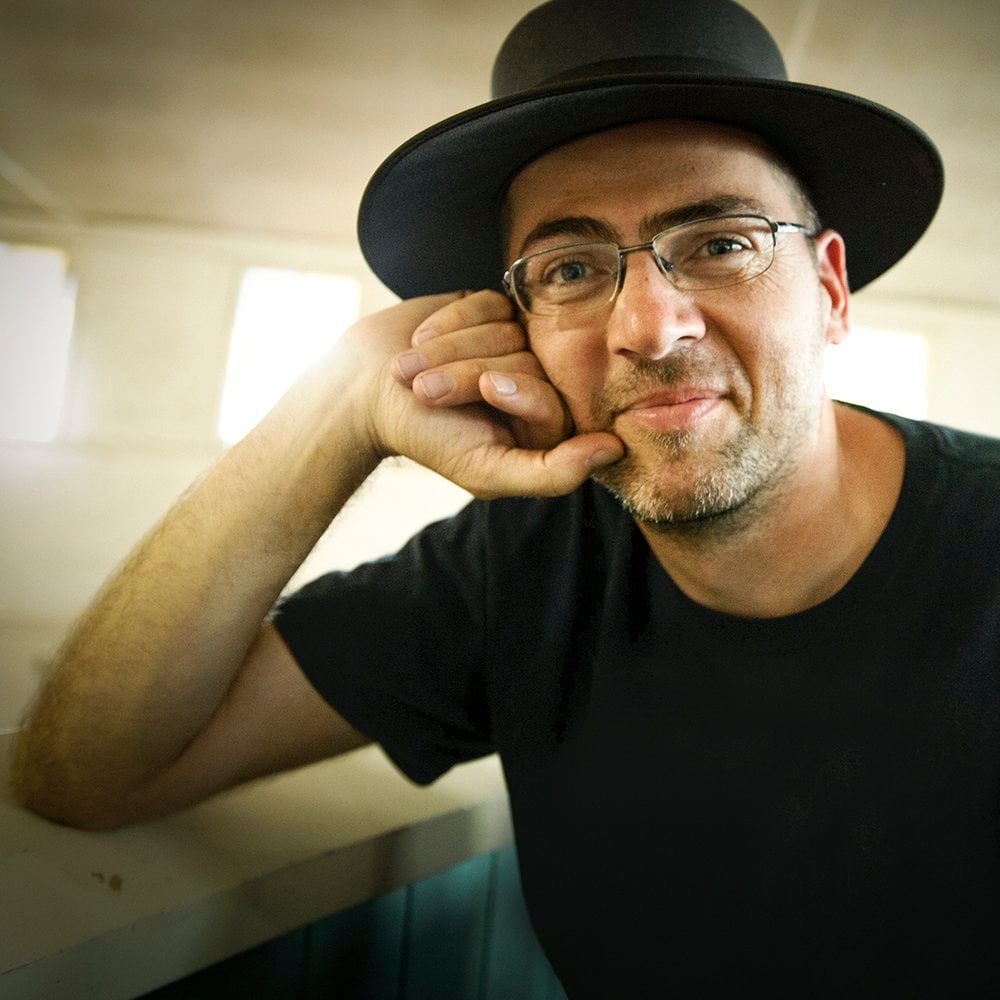
Originally from Canberra, David Lowe is an award-winning film-maker, writer and photographer with particular interests in the environment and politics. He’s known for his campaigning work with Cloudcatcher Media.
 For four decades The Echo has printed the stories some people loved, some people hated, and some pretended not to read. If you want us to keep telling the truth, the real truth, not the sugar-coated version. We’ll need your support to keep the presses rolling.


