


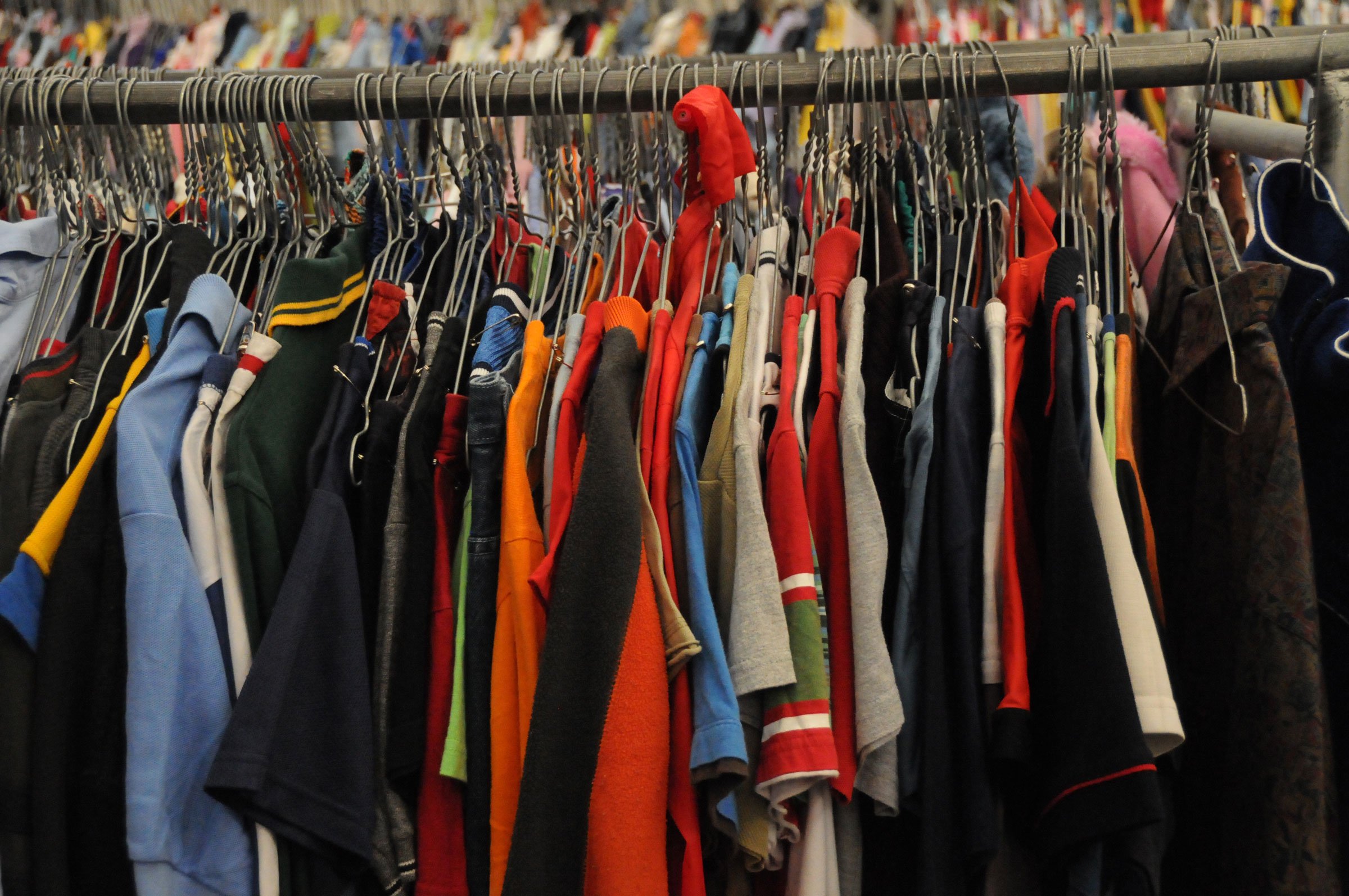
Ballina Shire Council (BSC) has been awarded $34,200 by the NSW Environment Protection Authority (EPA) to facilitate a project that will help divert textile waste from landfill.
The Creating a Circular Clothing project will help deliver innovative local waste and recycling solutions, supporting the state’s transition to a circular economy.
‘It’s fantastic to see BSC awarded funding for their Creating a Circular Clothing Community which will help minimise waste, keep valuable resources out of landfill and drive NSW towards a circular economy,’ said Member for Ballina, Tamara Smith.
‘We know clothing waste is a major pollutant. I will be excited to follow along as this program gets underway.’
This is one of 13 successful projects awarded under round three of the Local Government Waste Solutions (LGWS) Fund program, led by councils and regional waste groups, to share in EPA’s $2.9 million future funding program.
‘I look forward to seeing the exciting opportunities this opens for Ballina communities,’ said Ms Smith.
‘Moving to a circular economy not only protects our environment into the future but also strengthens communities and local economies.’
Next round
Round four of the LGWS fund is planned to open in September 2025. Individual councils, a group of councils, or regional waste groups in the waste levy paying area are eligible to apply. Individual councils can apply for up to $200,000 in funding, and groups of two or more councils can apply for up to $400,000 in funding.
For more information on how to apply for Round 4 visit the EPA Working Together grant site.
‘NSW is on the cusp of a waste crisis with Greater Sydney’s landfill space predicted to run out by 2030,’ said NSW EPA Executive Director of Programs and Innovation, Alexandra Geddes.
‘We need to work with councils and communities to plan for, design and pilot new ways of managing, recovering and reusing waste. This funding aims to tackle local waste and resource recovery challenges by delivering innovative community-specific solutions.
‘Councils and waste groups are at the forefront of managing waste for their communities and they are pivotal to our transition to a circular economy.’
 For four decades The Echo has printed the stories some people loved, some people hated, and some pretended not to read. If you want us to keep telling the truth, the real truth, not the sugar-coated version. We’ll need your support to keep the presses rolling.


