


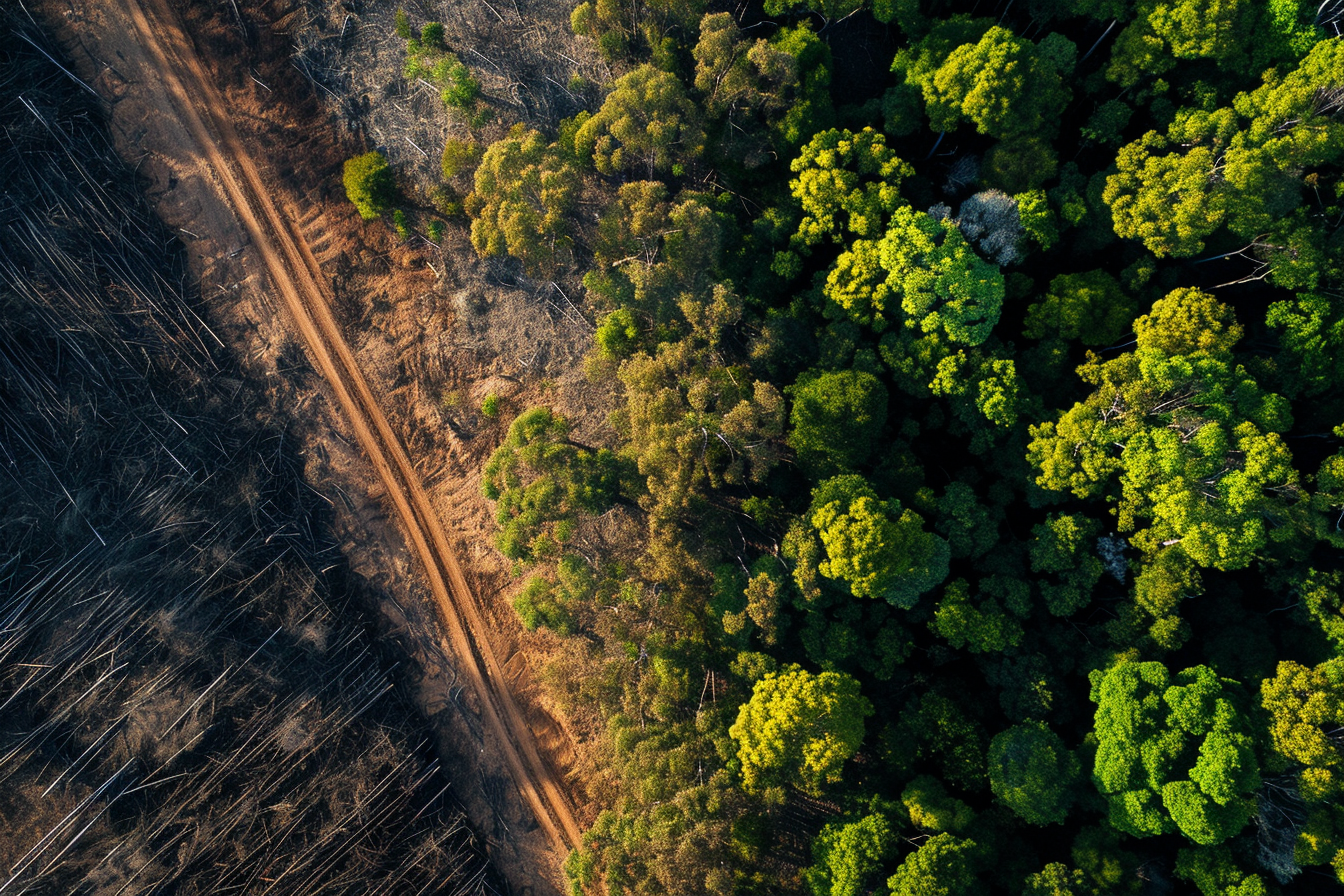
The chainsaws were finally ordered to stop in what remains of the native forests in Western Australia and eastern Victoria on New Year’s Day, throwing into sharp relief the absence of any similar policy in NSW or federally, despite unambiguous economic and scientific arguments.
Both state decisions took place much earlier than expected. In Victoria, the native logging ban was the result of untold person hours of activism at every level, culminating in crucial court cases over the illegal destruction of endangered species, exacerbated by catastrophic bushfires. In WA, the impacts of climate change and increasingly lucrative softwood plantations have forced the change, which hardwood workers say blindsided them. In both cases, the Labor premiers involved are no longer on the political scene.
Conservationists are worried that the decisions are not future or Coalition-proof, with some murkiness around the implementation of the Victorian laws allowing continued logging in the west of the state until new national parks are formalised.
Red not green
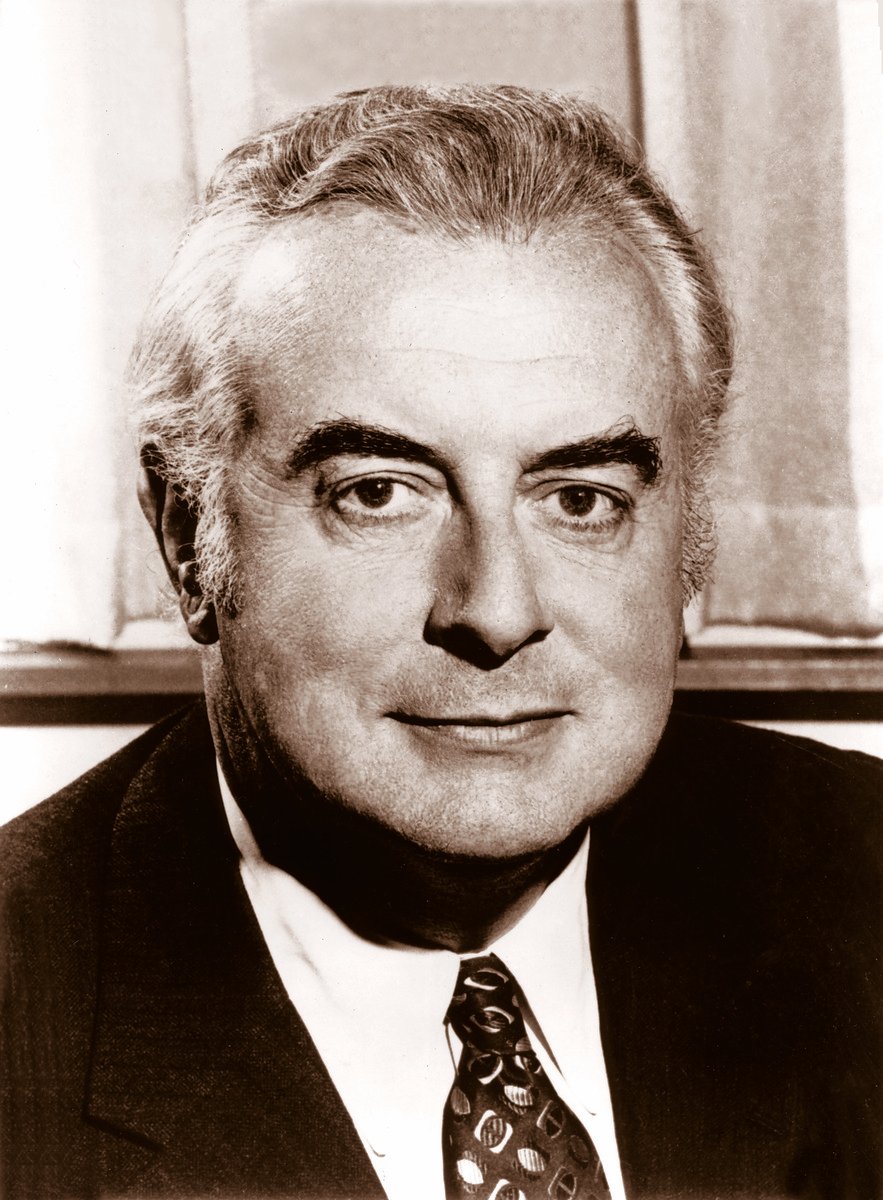
Federally, Labor has always been divided on the issue of native forests, partly because of the influence of the CFMEU, and partly because of its history. The first leader to show much interest in the natural environment was Gough Whitlam, who said in 1970, ‘the Commonwealth should see itself as the curator and not the liquidator of the national estate.’
By forcing the World Heritage issue in the High Court, Prime Minister Bob Hawke helped save the Franklin River, protecting important forests and creating a whole new tourist industry in Tasmania, but he and his government seemed to lose their nerve after Environment Minister Graham Richardson was assaulted by forestry workers in Ravenshoe in 1987, while announcing the protection of the Daintree wet tropics (now a globally significant biodiversity hotspot and a major Queensland job creator).
Hawke’s later promise to plant a billion trees fell into the same basket as the one about no Australian children living in poverty by 1990.
Anxious to separate himself from the Greens, Anthony Albanese lauded Australia’s imaginary ‘sustainable native forestry practices’ at a loggers’ dinner in Canberra in 2022. The sainted Bob Brown has said Albo is effectively backing in John Howard’s 1997 regional forest agreements, which have led to the destruction of thousands of hectares of native forests and their wildlife, and left the Commonwealth liable to compensate the states if it interferes.
Labor had a chance to end native forest logging at their national conference last year, with hundreds of branches (not the woody kind) endorsing the motion from the Labor Environment Action Network, but this was squashed by the executive.

Will the states save the forests then?
Probably not, if the premiers of Tasmania and NSW have anything to do with it. Swift parrot habitat is still being logged in Tasmania, the Tarkine remains threatened and Chris Minns’ promised Great Koala National Park is nowhere in sight while he seeks to protect possible future carbon credits.
Queensland state forests are largely unprotected apart from a corner in the south east, where thousands of trees were downed in recent storms.
The NSW hardwood timber industry ran at a $9m loss in 2021-2022, ballooning to almost ten times that if fire and flood recovery expenses are included. Despite National Party bleating to the contrary, logged forests create a much greater risk of catastrophic bushfire than healthy mature forests. Forests also filter water, regulate rain, create soil, reduce floods and help create the air that we all breathe.
Apart from the impacts on the species that live in them, the economic madness of subsidising forest destruction, and the loss of natural beauty, there are clear climate implications. In NSW alone, native logging currently releases about 3.6 million tonnes of CO2 into the atmosphere each year. Professor David Lindenmayer from the ANU has said ending native forest logging nationally would be the most achievable way for Labor to meet its stated target of 43 per cent reductions in greenhouse gas emissions by 2050.
Closing giant loopholes
Late last year, Victorian Greens Senator Janet Rice introduced a bill to repeal the existing Regional Forest Agreements Act and to amend the Environment Protection and Biodiversity Conservation Act. This was immediately dismissed by Liberal Senator Jonathon Duniam as ‘nothing more than a stunt by the Greens in an attempt to draw attention to their flawed and anti-Australian position on native forestry’.

Senator Rice says her bill is an attempt to end native forest logging in Australia, by closing loopholes in national environmental laws ‘that entire truckloads of logs have been driven through’.
Labor is expected to block these changes, even though PM Albanese has publicly supported Scott Morrison’s earlier signed endorsement of the Glasgow Leaders’ Declaration on Forests and Land Use, which is supposed to halt and reverse forest loss and land degradation by 2030. There is no way this can be achieved with political ‘solutions’ such as offsets.
Sue Higginson is a lifelong forest activist, and now a Greens MLC in the NSW parliament. She says, ‘All the evidence points to the fact we should end logging our small but environmentally very significant public native forest estate immediately. It’s not a matter of if, it’s about when, and the Minns Labor Government knows this.
‘Logging our forests is not sustainable when all the costs of logging these essential public assets are considered. To delay ending logging in NSW and the transition of those workers left in the industry is reckless and political failure.’

Originally from Canberra, David Lowe is an award-winning film-maker, writer and photographer with particular interests in the environment and politics. He’s known for his campaigning work with Cloudcatcher Media.
Long ago, he did work experience in Parliament House with Mungo MacCallum.
 For four decades The Echo has printed the stories some people loved, some people hated, and some pretended not to read. If you want us to keep telling the truth, the real truth, not the sugar-coated version. We’ll need your support to keep the presses rolling.


