



It’s only 117 years since the first passenger flew in a plane. Now flights are so cheap that many people regard flying as a birthright, and any threat to this as something existential. The problem is that the real costs of flying aren’t represented in your airline ticket, even if you click the carbon offsets box.
Because jets burn their fuel so high in the atmosphere, choosing to fly is the most warming choice most humans can make. In terms of CO2 and passenger kilometres, flying in economy class is worse than driving a typical petrol car (first class is twice as bad).
Because the average distances are so much greater, orders of magnitude are involved, with a single return flight from Sydney to London generating more CO2 per average passenger than driving a car for a year, which is itself much worse than greener alternatives.
Most of these long haul flights aren’t to visit dying relatives, or to do something that could be done on Zoom (like attend a climate emergency meeting), but are for holidays.
Since the brief hiatus of COVID, passenger flight numbers have exploded across the world, with an additional 44 million litres of jet fuel being burned each day (four times faster than the previous rate of increase), generating 915 million tonnes of CO2 in 2020. That exceeded the combined yearly emissions of 135 nations.
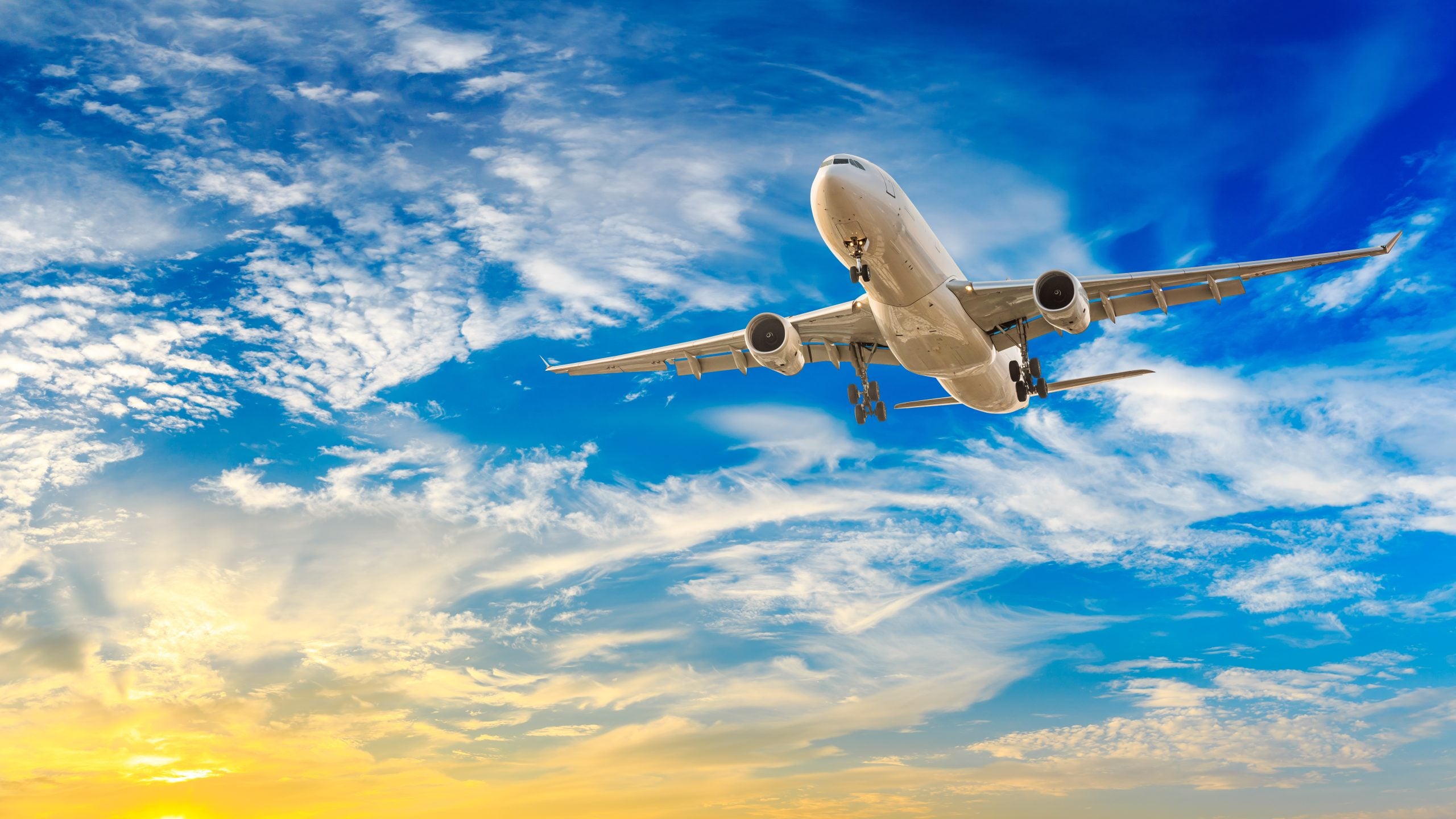
Only ten per cent of the global population currently take regular flights, but passenger numbers are steadily increasing.
Airline fuel efficiency improvements aren’t remotely keeping up, with almost 2 gigatonnes of CO2 expected to be generated by aviation in 2050 if current trends continue.
Beyond carbon dioxide
Other emissions from passenger jets include nitrogen oxides, water vapour, hydrocarbons, sulphur oxides and black carbon. Research has shown that these gases and particles interact in the upper stratosphere and lower stratosphere to further contribute to global warming, either in the short or long term.
IPCC reports have assessed total aviation-caused global heating effects to be three times what they would be considering CO2 alone. The overall warming trend from all this atmospheric pollution is accelerating, with 3.5 per cent of global heating caused by aviation from 1940 until 2018, up to 5.9 per cent in 2018 alone.
The aviation industry has responded to environmental concerns by talking up offsets, alternative fuels and ‘net zero flying’. Sustainable Aviation Fuel (SAF) is an alternative to conventional fossil fuel, produced from things like cooking and plant oils (competing with food needs), algae, agricultural/forestry residues and waste gases. To be truly sustainable, it can’t be created by turning large areas of agricultural or forested land over to fuel production.
Unlike carbon capture, SAF is a real thing, and is already being used by the aviation industry, mostly in the form of blends, although there have been successful test flights using 100 per cent SAF. Unfortunately it’s expensive (currently four times the price of kerosene), and there’s nowhere near enough of it. 100 million litres of the stuff was used globally in 2021. 450 billion litres a year of SAF would be needed by 2050 for the aviation industry to reach net zero.

What about?
Small electric planes exist, but massive advances in battery technology will be required before electrification can be a realistic option for large scale passenger transport.
One of the many ironies of air travel is that global warming is damaging many of the places tourists are flying to visit.
Carbon offsets might give you a warm inner glow, but many of the forests which that money planted have since been burned in bushfires.
Sadly for those who enjoy the magical experience of flight, unless airships return, or you’re that guy flying over the English Channel on a pedal powered plane, air travel is simply not sustainable.
 For four decades The Echo has printed the stories some people loved, some people hated, and some pretended not to read. If you want us to keep telling the truth, the real truth, not the sugar-coated version. We’ll need your support to keep the presses rolling.


