


Hans Lovejoy
The amalgamation of councils has not been ruled out by the NSW government, raising concerns from the state’s peak body that represents local government, Local Government NSW (LGNSW).
Forced amalgamation is a policy that former local government minister and retiring Ballina MP, Don Page, previously rejected for the state’s 152 shire councils.
The policy has proven unpopular in Queensland after the Bligh government in 2008 forcibly amalgamated 157 councils into just 73.
Noosa, and other areas that were part of the Sunshine Coast mega-shire resisted the trend and successfully de-amalgamated following a vote in 2013.
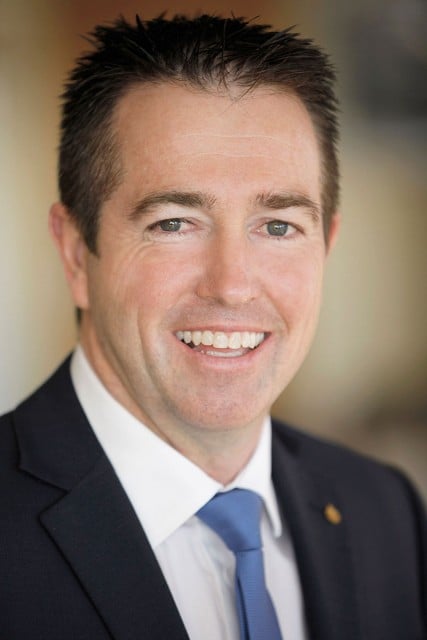
When asked by The Echo if current local minister Paul Toole would force councils to amalgamate after the election, his office refused to acknowledge the question.
Instead, Mr Poole’s spokesperson said that his government had a ‘comprehensive plan’ for local government called ‘Fit for the Future.’
‘We have committed up to $1 billion in financial support to ensure we have strong councils that can deliver the vital services that communities need and deserve. The Fit for the Future package is the most significant investment the state has ever made in the local government sector.
‘The package includes access to a state borrowing facility resulting in savings of up to $600 million to reduce infrastructure backlog; up to $100 million savings through reductions in red tape and duplication; $258 million in incentives to assist councils who decide to merge and make the changes needed to provide better services to communities and $4 million innovation fund to help small rural councils develop innovative ways of working.
‘In stark contrast, Labor has no plan to address the $7.4 billion dollar infrastructure backlog they created over 16 years of neglect. This is a once in a generation opportunity for councils to design their own improvement plan and set their vision for the future in partnership with the state.
‘We have listened and we have delivered. It is up to councils to show how they will become fit for the future.’
Smokescreen
But both LGNSW and Labor are critical of the coalition’s financial plan for councils.
And the office of shadow minister for local government, Sophie Cotsis, says Labor does have a plan to address the infrastructure backlog, ‘most of which is roads.’
Through the ‘smokescreen’ of the Fit for the Future policy, they say ‘the Nationals are threatening councils with forced amalgamations’.
‘Labor will not force councils to amalgamate – we will work in partnership with councils to invest in better services and infrastructure,’ Ms Costis spokesperson says.
‘A Foley Labor government will invest $1 billion in rural and regional roads. These funds will help alleviate the infrastructure backlog many councils face. A Foley Labor government will also stand up to Tony Abbott, who cut $288 million from local councils in NSW in his first budget.’
‘Regarding the Liberals’ claims to be spending $1 billion on councils, this figure is misleading’, they said. ‘$600 million of this is money from “interest savings”, which would only be realised if councils took out significant loans.’
Stealth
It’s a position supported by LGNSW president Cr Keith Rhoades AFSM, who said last September that, ‘$600 million of the incentive package is based on government estimates of councils saving money over a ten-year period if they borrow money from the government.’
Last week Cr Rhoades said, ‘The ‘Fit for the Future’ reform plan requires councils to indicate by June 30 whether they want to stand alone, merge with neighbouring councils or be classified as a rural council.
‘What happens after June 30 is less clear,’ Cr Rhoades said. ‘If councils and communities want to voluntarily merge that’s a great thing and it deserves 100 per cent support. But if communities do not want their council to merge, then that decision should not be forced on them – and it certainly shouldn’t be forced upon them by stealth.’
Cr Rhoades said some LGNSW members had so far indicated they were keen to merge, while others believed they could better serve their communities by standing alone.
‘It’s not an easy decision to make, because there’s the potential for increased efficiencies versus the potential of additional costs – all these things must be taken into account, which is why any amalgamation must be a voluntary choice.’
Cr Rhoades added amalgamations have been unpopular in Western Australia, and local communities were outraged when the Queensland government forced Council amalgamations in 2008.
All NSW Election 2015 Articles
More NSW Election 2015 news and articles
 For four decades The Echo has printed the stories some people loved, some people hated, and some pretended not to read. If you want us to keep telling the truth, the real truth, not the sugar-coated version. We’ll need your support to keep the presses rolling.


