


The Sepik River is the longest river on the island of New Guinea. The majority of the river flows through the Papua New Guinea (PNG) provinces of Sandaun (formerly West Sepik) and East Sepik, with a small section flowing through the Indonesian province of Papua.
The Sepik has a large catchment area, and landforms that include swamplands, tropical rainforests and mountains. Biologically, the river system is often said to be possibly the largest uncontaminated freshwater wetland system in the Asia-Pacific region.
The Frieda River Mine
The Frieda River Mine is a venture of Chinese state-owned enterprise PanAust, a former Australian company that is still headquartered in Brisbane. The mining project is located in Papua New Guinea’s West and East Sepik Provinces with reserves estimated at 13 million tonnes of copper and 21 million tonnes ofT gold. The project consists of an open cut mine and associated infrastructure, including a hydro-electric plant and an integrated tailings storage facility.
If approved, the Frieda River Mine could severely damage the important Papua New Guinean river system, and with it the 400,000 Indigenous people whose lives and livelihoods depend on it.
Project Sepik
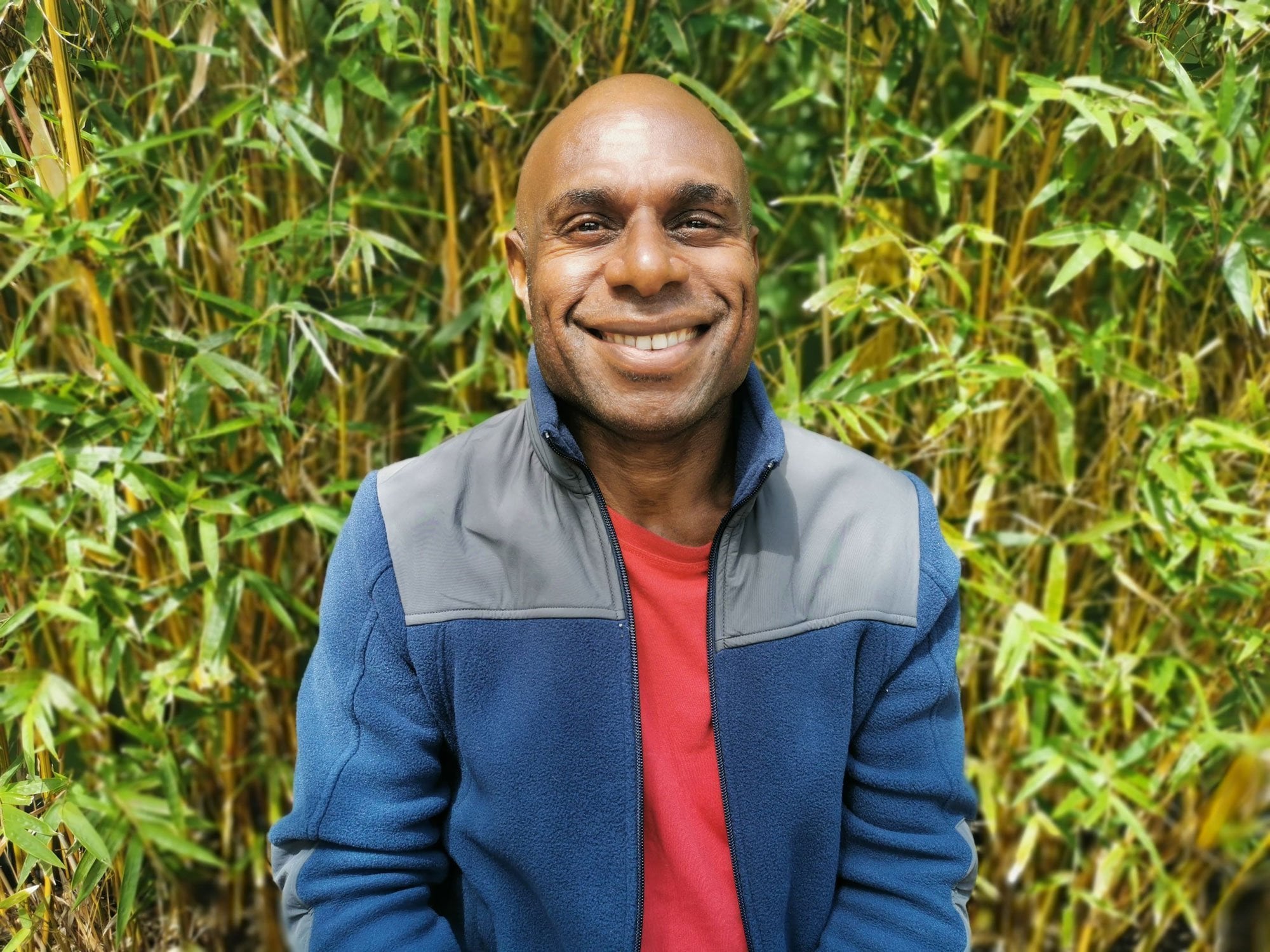
As a response to the proposed mine, Emmanuel Peni, together with some of his colleagues, started the PNG-based community group Project Sepik. Emmanuel leads the planning of local awareness activities, reporting to communities and advocating on behalf of his people. Significantly, he and his team, together with Avisak Students’ Association from the University of PNG gathered more than 6,000 signatures from river-dwelling communities located near the mine, which became the base for newspaper coverage in PNG.
Peni, who is a master storyteller and author of acclaimed PNG novel Sibona has been brought to Australia by Aid/Watch, Jubilee Australia and the Northern Rivers Folk Choir. These groups have collaborated with Project Sepik to bring Peni out for a speaking tour of Sydney, Melbourne, Brisbane and Northern NSW. The aim of the tour is to raise awareness, build solidarity and highlight the growing opposition to the proposed Frieda River Mine in Papua New Guinea, due to environmental and social concerns.
The lack of Free Prior and Informed Consent
One of the main concerns raised by Project Sepik is the lack of Free Prior and Informed Consent, and how Indigenous self-determined development has been largely ignored. The awareness tour of villages on the Upper Sepik in October 2018 helped to; determine what impacts that the people living in the villages of the Upper Sepik had observed on their local environment already; ascertain the attitude of each village toward the planned Frieda River Mine; and to share the concerns about the impacts that the mine might have on the Sepik. The overall finding from the awareness tour was that all the villages visited registered opposition to the Frieda River Mine going ahead.
Furthermore, there are major environmental risks associated with copper and gold mines such as the proposed Frieda River Mine. These risks include, but are not limited to: damage due to increased discharges into the river, damage due to pollution; which can result even at low discharges, and damage to the river system from an increase in the number of large vessels operating on the river.
The biggest challenge
The biggest challenge that the Frieda River Mine project faces, related to these risks, is how to build and house an effective and safe tailings storage facility. The most notorious environmental catastrophe in PNG is BHP’s Ok Tedi mine in Western Province after a collapse of the project’s tailings facility in 1984. Around 880 million tonnes of mine waste was released into the rivers between 1981 and 1998, rising to an estimated 2 billion tonnes over the life of the mine. The environmental and human-rights disaster not only killed fish populations, but smothered gardening lands and forests with mud and effectively destroyed the social, economic and cultural connections of the tens of thousands of Indigenous communities living along that river system.
In light of the Ok Tedi disaster and the recent mine tailings dam disasters in Brazil (Samarco, in 2015 and Brumadinho, in 2019) that left hundreds of people dead, Project Sepik and the peoples of the Sepik River Basin have very realistic concerns about tailings failures, especially in light of very little detail coming from the company about how it plans to prevent the problem.
You are invited to a feast of stories, songs and Melanesian sweets. Be enchanted by funny and rich tales of life in PNG and the Sepik region. Thursday 24 October, 6.30pm at the Mullumbimby Uniting Church. This is a free event.
 For four decades The Echo has printed the stories some people loved, some people hated, and some pretended not to read. If you want us to keep telling the truth, the real truth, not the sugar-coated version. We’ll need your support to keep the presses rolling.


