



So many people are doing what they can to help those medical staff working daily with people who have contracted coronavirus.
Local woman Leisa Mcilwain has been donating her spare time to make nurses caps.
Mcilwain says she was asked by a friend who works at Tweed Hospital to help out as she knew there was a group of people who had sewn pouches for fire-affected wildlife. ‘My friend told me about a post on Murwillumbah Matters Facebook group so I contacted the lady who posted the request for help.
‘I had offcuts of 100% cotton from a product I used to make but I couldn’t print the pattern I was sent.’
Mcilwain said the hat pattern was a pretty simple thing made complicated in the instructions, so she YouTubed a few different designs and made up her own pattern that worked.
Hats are sanitised and distributed to nurses
‘I passed on the pattern to a few people via email. I’m not sure how many have been made overall as the coordinator for this project has been busy herself working as a nurse. People have been dropping them off to nurses they know who are going to Tweed so they can be sanitised and distributed.’
Mcilwain, whose ‘day job’ is in aged care, has made about 120 caps and has heard of people making anywhere from four to 50 hats. ‘I put a call out for fabric but haven’t been able to coordinate that as yet and I’m waiting to hear how many more they need. A rough estimation of people sewing caps would be around maybe 80.’
This has really confirmed the need for Australian manufacturing to once again be the norm instead of taking the manufacturing overseas which has been happening since the late 80s
Mcilwain says that when they were sewing the pouches for animals, people were able to get together and cut and sew bulk amounts but that couldn’t happen this time for obvious reasons. ‘I had been waiting for sewing projects to come up as I am a member of lots of different Facebook sewing groups all over the world. I have been keeping an eye on the US who have been making masks and scrubs for hospitals for many weeks.

‘This has really confirmed the need for Australian manufacturing to once again be the norm instead of taking the manufacturing overseas which has been happening since the late 80s. I was a production sewer at 17 but by the time I was 25, sewing contracts were so hard to come by. I remember Berlei bras shutting their doors and all those wonderful sewers losing their jobs.
‘I remember many clothing manufacturers in this area when I was starting out and within a few years all had shut their operations down. Some evolved, did their own ranges, sold through markets. Some created lines for Big W and the like only to be priced out of the market by China and India.’
The army helping sewers
Mcilwain says she was happy to hear that the army had been sent in to assist our only medical mask manufacturers in Shepparton but still they had trouble getting the materials to sew and staff with knowledge on how to operate the machines.
‘This situation has truly highlighted how bad things had become for Australian manufacturing.
I have simply responded to a need, as have many others, to help those who help us and that is how we operate not only in Australia but worldwide
‘I have simply responded to a need, as have many others, to help those who help us and that is how we operate not only in Australia but worldwide.
‘There are a lot of community projects making a difference all over the world, so many ingenious humans working for the greater good and in this time especially needed. It makes me feel like I can still contribute my skills in a positive way no matter the circumstances, everything is workable somehow.
‘I sort of feel like I have been in training for this my whole life. I’m also happy that my fabric addiction was able to be of use!’
For more information on how to make caps or to donate fabric, you can email Leisa: [email protected].
Recent stories, information and updates regarding COVID-19

COVID-19 reduces Australian life expectancy
New data from the Australian Bureau of Statistics Life shows life expectancy in Australia has decreased slightly for the second year in a row.
Wuhan market increasingly likely origin point for COVID-19
An international team of researchers has found more evidence that COVID-19 came from animals in a Wuhan food market.

Editorial – There’s a bat in my lab!
The lab-leak theory that Covid-19 came from the Wuhan Institute of Virology – instead of a nearby wet market – was thrashed about in public recently, with the US Senate Homeland Security Committee holding a hearing into Covid-19.
Fresh air federal funds for Northern Rivers schools in need
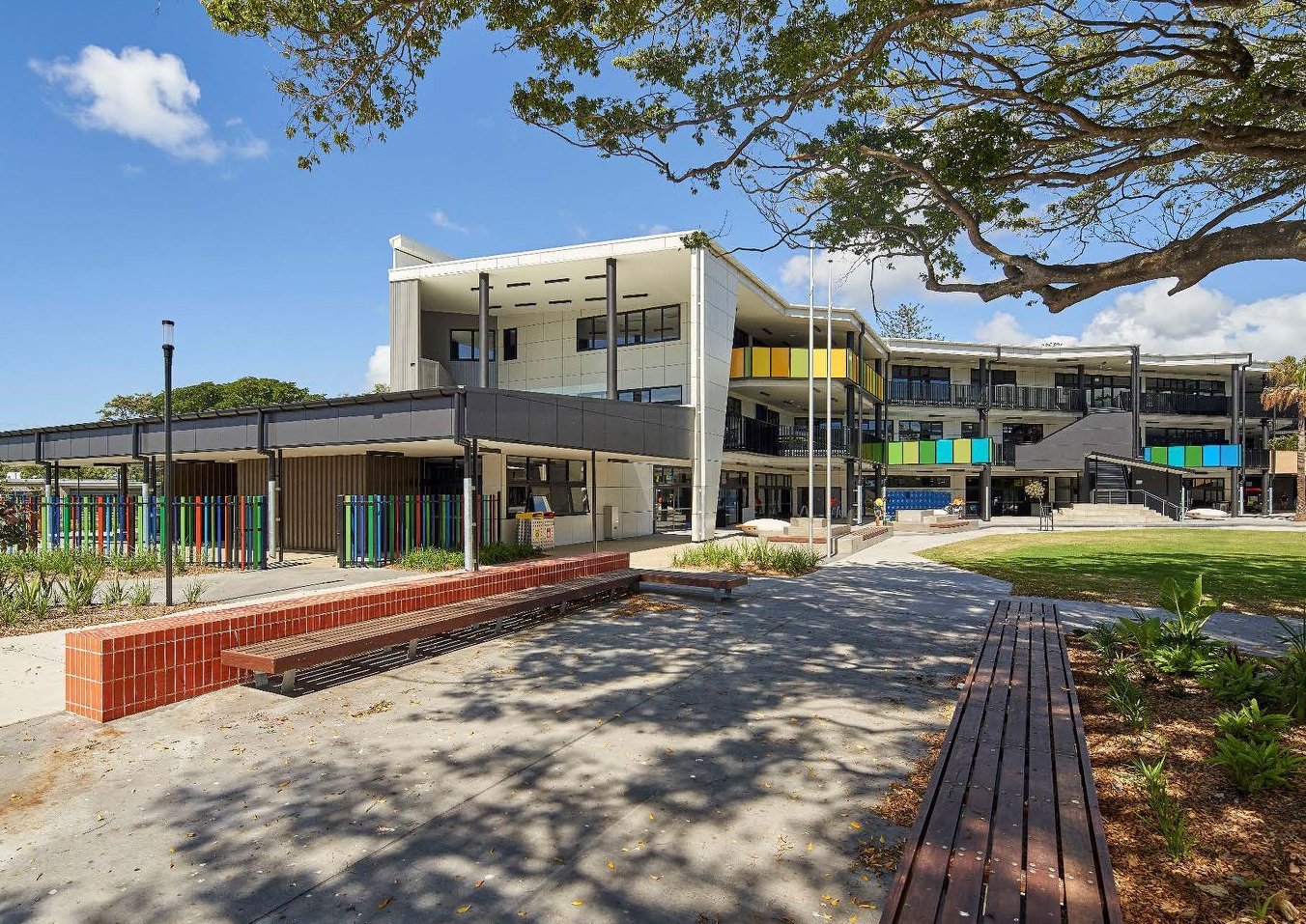
Eighteen schools in the Northern Rivers division of Richmond have received $25,000 each as part of the federal government’s School Upgrade Fund, Labor Member for Richmond Justine Elliot said last week.

COVID-19 pandemic has cut life expectancy globally
COVID-19 reversed earlier trends toward longer life expectancies. During the pandemic, life expectancies globally dropped by 1.6 years according to a new study published in the Lancet medical journal.
COVID-19 update for New South Wales
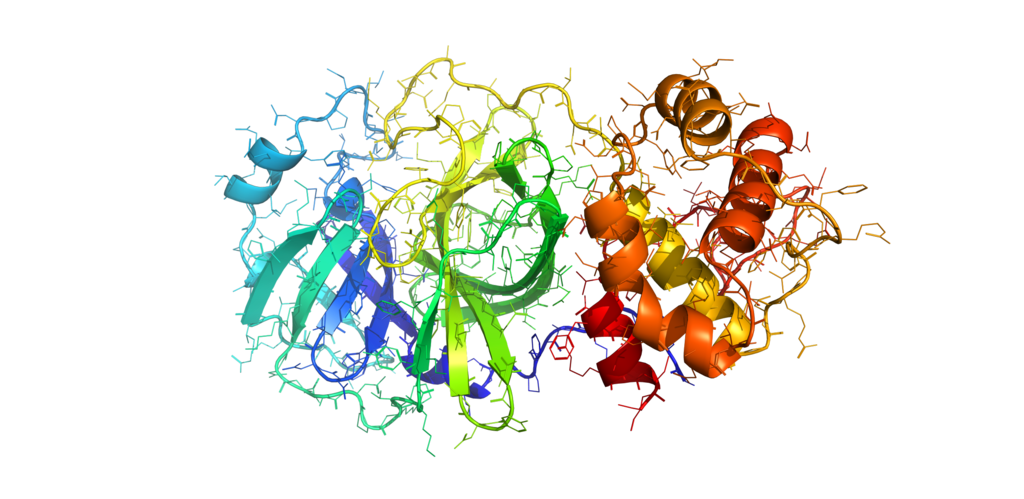
Let’s not forget that Covid-19 is still a big issue in our community with 31,935 cases reported across Australia in the last week – an average of 4,562 cases per day.
Five graphs you need to see before the Global Carbon Budget...
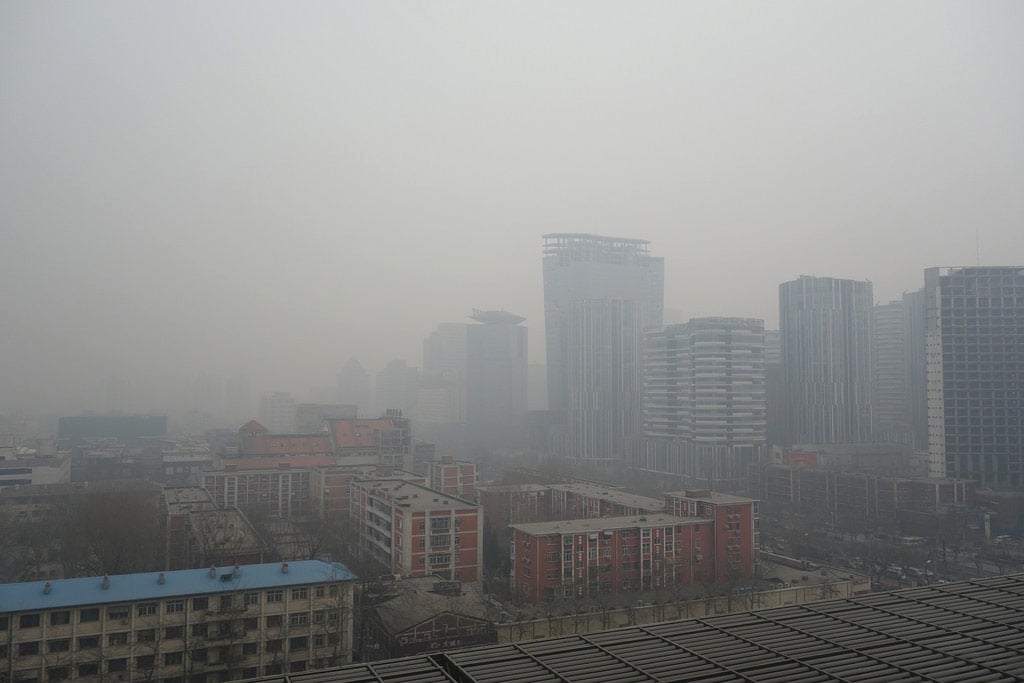
The Global Carbon Budget is about to be refreshed, giving the world a critical insight into how efforts to reduce greenhouse gas emissions are (or are not) progressing.
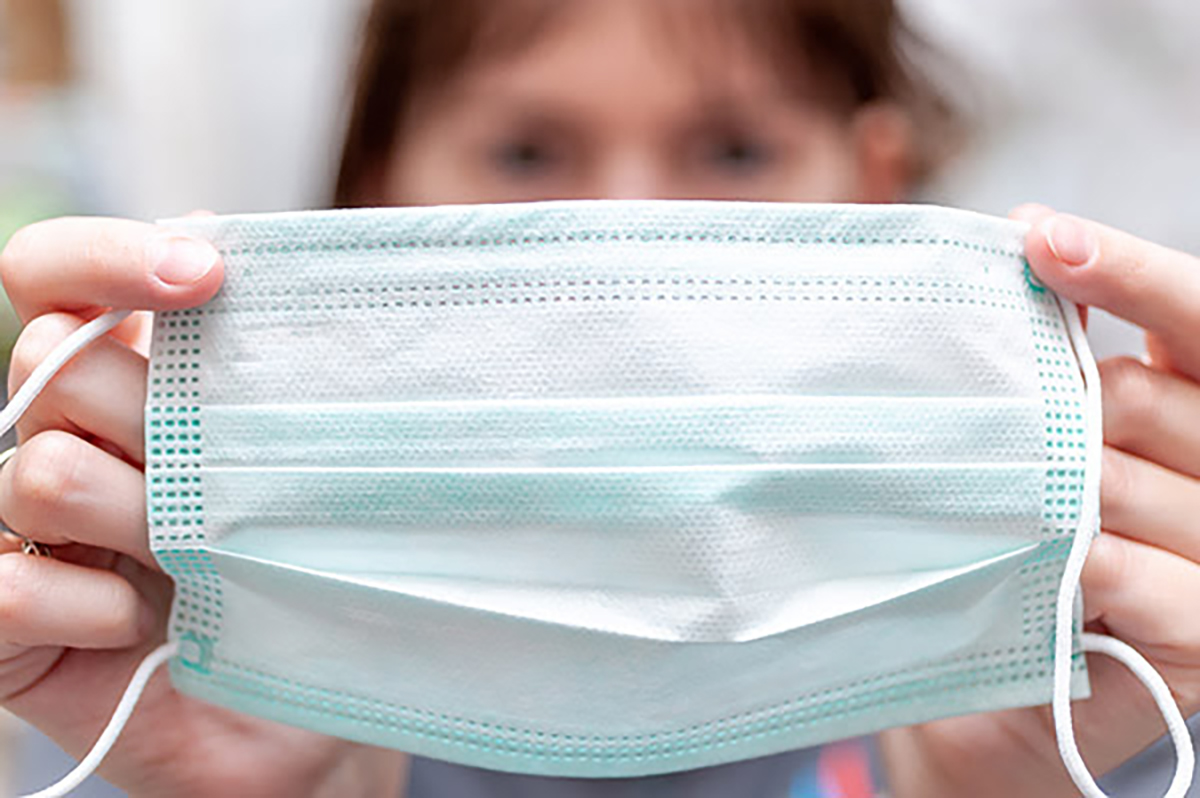
Public transport mask mandate to end
Masks will no longer be mandatory on public transport from tomorrow, Wednesday 21 September.
 For four decades The Echo has printed the stories some people loved, some people hated, and some pretended not to read. If you want us to keep telling the truth, the real truth, not the sugar-coated version. We’ll need your support to keep the presses rolling.


