


The brutal reality is that we’re facing global biospheric collapse, with little or no prospect of reprieve. This is the existential consequence of a system hellbent on greed, overshoot and suicidal levels of greenhouse gas emissions. Geoengineering, nuclear power, ‘clean energy’ and other manifestations of magical thinking are unlikely to get us out of this mess. Baseless hope and despair will only make matters worse.
So how do we live in the midst of all this? Truth told; no-one really knows what the future holds. But we do have some clues in the nature, pace and scale of extreme weather events and the response of communities and powerful agencies to them. Obviously, the full range of climactic changes will play out differently across the world, with poorer and less carbon-emitting nations the most at risk.
We can’t wish this away. It’s the emergent reality we need to consider, so that we can respond rather than simply react. The current government keeps the full ghastly consequences of ‘climate change’ under wraps. I’m not making this up: a major report by the Office of National Intelligence is deliberately being kept from public view.

Loss of freedoms?
Faced with economic chaos, food and water shortages, civil disorder and the rest, we’re likely to see powerful agencies encroach even further on our rights and freedoms. Barriers are already being erected to stop and/or regulate the flow of populations, especially those seeking refuge in richer nations.
We are, in author James Bradley’s phrase, being ‘unearthed’. So, we need to talk – urgently. We need to talk about how each of us can make sense of what’s going on around us, and how and why we need stronger and more resilient, connected, civic-minded communities.
We need to reflect too on how we might overcome the blockages of a grief-phobic culture, rethink our interior worlds and address those big metaphysical questions. Indigenous ancestral knowledge can offer us many important insights. We’ll find few answers in modernism, the enlightenment or cannibal capitalism – the very sources of our current predicament.
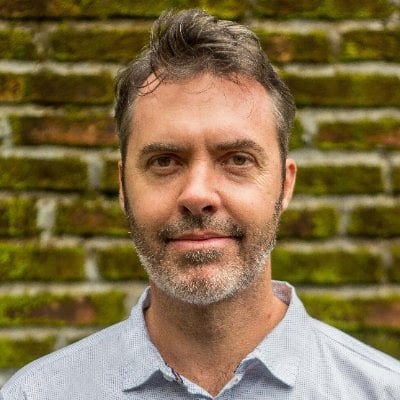
Celebrated academic, activist and advocate, Jem Bendell, has pondered this stuff. His latest book, Breaking Together: A Freedom-loving Response to Collapse, speaks of the ‘imperial modernist’ mindset that has led us to the existential brink. ‘The truth’, he says, ‘is that we live in a hydrocarbon civilisation which is coming to an end’.
But there’s no new nirvana, at least not the one promised by clean energy advocates. Why? Because, ‘the very renewable energy future that we are being told will save us from fossil fuels is currently itself utterly dependent upon fossil fuels’.
The hungry ghosts of late capitalism will not be sated. We are staring into an abyss. But Bendell believes that, ‘looking into the abyss is helpful to better work out why this is happening and what can still be done to reduce harm… it’s worth remembering that we aren’t in imminent danger. There is no need for a panicked response. We have some years ahead of us. But that doesn’t mean we can get out of this. I think we won’t’.
We can no longer avoid collapse. Bendell rails against those who urge us, ‘to postpone our grieving and reassessment of how we want to live in a collapsing society’. In effect, he is inviting us to lovingly face up to the unfolding realities of environmental breakdown, ‘by allowing the breakdowns in our privileges, comforts, worldviews and identities, to allow a new openness for connection with people, nature and even the eternal’.
Personally, I can think of few people who can speak with more eloquence, authority and insight about our current predicament than Jem Bendell.
Professor Jem Bendell will be interviewed by filmmaker Michael Shaw on Saturday, 9 March, 6.30-8.00pm at Marvell Hall, 37 Marvell Street, Byron Bay. To book go to: www.trybooking.com/CPERS.
 For four decades The Echo has printed the stories some people loved, some people hated, and some pretended not to read. If you want us to keep telling the truth, the real truth, not the sugar-coated version. We’ll need your support to keep the presses rolling.


