


Save Wallum has abandoned plans to appeal the Federal Court’s dismissal of its bid to protect the Brunswick Heads development site, but says the community campaign will continue through other avenues.

The group says the prospect of another year of litigation, substantial financial risks and its inability to stop works while an appeal was heard made further court action untenable.
Clarence Property has wasted no time in clearing vegetation following the recent Federal Court and NSW Land and Environment Court decisions, with slashers and mulchers operating across parts of the heathland as Stage 1 works proceed.
‘The Save Wallum Federal Court proceedings have ended, the community’s efforts to protect Wallum have not,’ the Save Wallum Team said in a statement.
The group says philanthropic efforts are being explored that could offer another pathway towards permanently protecting some of the site’s rare trees and surrounding ecosystem.
Those initiatives remain at an early stage, with no details of a protection arrangement announced.

‘The community’s commitment to Wallum continues. Save Wallum will keep pursuing opportunities to protect this special place and pressing for transparency, accountability and compliance with the development’s approval conditions,’ the team said.
Federal Court Justice Melissa Perry dismissed the group’s application for a permanent injunction on September 7.
The case concerned whether the approved development was likely to significantly affect threatened species protected under federal environmental law. The Court found Save Wallum had not established that threshold.
On September 16, Justice Kennett dismissed a further application to maintain an interim injunction while the group explored an appeal. Save Wallum says its subsequent attempt to stop works in the NSW Land and Environment Court was also unsuccessful.
The approved housing development at 15 Torakina Road includes 124 residential lots and three medium-density lots.
The team said it had spent the past four weeks obtaining further legal advice, examining possible appeal grounds and assessing the legal and financial risks.
Approximately $30,000 had been spent on that work, while substantial legal and court-related costs from the Federal Court proceedings remained outstanding.
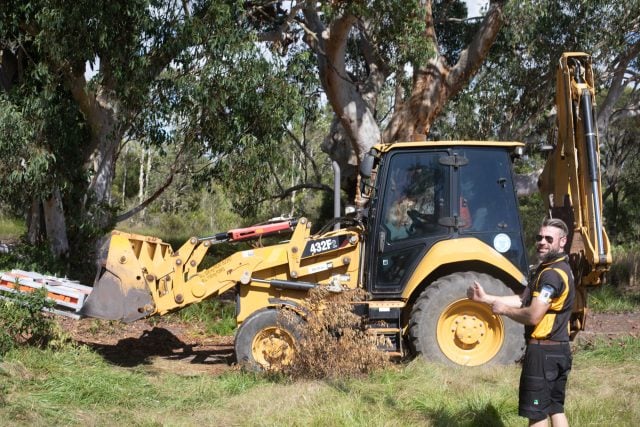
An appeal could take up to 12 months, the group said, during which development could progress towards further clearing.
Without an injunction, it feared the habitat it was seeking to protect could be lost before an appeal was determined.
‘We’re not spending another year and potentially enormous sums pursuing a legal avenue that may come too late,’ the team said.
The campaigners described watching machinery destroy what they say is endangered frog habitat and wildflowers currently in bloom.
They also continue to question compliance with approval conditions, including requirements for a riparian buffer along the site’s central watercourse and the provision of public reserve land.
The team thanked the thousands of people who had donated, volunteered and supported the campaign over more than three years, saying that support had enabled sustained legal action and brought public attention to what was at stake.
‘So our story is not over, and neither are the stories of future environmental activism that will grow from what has happened here.’
 For four decades The Echo has printed the stories some people loved, some people hated, and some pretended not to read. If you want us to keep telling the truth, the real truth, not the sugar-coated version. We’ll need your support to keep the presses rolling.


