


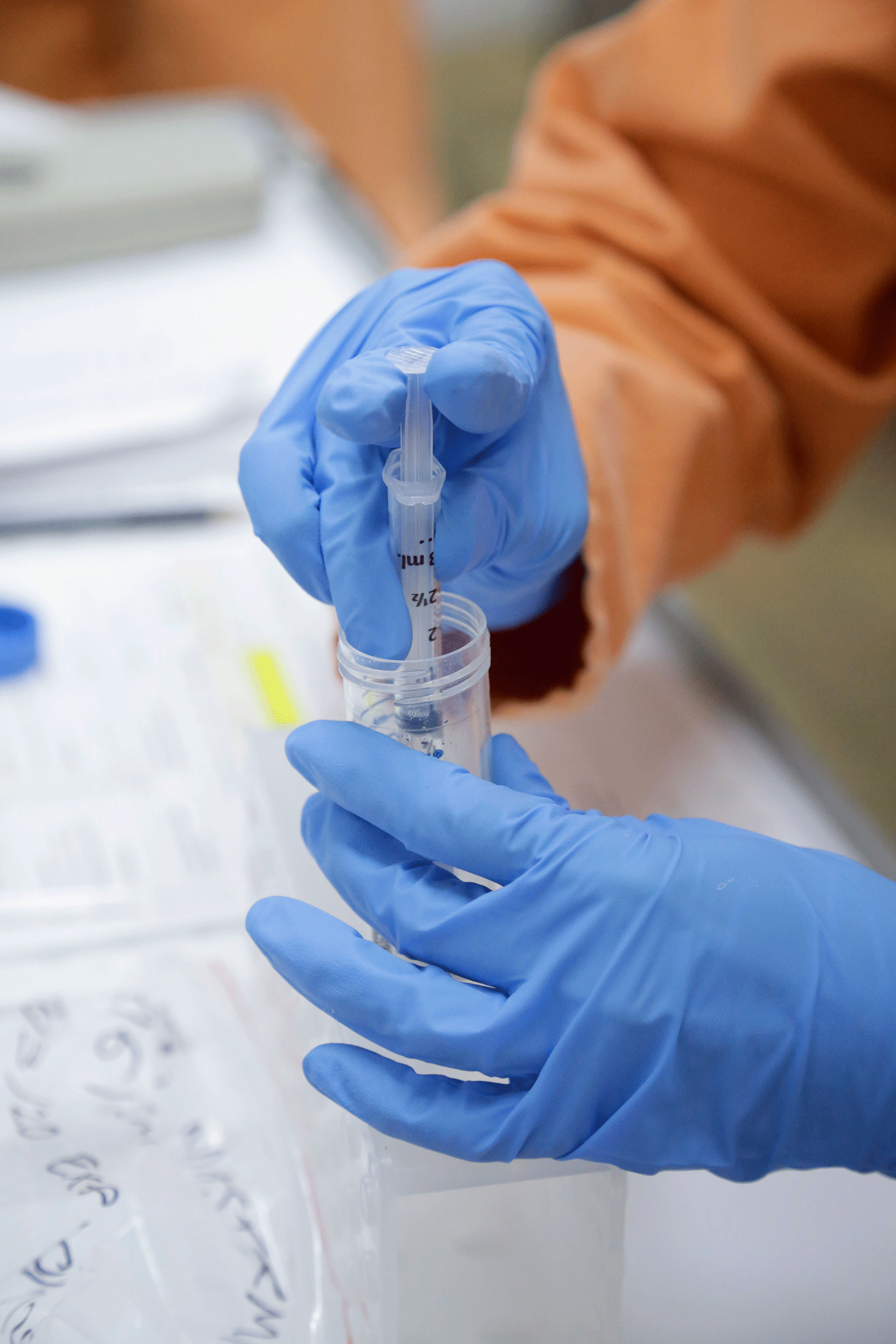
Australia’s CSIRO is at the forefront of vaccine testing for COVID-19 and have commenced their first stage of testing.
Last year the CSIRO had partnered with the Coalition for Epidemic Preparedness Innovations (CEPI), a global group that aims to derail epidemics by speeding up the development of vaccines. The aim is to derail epidemics by speeding up the development of vaccines.
In January, CEPI engaged CSIRO to start working on the virus SARS CoV-2, which causes the disease COVID-19. In consultation with the World Health Organisation, CEPI has identified vaccine candidates from The University of Oxford (UK) and Inovio Pharmaceuticals Inc (US) to undergo the first pre-clinical trials at CSIRO, with further candidates likely to follow.
‘Beginning vaccine candidate testing at CSIRO is a critical milestone in the fight against COVID-19, made possible by collaboration both within Australia and across the globe,’ CSIRO Chief Executive, Dr Larry Marshall said.
CSIRO was the first research organisation outside of China to generate sufficient stock of the virus —using the virus strain isolated by the Doherty Institute — to enable pre-clinical studies and research on COVID-19.

Testing underway
The testing is underway at CSIRO’s high-containment biosecurity facility, the Australian Animal Health Laboratory (AAHL) in Geelong. The latest milestone builds on CSIRO’s growing work to tackle COVID-19, which has included scaling up other potential vaccine candidates at its biologics production facility in Melbourne.
CSIRO researchers confirmed, after studying SARS CoV-2’s genomic sequence that the virus is presently changing into a number of distinct ‘clusters’ and are now starting to look at how this may also impact on the development of a vaccine.

Delivery
CSIRO is testing the COVID-19 vaccine candidates for efficacy, but also evaluating the best way to give the vaccine for better protection, including an intra-muscular injection and innovative approaches like a nasal spray.
‘We are carefully balancing operating at speed with the critical need for safety in response to this global public health emergency,’ said Professor Trevor Drew OBE, director of AAHL and leading CSIRO’s COVID-19 virus and vaccine work.
CSIRO has a long history of developing and testing vaccines since the opening of the AAHL in 1985. It is the only high biocontainment facility in the southern hemisphere working with highly dangerous and exotic pathogens, including diseases that transfer from animals to people.
‘In 2016 CSIRO created the Health and Biosecurity research group who work with our scientists at AAHL to tackle our national and international health and biosecurity challenges together, so we can better protect the health of our people, environment, agriculture and industries and our way of life,’ Dr Marshall said.
‘This, combined with our data science and manufacturing capability in our biological production facility, means we were well prepared to help Australia in One Health with disease identification, prevention and management, to deliver the real world solutions that our nation expects from science.’
For more information on CSIRO’s COVID-19 work, visit: CSIRO COVID-19.
Recent stories, information and updates regarding COVID-19

COVID-19 reduces Australian life expectancy
New data from the Australian Bureau of Statistics Life shows life expectancy in Australia has decreased slightly for the second year in a row.
Wuhan market increasingly likely origin point for COVID-19
An international team of researchers has found more evidence that COVID-19 came from animals in a Wuhan food market.

Editorial – There’s a bat in my lab!
The lab-leak theory that Covid-19 came from the Wuhan Institute of Virology – instead of a nearby wet market – was thrashed about in public recently, with the US Senate Homeland Security Committee holding a hearing into Covid-19.
Fresh air federal funds for Northern Rivers schools in need
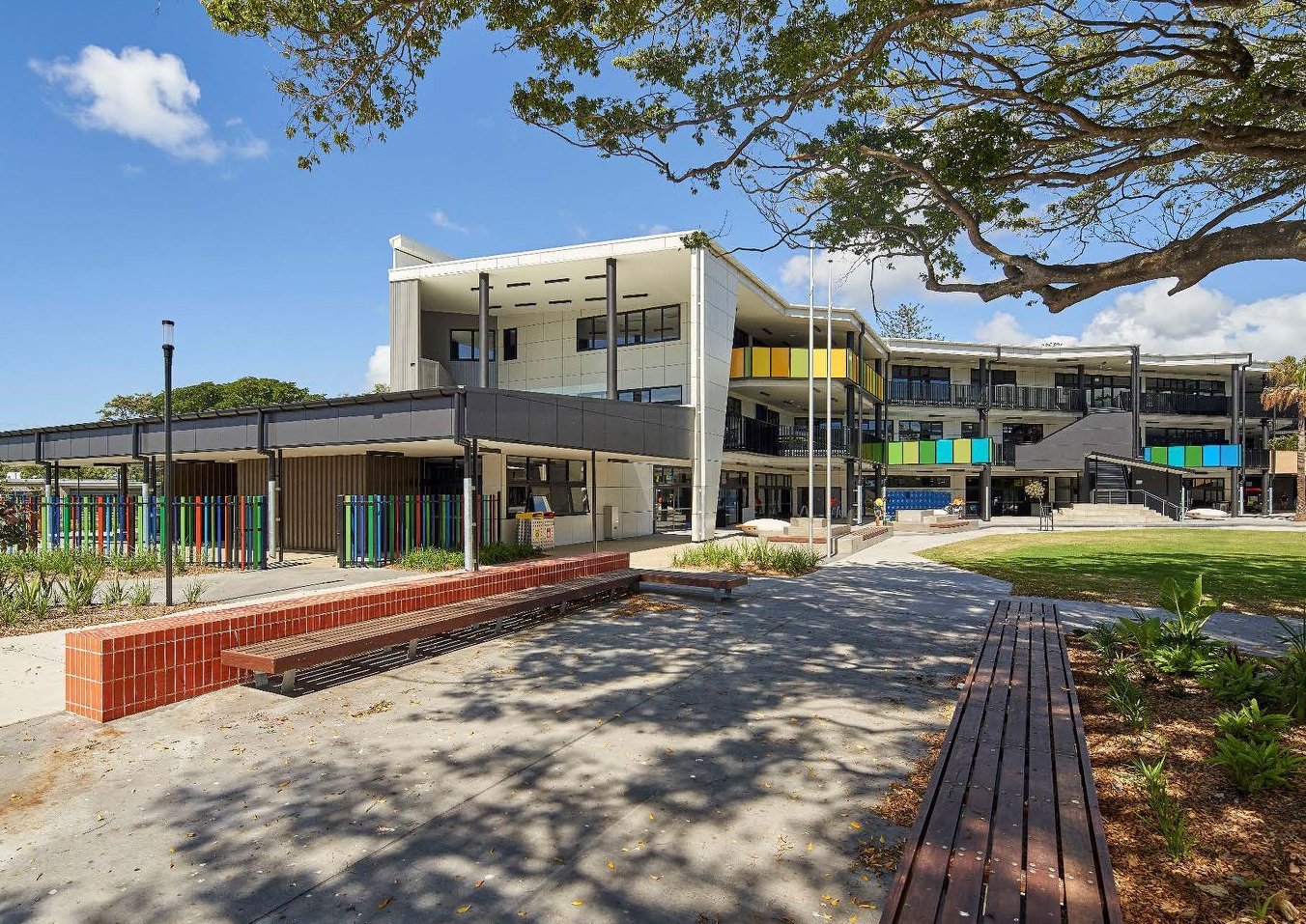
Eighteen schools in the Northern Rivers division of Richmond have received $25,000 each as part of the federal government’s School Upgrade Fund, Labor Member for Richmond Justine Elliot said last week.

COVID-19 pandemic has cut life expectancy globally
COVID-19 reversed earlier trends toward longer life expectancies. During the pandemic, life expectancies globally dropped by 1.6 years according to a new study published in the Lancet medical journal.
COVID-19 update for New South Wales
Let’s not forget that Covid-19 is still a big issue in our community with 31,935 cases reported across Australia in the last week – an average of 4,562 cases per day.
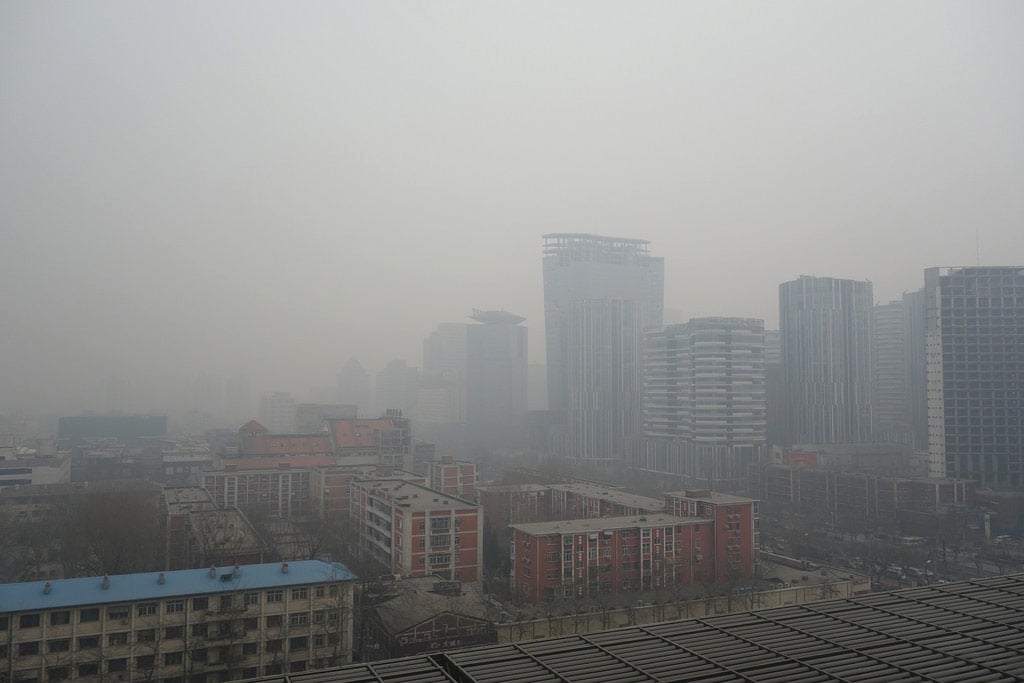
Five graphs you need to see before the Global Carbon Budget...
The Global Carbon Budget is about to be refreshed, giving the world a critical insight into how efforts to reduce greenhouse gas emissions are (or are not) progressing.
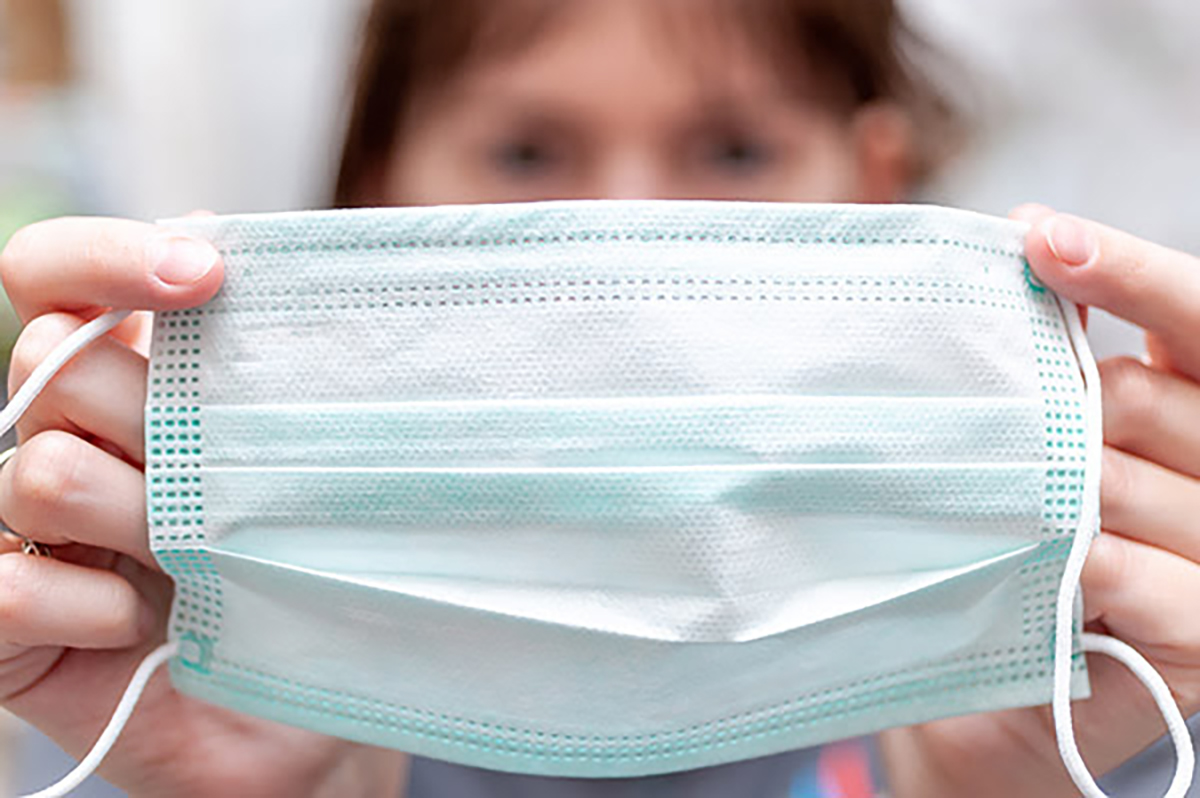
Public transport mask mandate to end
Masks will no longer be mandatory on public transport from tomorrow, Wednesday 21 September.
 For four decades The Echo has printed the stories some people loved, some people hated, and some pretended not to read. If you want us to keep telling the truth, the real truth, not the sugar-coated version. We’ll need your support to keep the presses rolling.


