


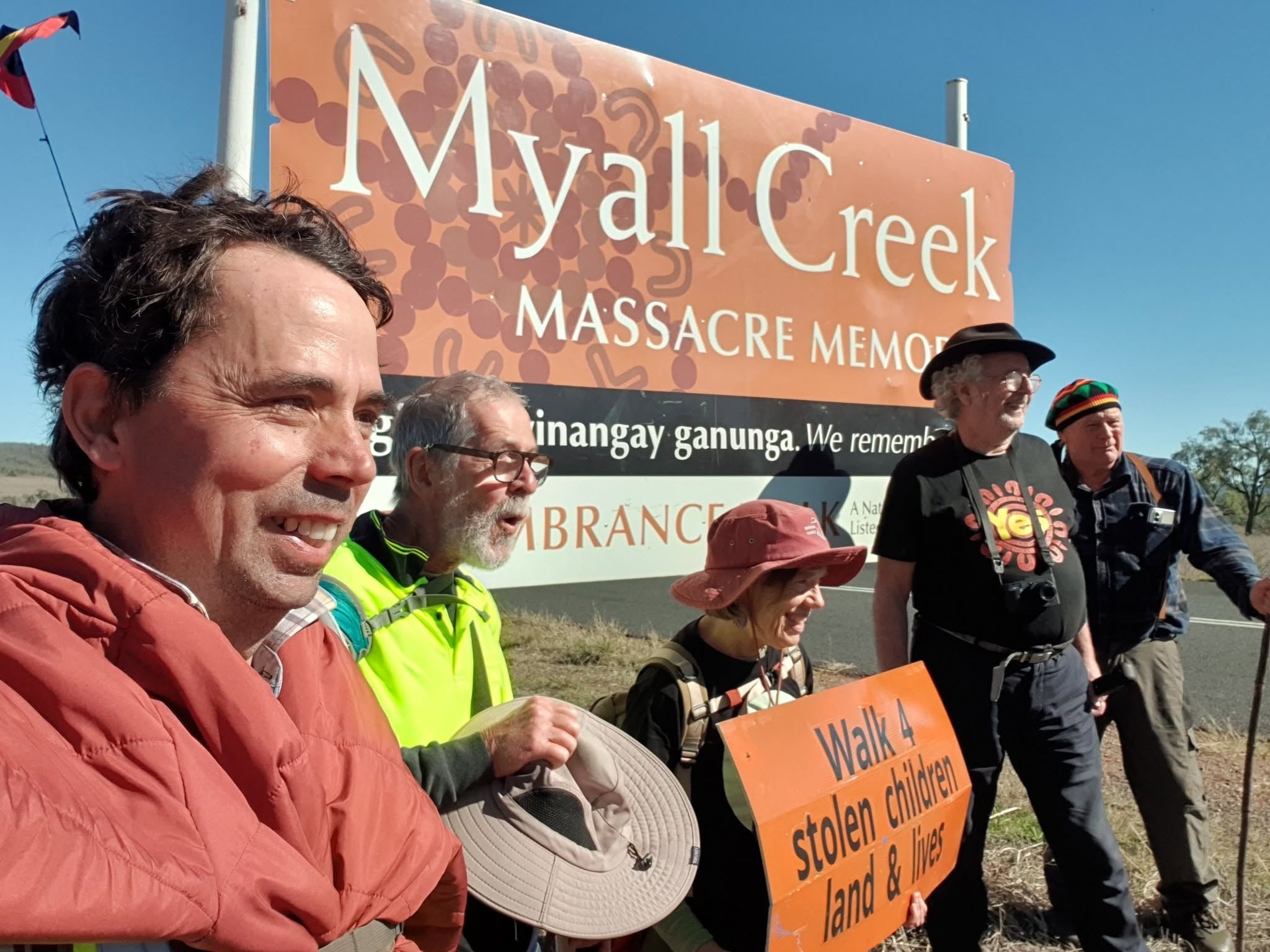
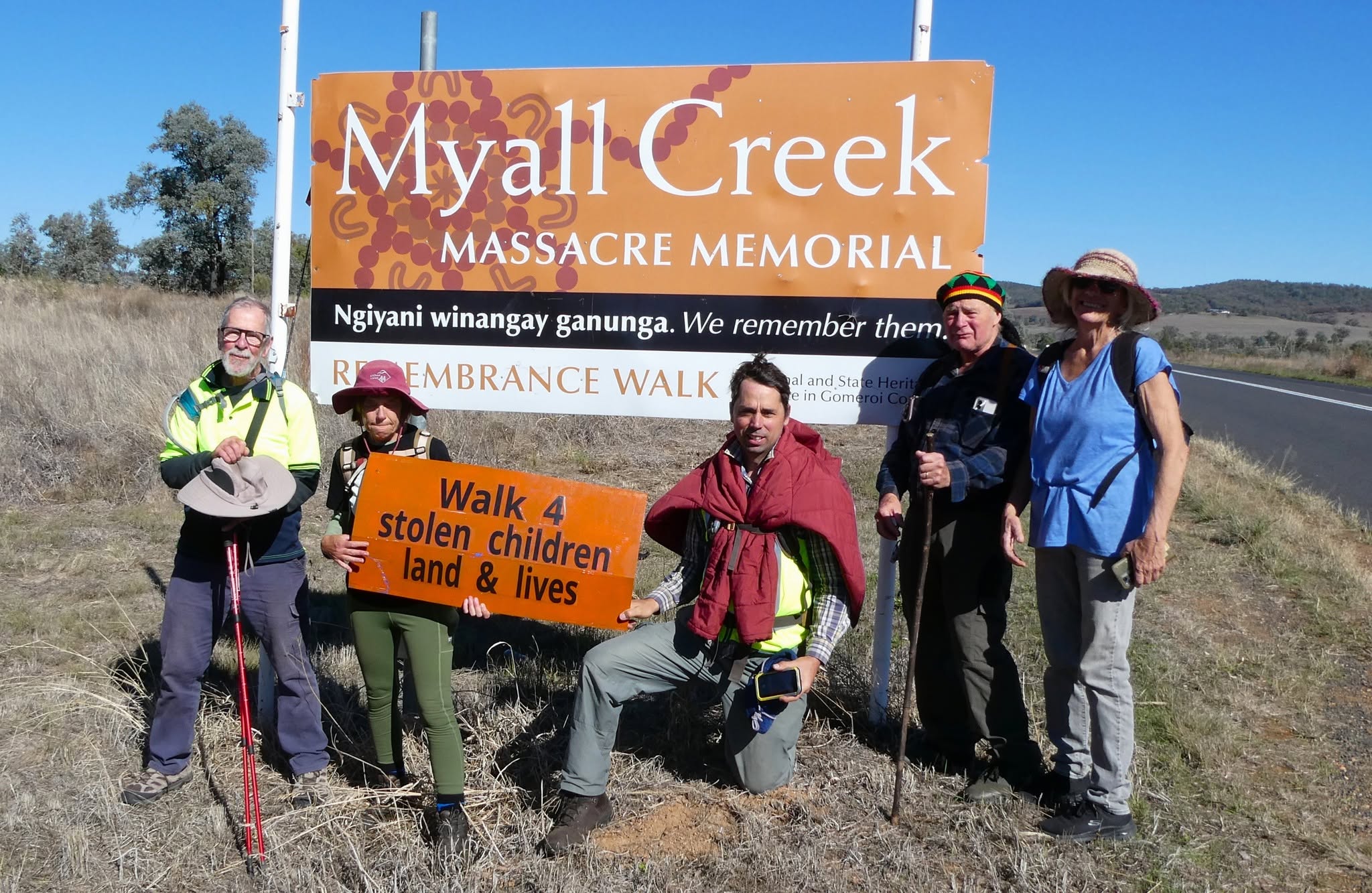
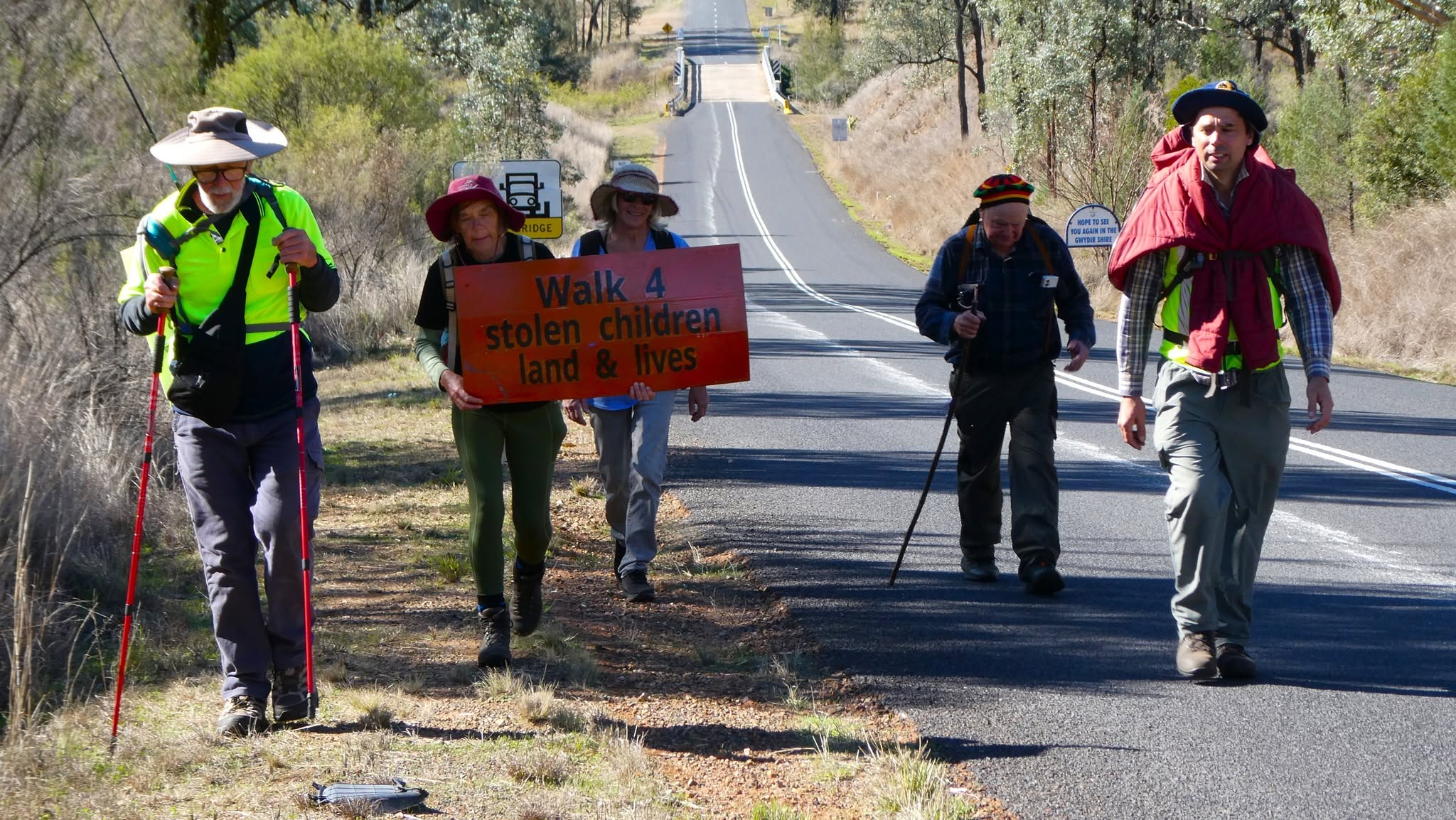
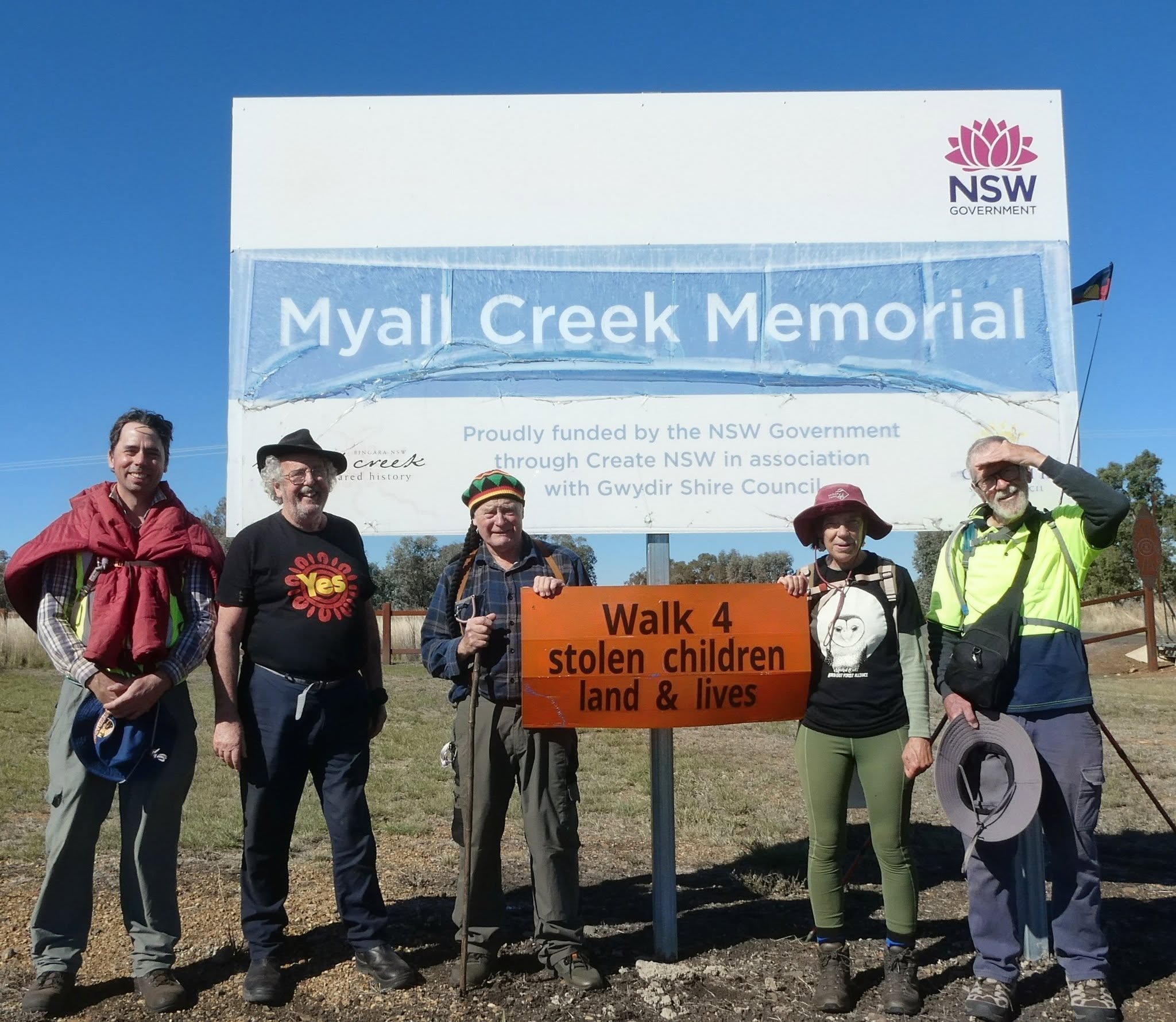
The Walk 4 Stolen Children, Land & Lives has successfully concluded in Myall Creek, having completed 474km on foot from Ballina and visited a number of massacre sites along the way.
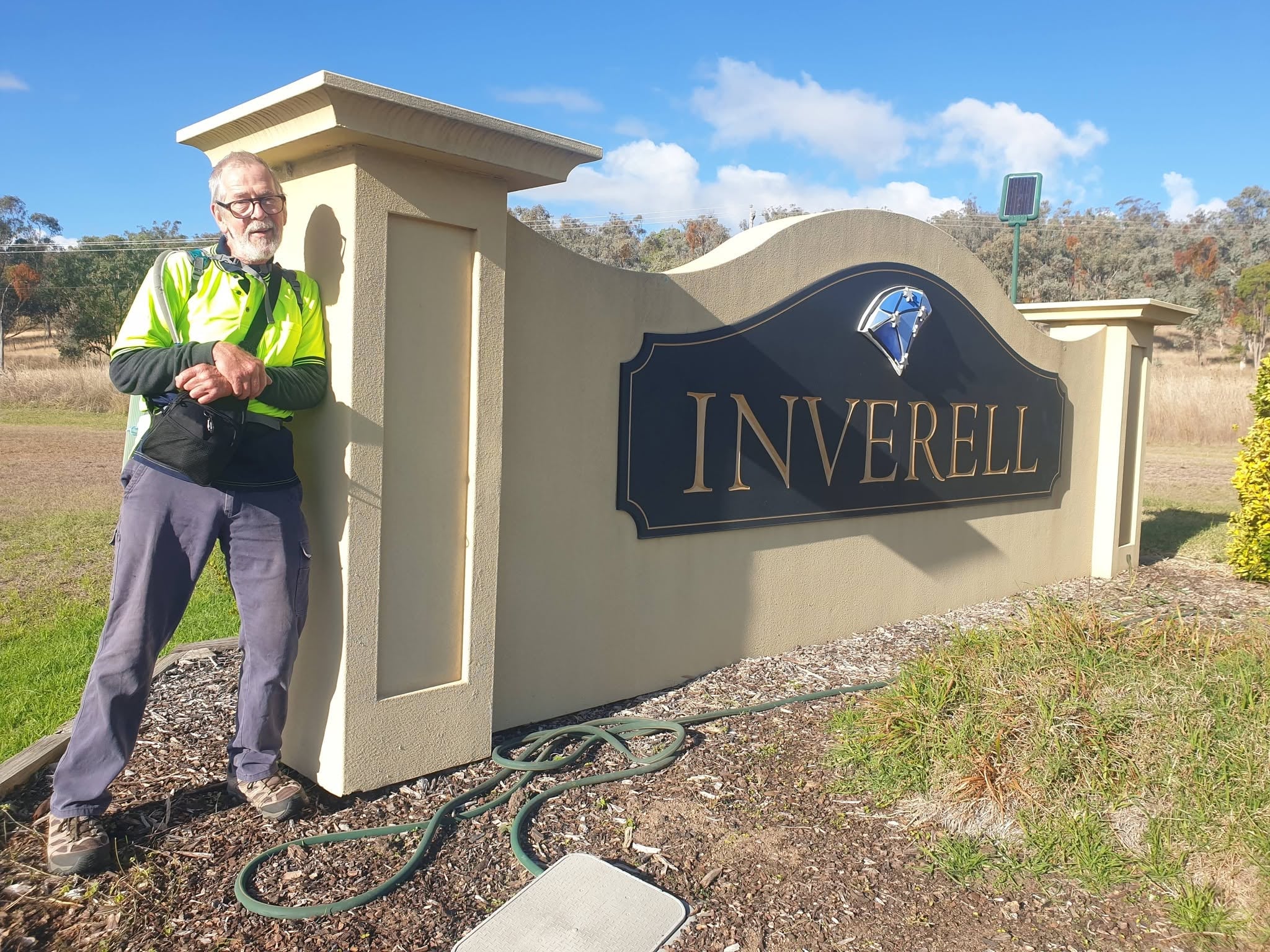
Participant Geoff Reid has just returned home and caught up with The Echo. Geoff is 71 years young, and said there were no injuries or illnesses affecting participants on the epic walk, although they struck some heavy weather along the way.
He said there were a number of memorable interactions with older landowners, ‘All positive, except when we photographed the gate of the current owner of Bolivia Station, where perpetrators left to create the Bluff Rock Massacre.
‘The owner was defensive about that. He saw us photographing his front banner board, and came racing out in his four wheel drive. He said he knew all about it, and there was a lot of contention about that, which might be right, might be wrong, and there were a lot of white people killed too.
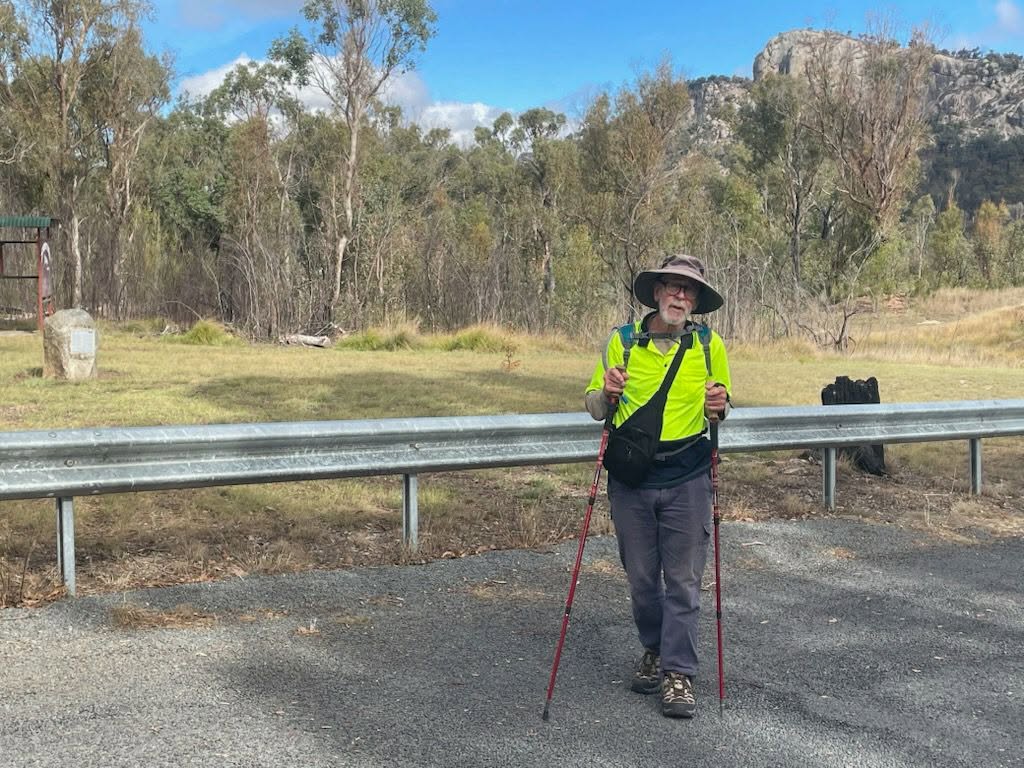
‘I said to him, look, I’d really like to come back and talk to you about that… After we put up a post on Facebook we got a lot of negative input from Tenterfield people about that.’
Although the massacre issue is still very sensitive on the tablelands, Geoff said the feedback from people was overwhelmingly positive.
‘All the older farmers, they mostly stopped to see what these aged people were doing walking in the middle of bloody nowhere, up big hills and stuff. Are you all right? Where are you going?
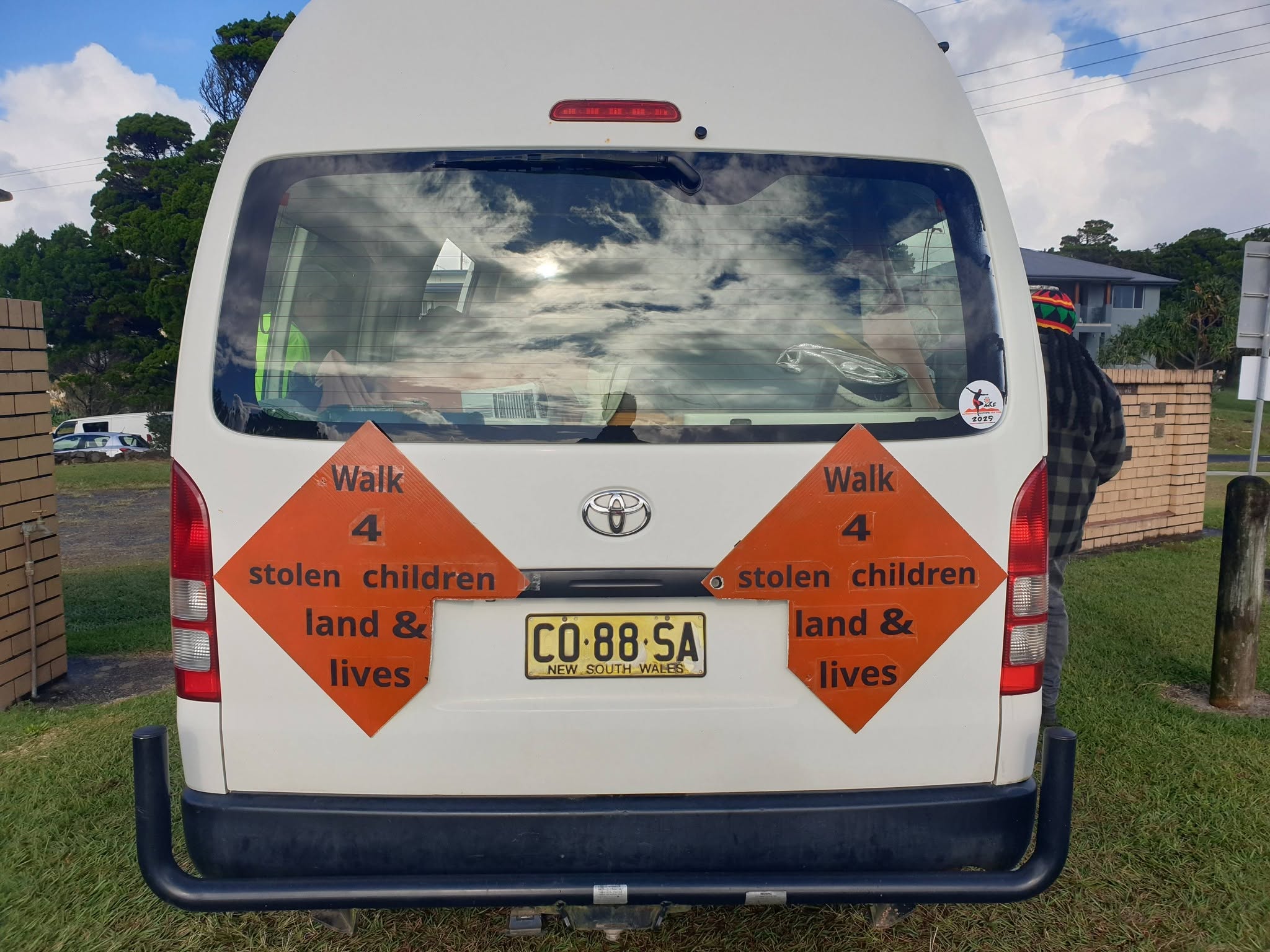
‘We had our signs on behind us, so any of those men who stopped – they were all men – already knew what we were walking for. There was zero negativity about that.’
Geoff said the signs at known massacre sites were unvandalised, where they existed, and the walkers also heard about less well-known massacres as they travelled through the country.
What about the weather?
‘Coming out of Ballina on the first day, we got almost horizontal rain coming down on us with a gale, but it was warm enough, so that didn’t worry us.’ Geoff said this was later replaced by lighter rain as they got further from the coast.
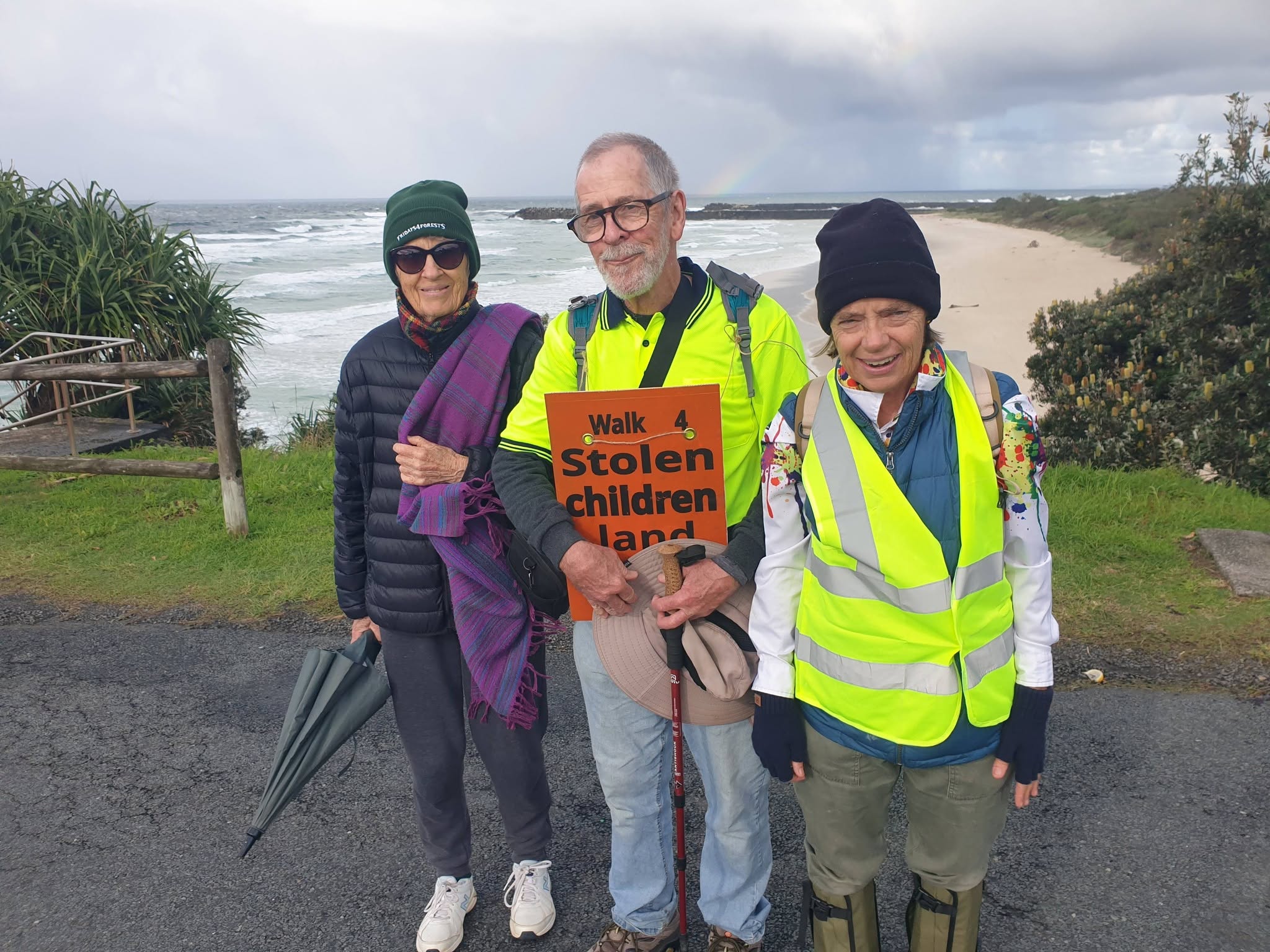
‘It drizzled for a lot of the days, and it was pretty cold, but it didn’t really pour on us, and didn’t make anything impossible.’
As well as walking, Geoff and the other walkers made a series of video updates as the walk progressed, keeping people informed about what was happening.
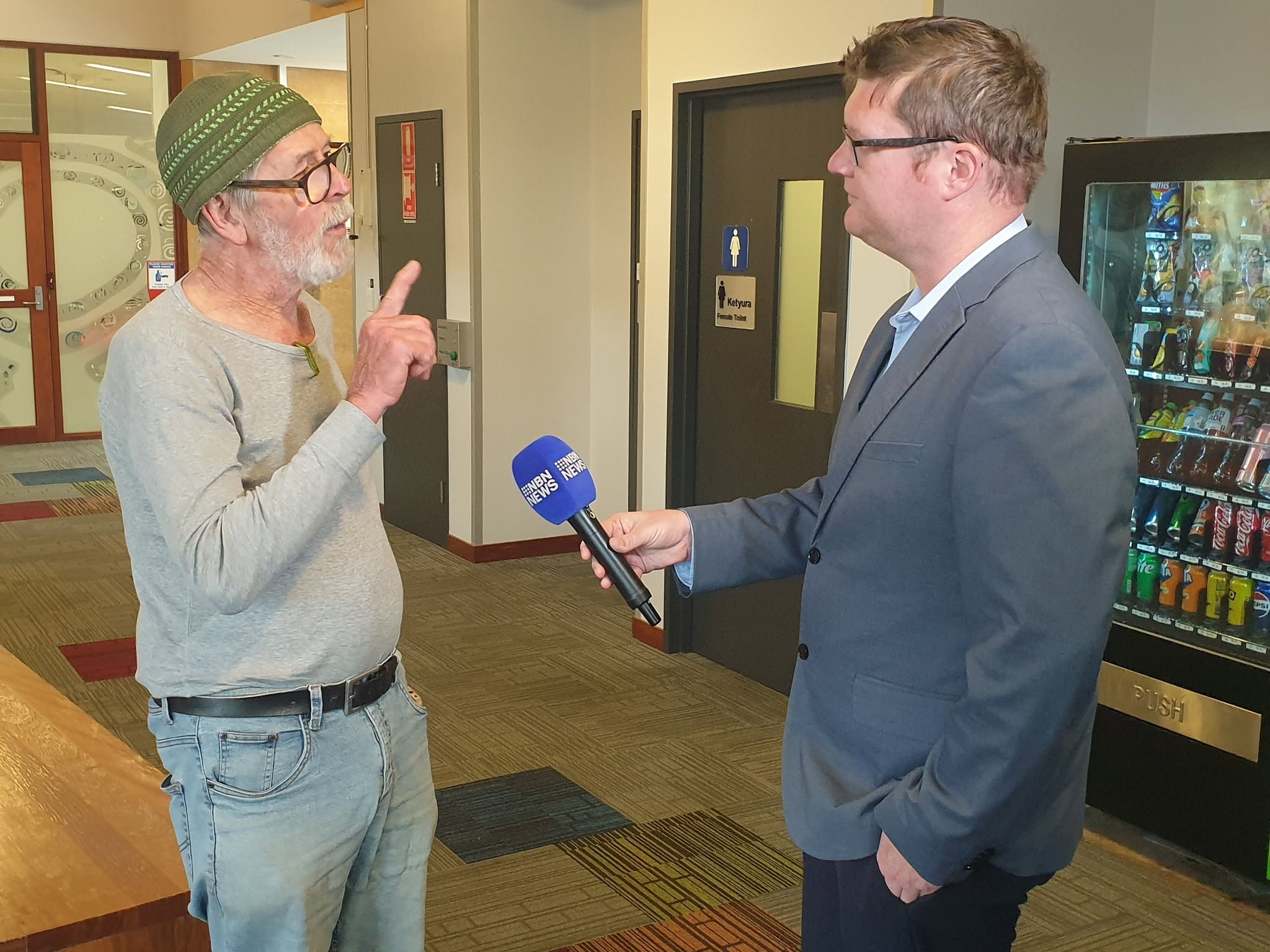
The group also managed to attract quite a lot of local media interest as they travelled along, raising the profile of the history, and the ongoing related issues.
What was it like when you finally reached Myall Creek, after weeks on the road? ‘Because we were getting there the day before the massacre commemoration, we didn’t expect any acknowledgement or welcoming committee, so we decided we’d go right to the very turnoff into the commemoration site and just stop there.
‘We took some photos, then we took our packs off and walked into the site. There were gardeners in there, they knew we were coming, and they welcomed us, dropped their tools for a while and had a cup of tea with us, then we came back the next day, as part of the commemoration.’
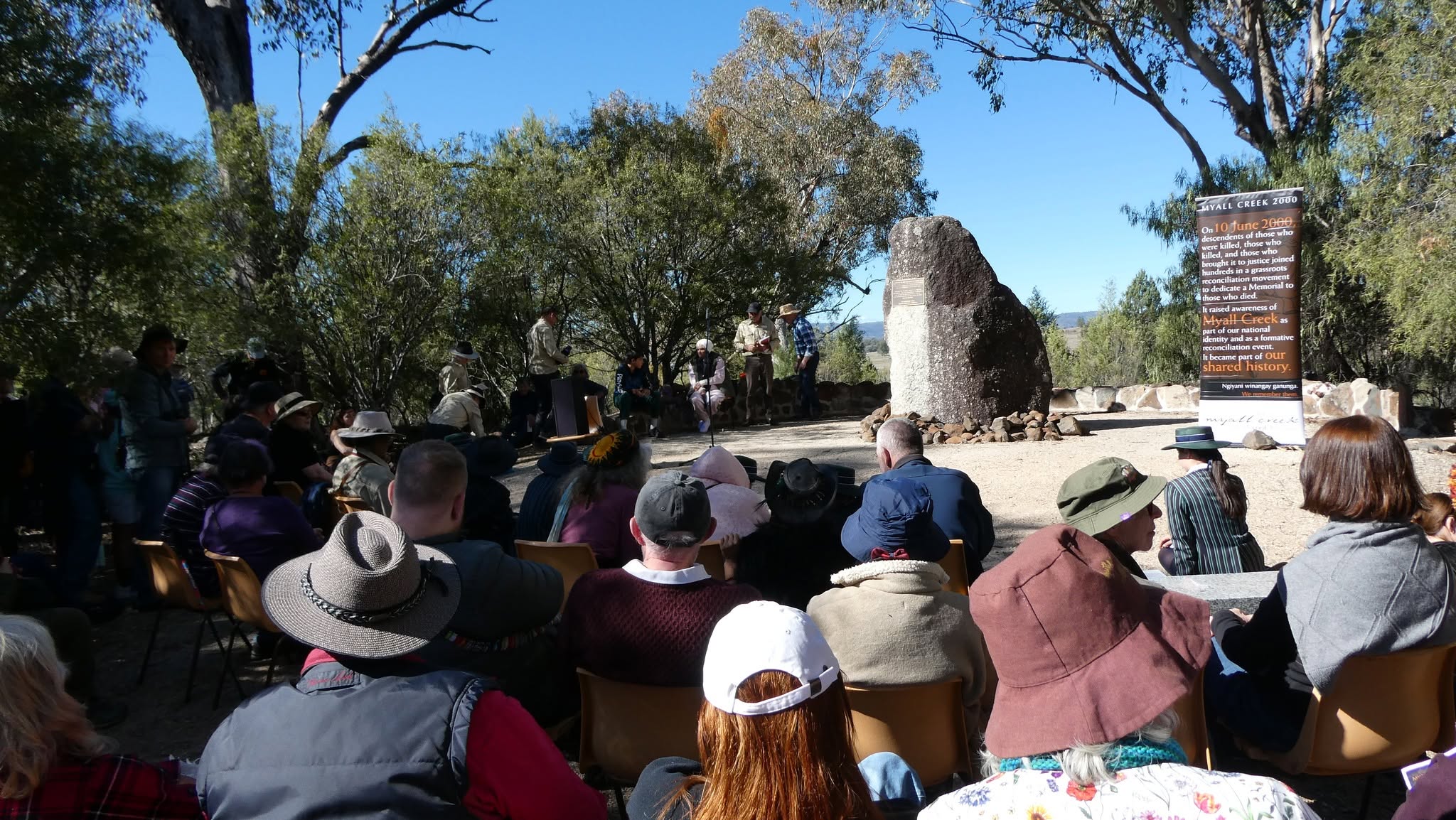
Geoff said he was heartened to meet one major local landowner who had pushed for the commemoration of Myall Creek, in which at least 26 unarmed Aboriginal people were murdered without cause, mostly women and children.
The families had been invited to live by the creek while their men were away working.
Practical reconciliation
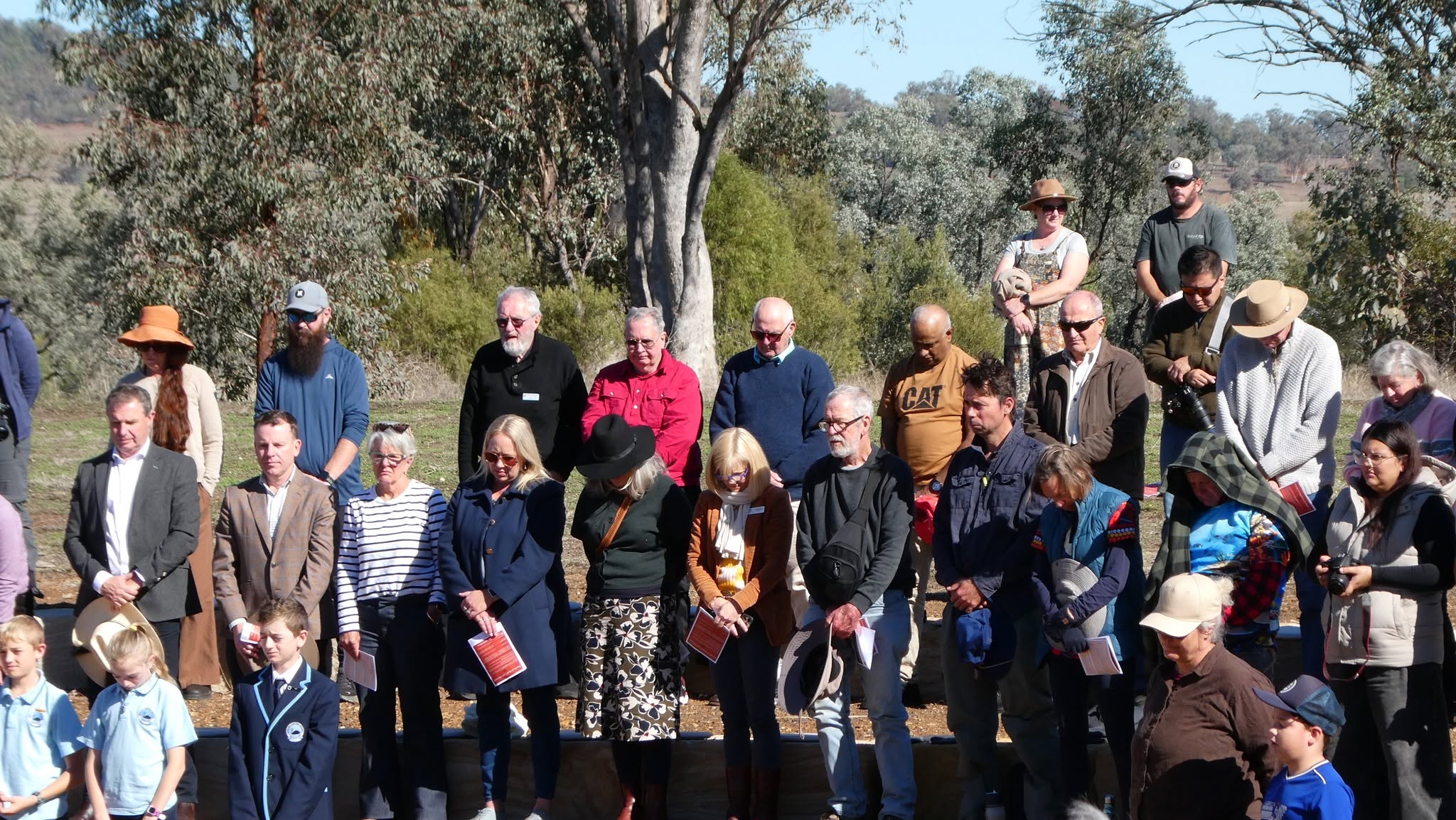
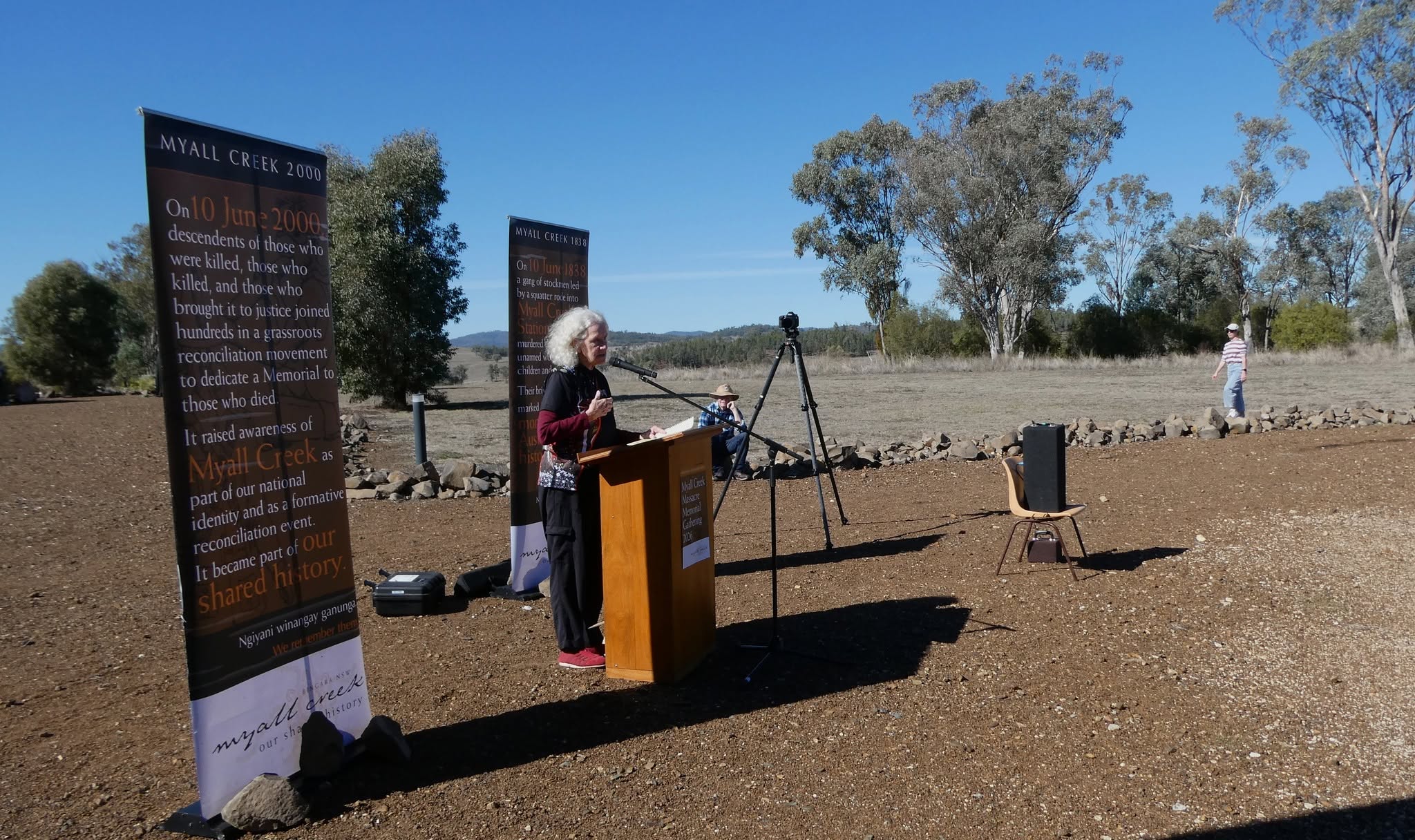
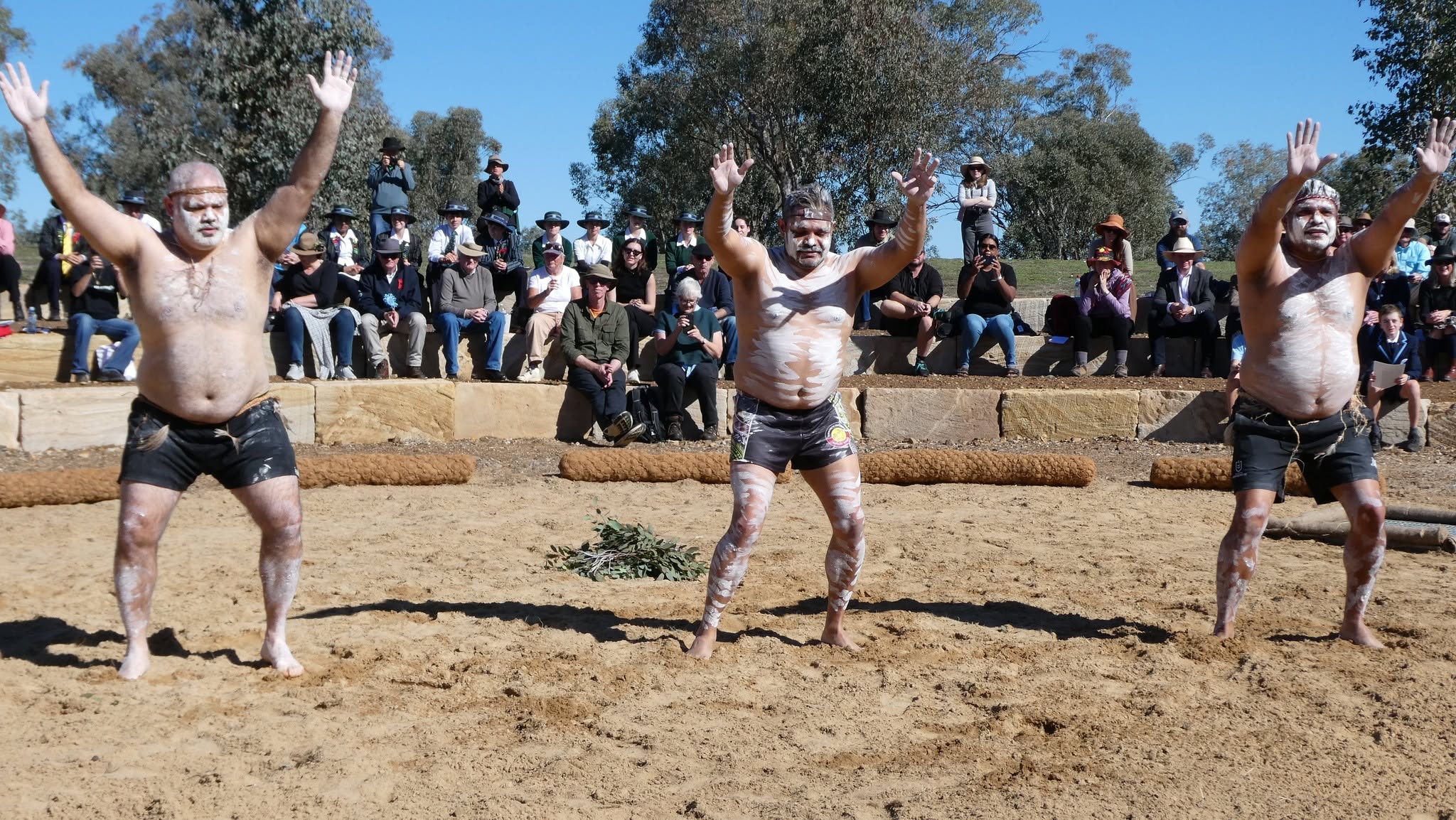
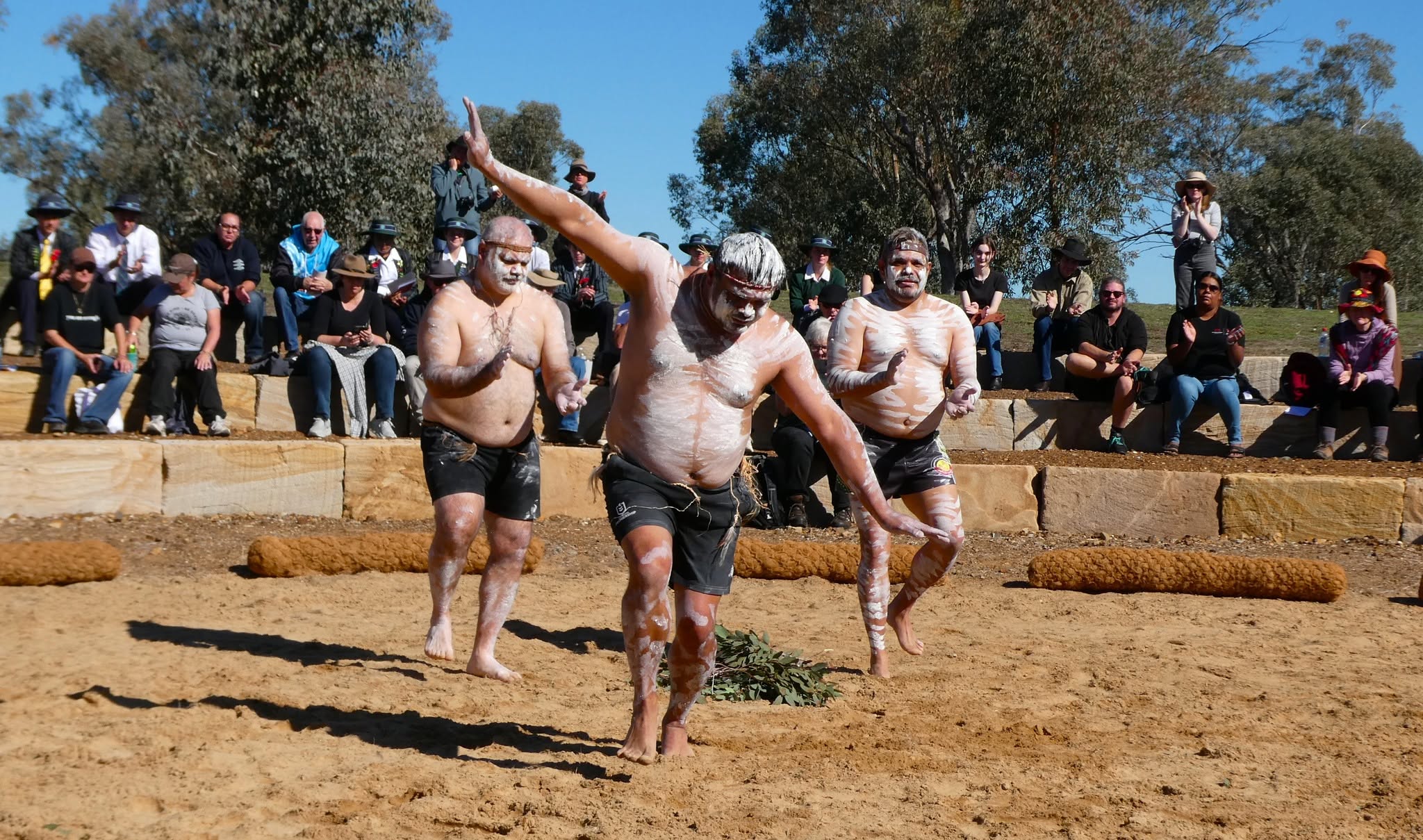
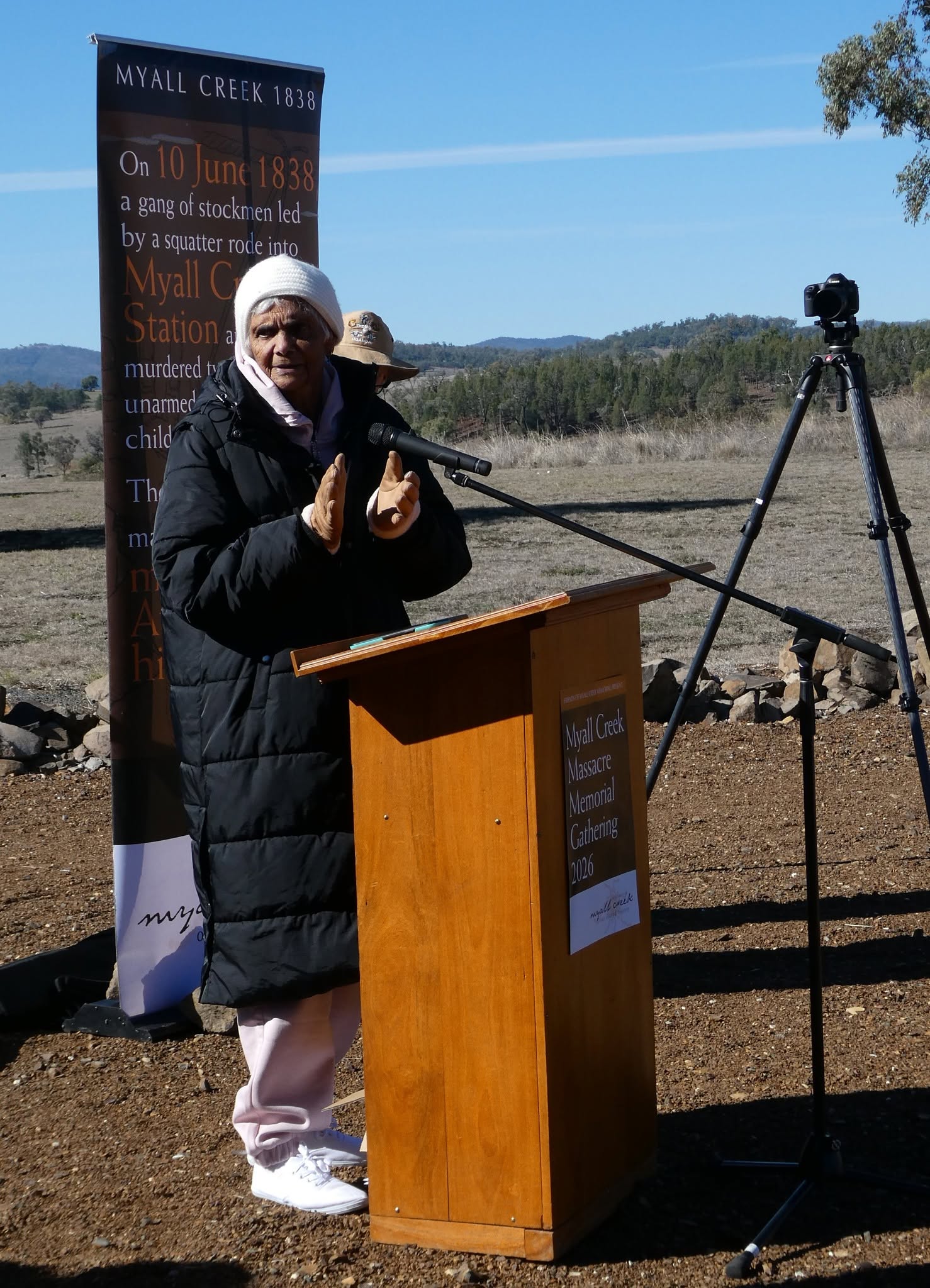
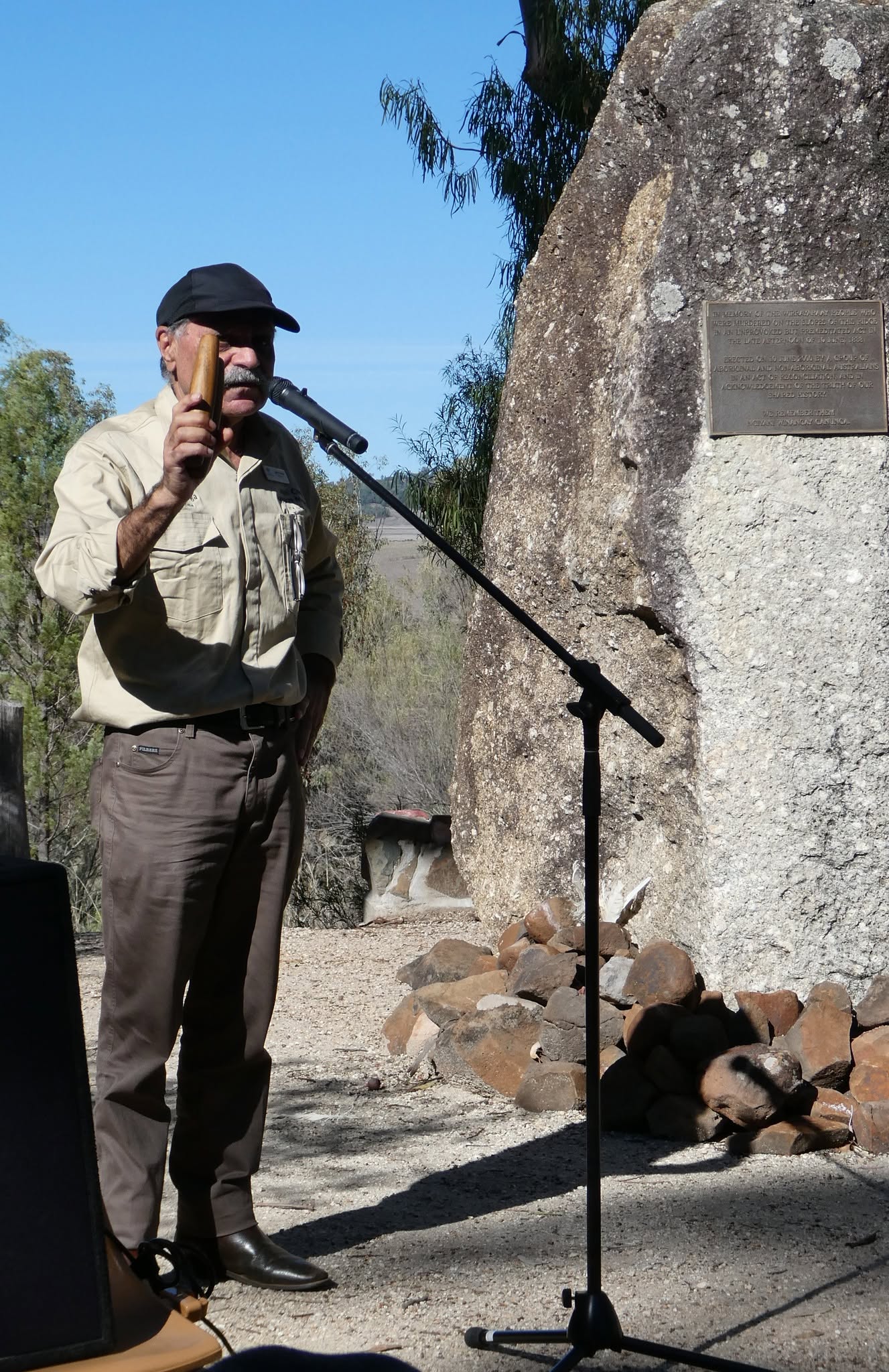
The annual Myall Creek commemoration is known for a moving ceremony of remembrance and forgiveness when the descendants of the murderers and the descendants of the victims meet and hug each other, which happened again this year. Tony Batchelor captured this video.
With the facts of what happened here not in doubt, and white justice catching up with at least some of the perpetrators, this is a unique Australian massacre story.
Beyond Myall Creek though, massacre history remains fraught across Australia. Geoff Reid said he was struck by the differences of opinion and differences of recollection about even well known massacres, such as the one at Evans Head.
‘It seems that there may have been three massacres there, one of which might have been a poisoning. The big one is where 100 people were shot dead. That’s the one that’s recorded, but it seems likely there were two others, recorded by oral history.
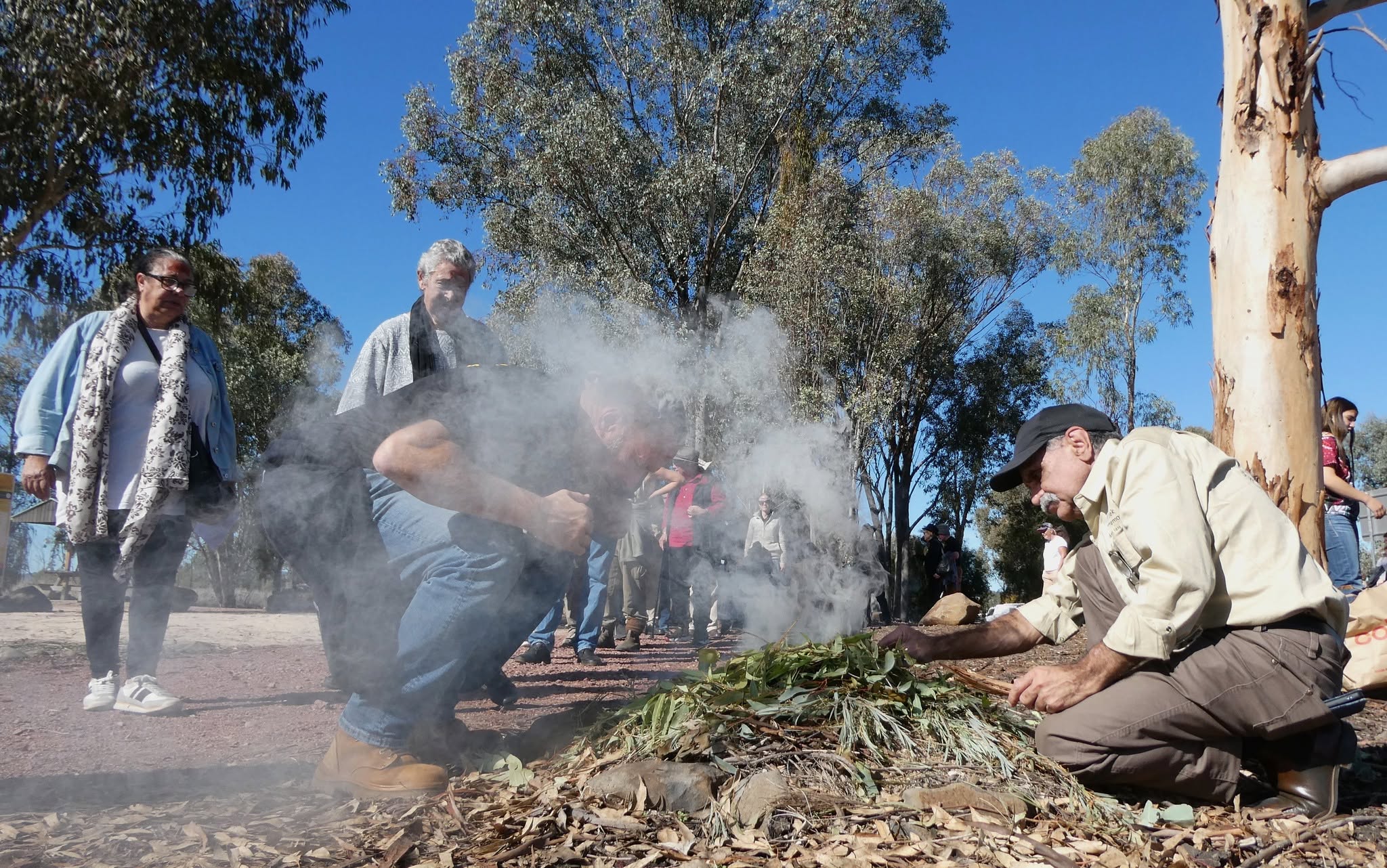
‘Some of our crew even went off with a local guide and saw one of these other massacre sites, but the word back from that one, particularly, was that the traditional owners did not want it publicised at all, for fear of further negative retribution…
‘It’s still so sensitive,’ he said.
‘I’m totally at ease with that. That’s fine. I think it’s a bit of a pity, but what I really hope is that whether through oral storytelling, or whether via a written recording, I really hope that they pass those stories down within their own mob and don’t die with that knowledge.’
Apart from the walk, there was also an event associated with the Myall Creek Commemoration this year at Armidale, in which a land rights lawyer named Tom McAvoy explained that many massacre cases in colonial times failed to proceed to conviction because the testimony of Aboriginal people wasn’t accepted in court.
‘Indigenous people were considered to be heathen and therefore they didn’t have a fear of God. Therefore they didn’t fear divine retribution if they lied in court.’
The well-documented massacre by poisoning at Coutts Creek, south of Grafton, is a famous example of this gaping hole in white law.
Team effort
Geoff Reid was joined on the epic walk by Ann Jarman and her husband Phil, who drove the support vehicle and provided invaluable cups of tea, meals and washing.
Daniel John Peterson also walked from Bolivia Hill, once he’d completed his university commitments, and was joined by his mother for some of the walk.
Other walkers joined as the party approached their destination.
Geoff Reid told The Echo he’d never walked that far before, and is unsure if he’ll do it again, but there are plans for future walks to Myall Creek from other parts of Australia.
‘A suggestion has been put forward that this might encourage other people to walk from other areas to Myall Creek site in future years, because there’s hundreds of these massacre sites across the nation. If different people chose their own paths to the same central point, it would plot the map from all these different districts.
‘The trouble is it’s a pretty difficult logistical thing. You’ve got to have a support team, or it would take two or three times as long.’
Conspiracy of silence
Geoff says the big problem with Myall Creek is that because some of the murderers were hung for their actions (though not those in charge), ‘later perpetrators took great care not to talk about it, and to even clean up little bits of evidence, so that no more people were caught up in their own legal system.
‘But it went on for another century – it didn’t stop at Myall Creek by any means. What happened was this conspiracy of silence descended, and that is what is still in effect…
‘Everyone knows about it, there’s some BS spoken about it on the Tablelands. They say things like it was too cold up here for Indigenous people to live there anyway, or we did kill a few, but there were a lot of white people killed too. It’s all very defensive.
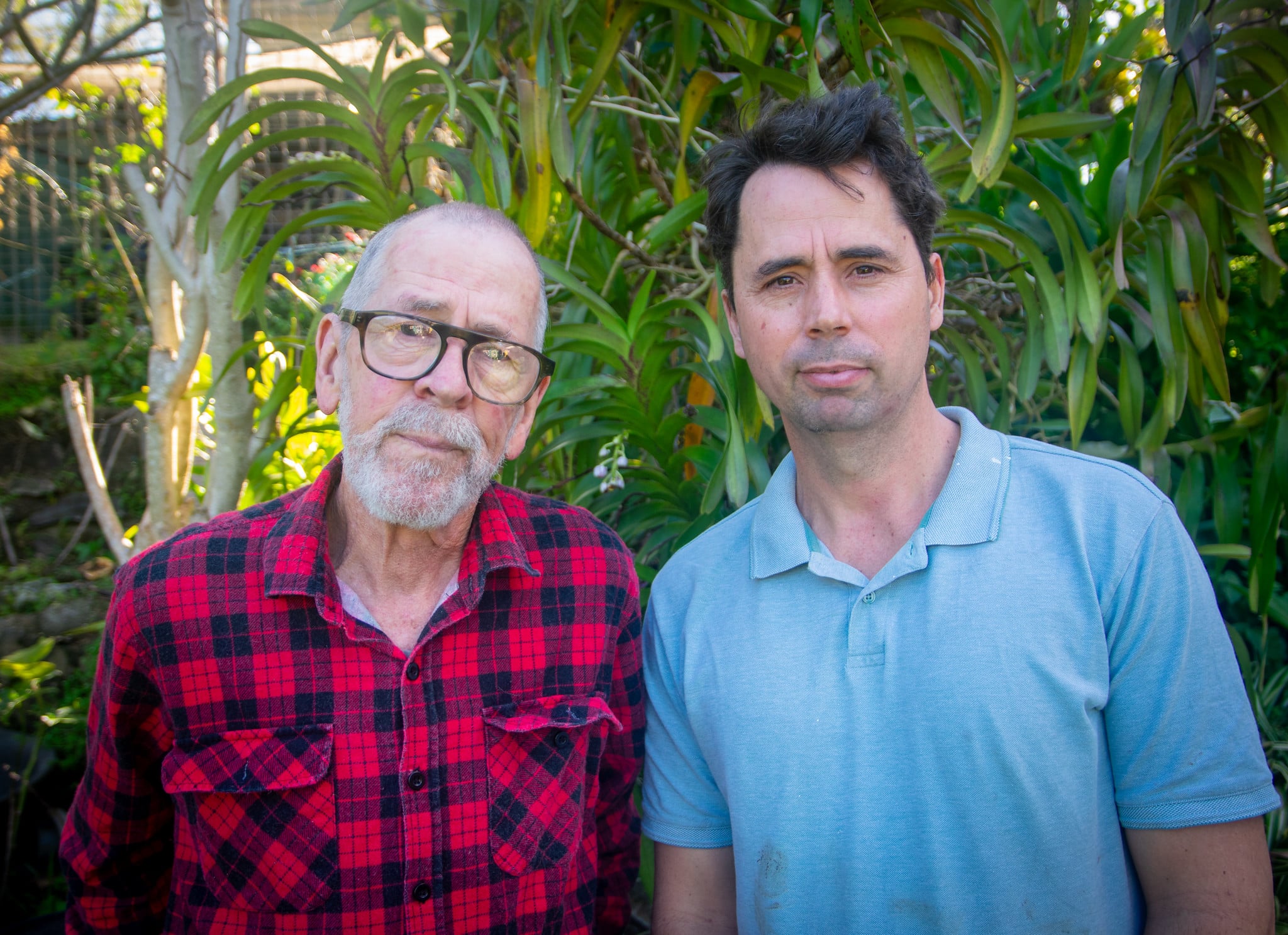
‘I think there’s a guilt about their own ownership, although in no way is their land tenure threatened by this. This conspiracy of silence continues to this day, and I think that’s what we’re really fighting against. Only white people can do it.
‘We’ve just got to knock against that ceiling and break it down bit by bit until we talk about this stuff honestly and just own it, and grow up as a nation.’
You can find out more about the Walk 4 Stolen Children, Land & Lives here.

 For four decades The Echo has printed the stories some people loved, some people hated, and some pretended not to read. If you want us to keep telling the truth, the real truth, not the sugar-coated version. We’ll need your support to keep the presses rolling.


