


A Tweed councillor is warning that protections for agricultural/environmental land could be diminished if a strategy to expand housing on rural land is adopted by Council.
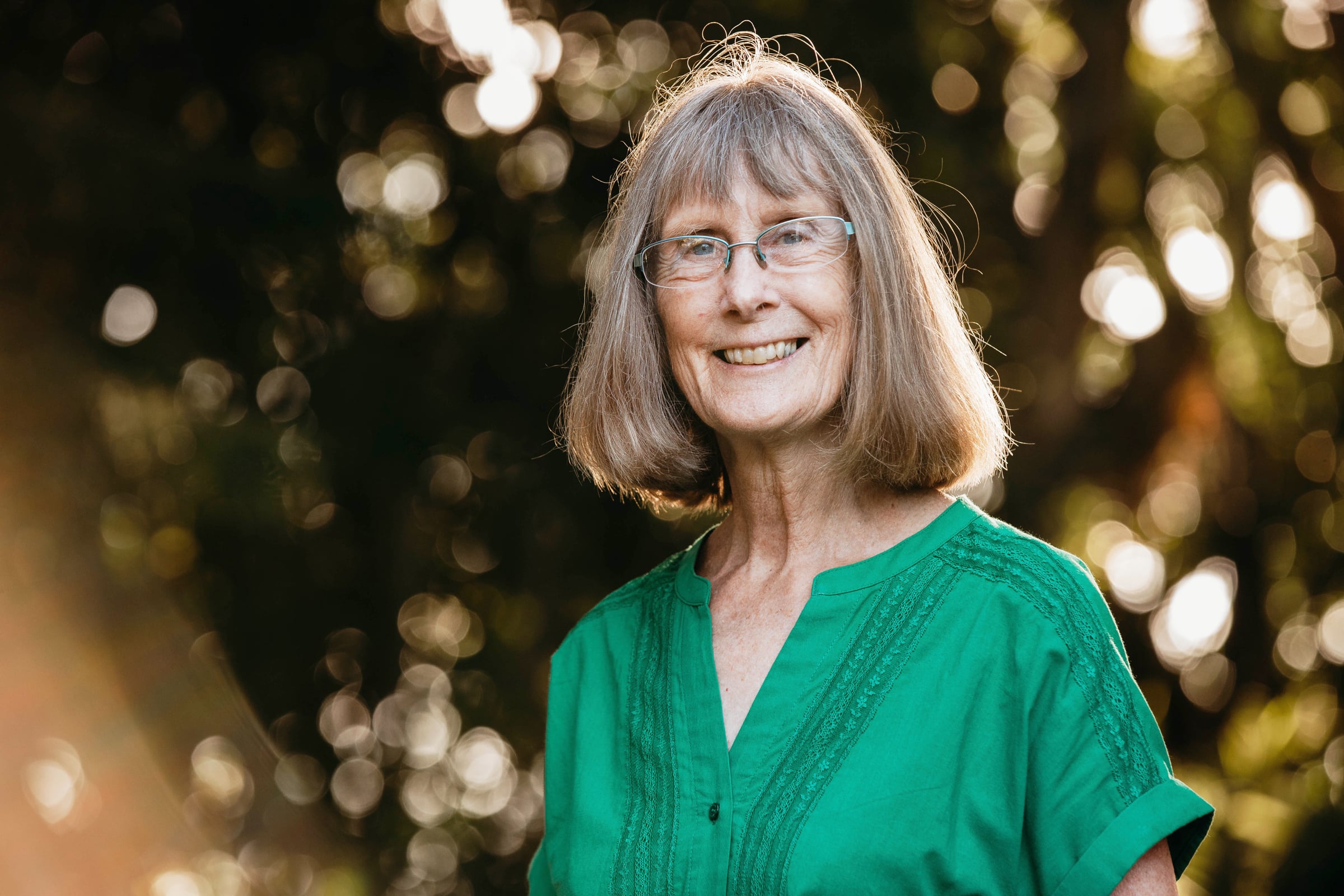
Cr Nola Firth (Greens) told The Echo, ‘Our draft Growth Management Housing and Employment Strategy (GMHES) has had an unexpected and highly concerning blow, especially in the rural housing section, in the form of the new proposed state housing reforms. Last Council meeting, although I tried to raise a motion to have the rural section removed pending clarification, I didn’t succeed’.
‘We need address the situation however, because the GMHES promises protections for agricultural land and environmental protection that it can clearly no longer deliver. Instead, in our World Heritage listed Shire, which has the highest biodiversity left in NSW, and therefore where there is highest responsibility, we are looking at the possibility of open slather.
‘The draft GMHES now has second and/or secondary houses in rural land of 5ha and above – a potential extra, mainly low rise, 2,500 houses. But the new proposed low rise housing (one and two storey houses) reform will mostly bypass all the agricultural land and environment protections in the GMHES. The reform proposes widening complying categories and fast -tracking via ‘targeted assessments’ and reducing community exhibition and input.
‘Requirement for conditions such as avoiding tree clearing, offset bush regeneration, weed management or light pollution management would no longer be part of the process. Instead, a state-wide condition would apply. Site selection to avoid land use conflict with neighbours and fragmentation of agricultural land and environmental protection would likewise no longer apply. Reference to the specially planned rural section of the Development Control Plan (DCP) would also not apply.
‘Council staff have indicated that the promised ‘net environmental benefit’ of rural housing development, which is already likely to be very hard to achieve, will no longer be possible. Director Galle states, ‘If the state reforms proceed as proposed, Council’s ability to impose these tailored environmental requirements would be substantially reduced, with development instead governed by a prescriptive state code.’ (See Item 7.1, 7th attachment on the public Council meeting agenda or May 21).
Cr Firth continued, ‘According to Council staff advice, there also remains some uncertainty about the rural aspect of the new state reforms. Removal of the rural section pending clarification needs to be seriously considered if we are to undertake due diligence. The strategy is a tool we can use to mitigate the situation and it’s important we get it right. It’s also worth noting that there are already double the number of houses needed by 2040, in fact an extra 15,200 house lots, in the GMHES, so immediate resolution of rural housing is not crucial. There is also no way to ensure extra rural houses are affordable housing or farmer’s houses or that they will be used for long term rather than short term rental.
‘There are also other concerns about the increased rural housing that still need to be addressed in the Strategy. The SES has expressed concern about increased housing, especially for older people, in the rural areas in this time of increasing disasters of flood, fire and landslip (See Item 7.1, 7th attachment on the public Council meeting agenda March 19).
‘The Department of Primary Industries and Regional Development is also opposed due decreased agriculture opportunity in a time of the increasing need for food security and concern regarding avoidance of land use conflict in agricultural areas (See Item 7.1, 11th attachment on the public Council meeting agenda March 19). Further, there is state concern that our stated policy is to have housing in contained areas where there is infrastructure, and this is an inconsistency because it is development entailing about 2500 houses in an ad hoc fashion. (See Item 7.1, 12th attachment on the public Council meeting agenda March 19).
‘Other significant concerns about increased rural housing are costs. While an increase in housing opportunity for rural land owners will likely increase the value of their land, there is also a likely increase in rates to the community due to second houses not being rateable and secondary houses not incurring development contributions. I understand the rural sector is already subsidised by the urn\ban sector. The shortfall in rates alone from the extra houses is estimated at $3,210, 316.
‘Maybe the NSW state government will give Tweed Shire a carve-out from their new housing reforms due to the shire’s environmental significance. ‘But that’s a long shot, and unless we change the GMHES to adapt to what is actually happening, we are making a false promise to the community as to its impact. Weeds, feral animals and loss of habitat are the top three reasons for loss of biodiversity in our state. The most recent state NSW State of the Environment Report rated the environment as ‘bad and deteriorating’. Weeds feral animals and loss of habitat are the known chief causes of biodiversity loss. Let’s make sure we don’t further contribute to that. Let’s make sure we don’t also contribute to loss of local food security – which in the current world climate is so clearly needed.
‘The state reforms are currently on exhibition asking for submissions until June 24 See: Low-rise housing and targeted assessment | NSW Government.
‘The GMHES will be on exhibition in the near future. Please make your opinions known’, says Cr Firth.
 For four decades The Echo has printed the stories some people loved, some people hated, and some pretended not to read. If you want us to keep telling the truth, the real truth, not the sugar-coated version. We’ll need your support to keep the presses rolling.


