



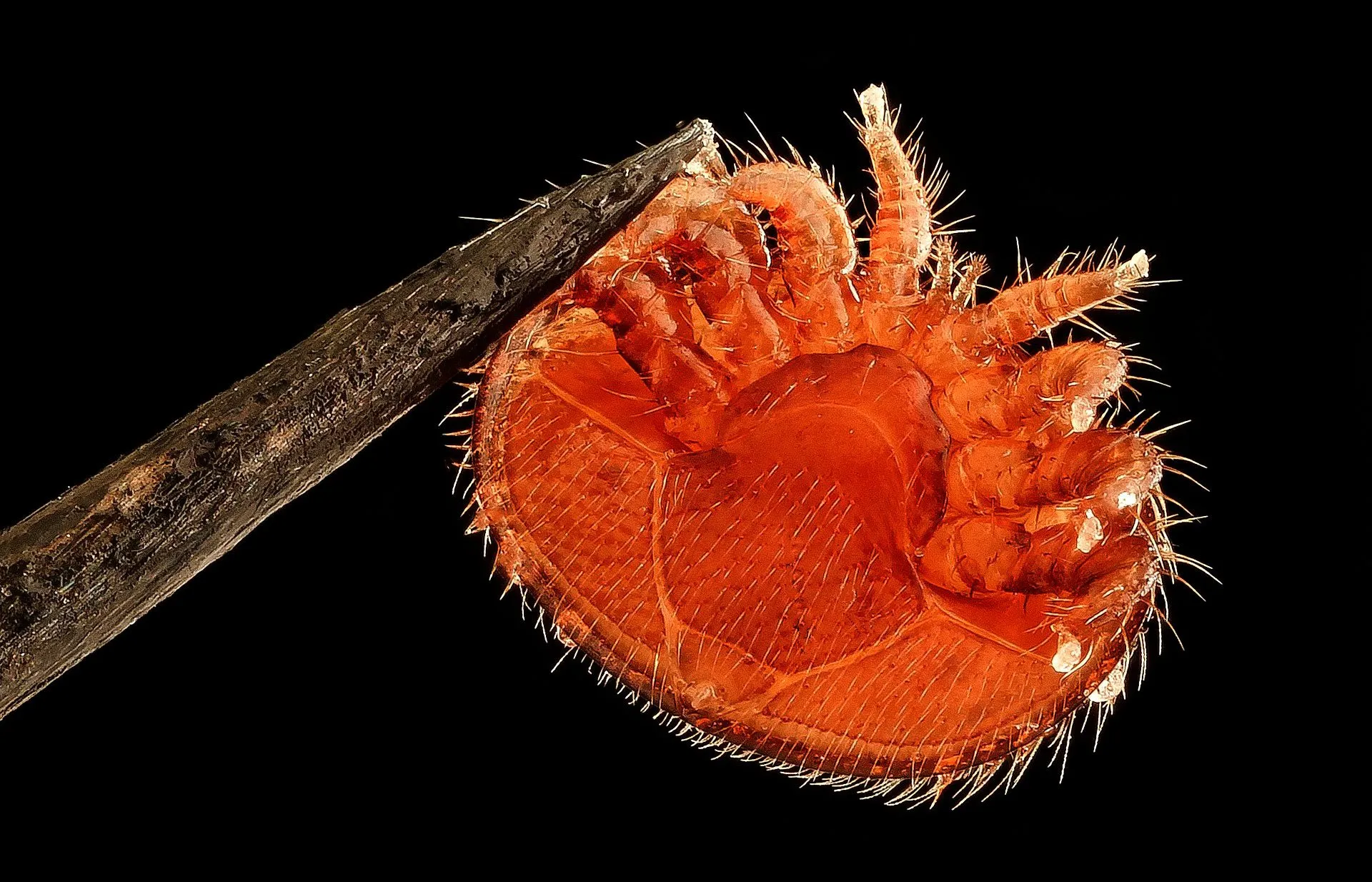
The Varroa Mite ‘(Varroa destructor and Varroa jacobsoni) is a parasite of adult honey bees and honey bee brood. It weakens and kills honey bee colonies and can also transmit honey bee viruses’.
The parasite entered Australia through the Port of Newcastle 15-months ago with the first Varroa Mites discovered in honeybee hives at Newcastle, NSW, on 22 June 2022 according to the Aussie Bee website. Since that time the NSW and federal government approach has been to eradicate the varroa mite in Australia. However, this strategy changed yesterday when the ‘eradication strategy’ was replaced with a ‘management strategy’.

Greens MP and spokesperson for agriculture Sue Higginson said ‘The decision by the Varroa Mite management group would not have been easy to make and is the final line in a story of the NSW Nationals and their failure to exercise their biosecurity responsibilities when they were in government,’
‘The failure by the NSW Nationals to protect Australia’s borders against this invasive and destructive species has already led to the destruction of more than 30,000 beehives and potentially up to $19 million in compensation claims from affected businesses.’

Interim management strategy
NSW DPI Director General Scott Hansen said that NSW will operate under an interim management strategy, which has been published in a new Emergency Order, while a National Management Plan for Transition to Management is being developed.
‘Following the NMG decision yesterday to transition to management, the NMG also agreed to an interim strategy to limit the impacts and slow the spread of Varroa mite, which NSW DPI has begun working with all our stakeholders to implement today,’ Mr Hansen said.
‘We will continue to provide information and support to the industry, using learnings from the past fifteen months during which the spread of this invasive mite has been significantly delayed thanks to the tireless efforts of the response team.’

NSW Suppression Zone
NSW DPI Deputy Director General Biosecurity & Food Safety, Dr John Tracey said under the conditions of the interim management strategy, the whole state will either be in a Suppression Zone or Management Zone.
‘The only Management Zones will be in the existing Emergency Eradication Zones in the Kempsey, Hunter and Central Coast regions,’ Dr Tracey said.
‘Free movement will be allowed within Management Zones, and movement outside Management Zones will be allowed under risk-assessed permit conditions.’
‘The rest of the state will be classified as being in the Suppression Zone, where hive movements will be allowed so long as movement declarations are completed.’
Dr Tracey said the interim management arrangements are designed to balance risk with business continuity.
‘Beekeepers in all current Emergency Eradication (red) Zones will have the option of voluntary euthanasia of hives and subsequent access to Owner Reimbursement Compensation payments if they meet certain conditions,’ Dr Tracey said.
‘NSW beekeepers have been through a lot over the past fifteen months, so I want to remind them to reach out to DPI as we have a range of tools to support them through these challenging times.’
Under the interim strategy, all beekeepers in NSW will still be required to complete hive testing (alcohol washing, soapy water wash or miticide strip and sticky mat) and report results to DPI every 16 weeks. Where results indicate a mite infestation DPI will supply miticide strips to be installed in infested hives.
Hive movement declarations must be submitted to DPI for all movements of hives and all miticide treatments must be recorded and reported to DPI.

Native bees
Australian native bees are so far believed to be immune to attack by the varroa mite according to the Australian Bees website.
‘Fortunately, research has shown that the varroa mite cannot attack Australian native bees directly, as native bees have a very different biology from European honeybees,’ states the website.
‘Other flow-on effects are still possible though. Infested hives of European honeybees carry high levels of bee viruses and some of these might spill over to native bees.’
While the destruction of wild European honeybee nests will potentially reduce competition for nectar and pollen resources in the bush the strategy of ‘using sugary baits containing a highly toxic pesticide’ in the bush to destry the varroa mite in the Red Zones will have an impact on native bees stated teh website.
For more information visit the NSW DPI Varroa mite website at www.dpi.nsw.gov.au/varroa or contact the Varroa mite Hotline on phone 1800 084 881.
 For four decades The Echo has printed the stories some people loved, some people hated, and some pretended not to read. If you want us to keep telling the truth, the real truth, not the sugar-coated version. We’ll need your support to keep the presses rolling.


