



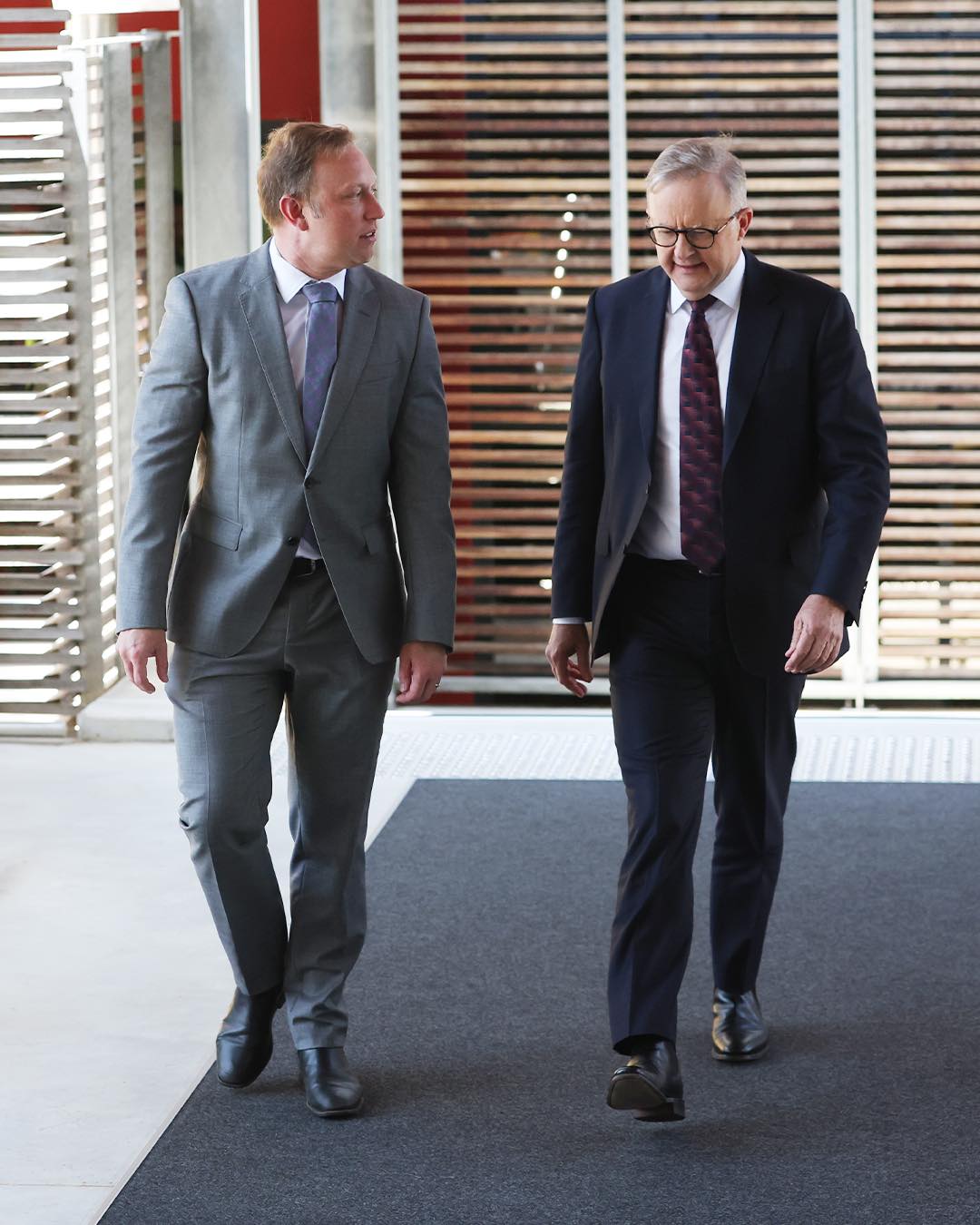
Queensland’s new premier Steven Miles has arrived in the big chair at a dramatic time. One week into the job, he’s already faced one of the worst natural disasters in the state’s history, and taken on the fossil fuel industry. The bloke clearly doesn’t lack guts, or ambition.
During the dark days of COVID, as ‘s trusted deputy and health minister, Mr Miles was the one delivering the daily bad news about deaths and border closures. This made him a familiar face to Queenslanders, but not necessarily a popular one. When Ms fell on her sword, he was elected unopposed by his party.
Steven Miles likes to emphasise his working class roots, and wrote his university doctorate about the union movement. Mr Miles is also a disciple of Al Gore, which means he understands the science of climate change, and is now in a position to do something tangible about it. Unlike previous Queensland Labor premiers, he’s already done more than talk, banning oil and gas drilling in the Western Channel Country, and doubling the state’s emissions reduction target to 75 per cent by 2035.
This has enraged Santos and other fossil fuel interests, who are running campaigns in opposition to these policies and increased coal royalties. With Labor only being able to retain government by hanging on to regional seats, Mr Miles’ future as premier depends on him being able to convince voters across the state that renewable energy will provide more jobs than legacy fossil industries.
Disaster state
Focusing on the other end of the problem, Steven Miles said in one of his first press conferences that Queensland has always been one of the most disaster-prone places in Australia, and with so much extra heat in the Earth’s atmosphere, ‘that’s only going to get worse’.
As more and more people are learning, having your house go underwater is a powerful wake-up call.
Mr Miles describes himself as a consensus politician, hoping to unite right and left, the cities and the regions. From a more cynical perspective, in the past he’s proven prepared to let conviction take a back seat to realpolitik, having switched from Labor’s Right to Left faction after he failed to win his first pre-selection ballot back in 2009.
Now he’s at the helm of his state, Mr Miles claims he wants to lead a government that ‘listens’. Along with getting serious about the climate emergency, he’s said he wants to prioritise housing in south-east Queensland, get to grips with Townsville’s youth crime epidemic, explore new locations for satellite hospitals, and deal with tensions over infrastructure spending for the 2032 Brisbane Olympics.
He has the ear of Prime Minister Anthony Albanese, which will help, and appears to have a genuine concern for his fellow Queenslanders who have lost everything in the recent floods.
With large areas of his state already fracked beyond recognition, thanks largely to previous Labor premiers, his decision to protect the Channel Country comes at a critical time, with ripple effects for NSW and SA, hence the panicky response of Santos and the minerals lobby.

Mr Ordinary?
Since his rapid ascension up the greasy political pole, Steven Miles has been at pains to suggest to the press he’s a typical, ordinary bloke.
‘Ultimately, I’m a suburban Queensland dad with three kids, and so many Queenslanders are like me, and I want to demonstrate to them that I understand what concerns them in their day-to-day lives and how government can help them.’
This might sound like a mish-mash of Kevin Rudd and ScoMo, but so far there are no signs Mr Miles has any federal ambitions. He’s said repeatedly that his focus is 100 per cent on being premier, for however long that lasts.
At 46 years of age, Steven Miles has been in parliament since only 2015. Now he has less than a year to convince the voters of Queensland he’s the right person to lead the state into an uncertain future.
In terms of the big picture, Queensland has spent most of its history being derided or ignored by Canberra and the other states, but the fact is that this massive, extraordinary place to our north contains crucial World Heritage areas on land and sea, a fast-growing population, land-clearing to rival many third world countries, and further carbon ‘bombs’ beneath the ground (stored carbon with the potential to tip the world into runaway climate catastrophe, if released), along with vast renewable energy potential.
What happens in the sunshine state has major implications for Australia and the wider world. New South Wales needs to pay attention too.
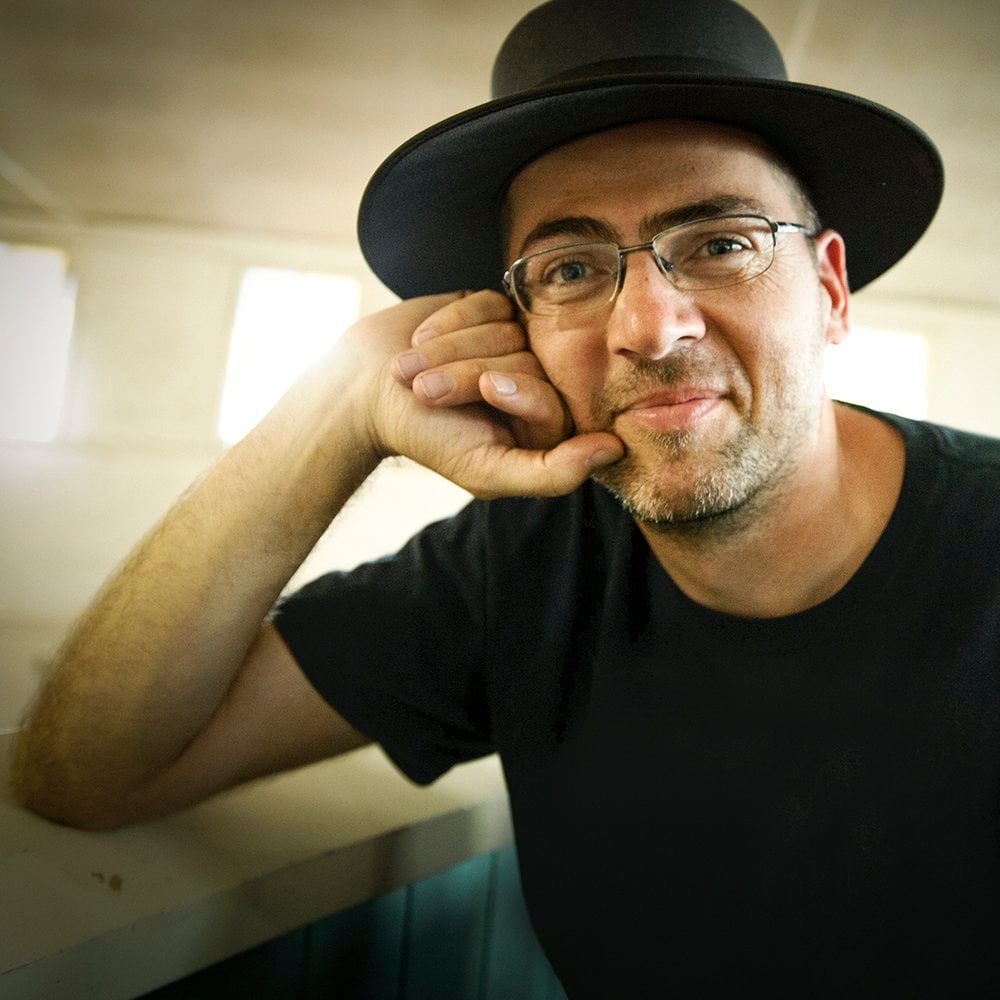
Originally from Canberra, David Lowe is an award-winning film-maker, writer and photographer with particular interests in the environment and politics. He’s known for his campaigning work with Cloudcatcher Media.
Long ago, he did work experience in Parliament House with Mungo MacCallum.
 For four decades The Echo has printed the stories some people loved, some people hated, and some pretended not to read. If you want us to keep telling the truth, the real truth, not the sugar-coated version. We’ll need your support to keep the presses rolling.


