



Volunteers and community scientists have repeatedly highlighted the failure of NSW Forestry Corporation (NSWFC) to identify hollow-bearing trees used by the endangered southern greater gliders, the largest marsupial glider in the world. Now the Environmental Protection Authority (EPA) has removed the requirement for specific surveys for the greater gliders and greater glider den trees before logging operations start.
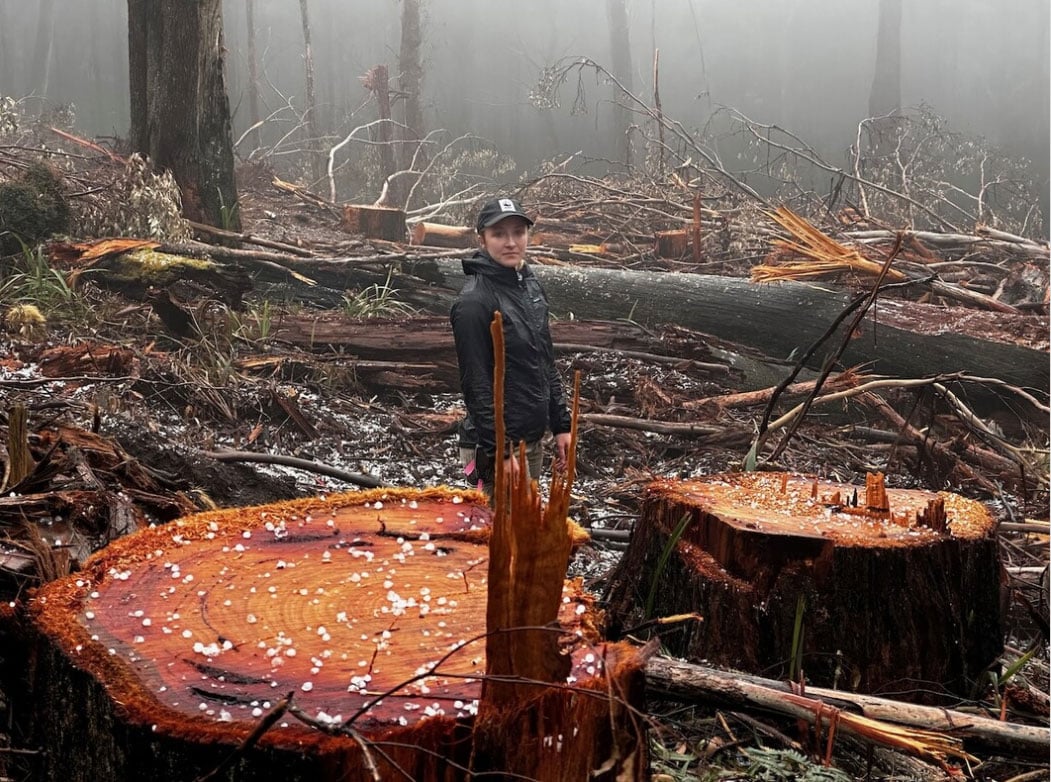
Nature Conservation Council of New South Wales (NCC) analysis has shown that areas with some of the highest numbers of greater glider records in the state are being logged right now.
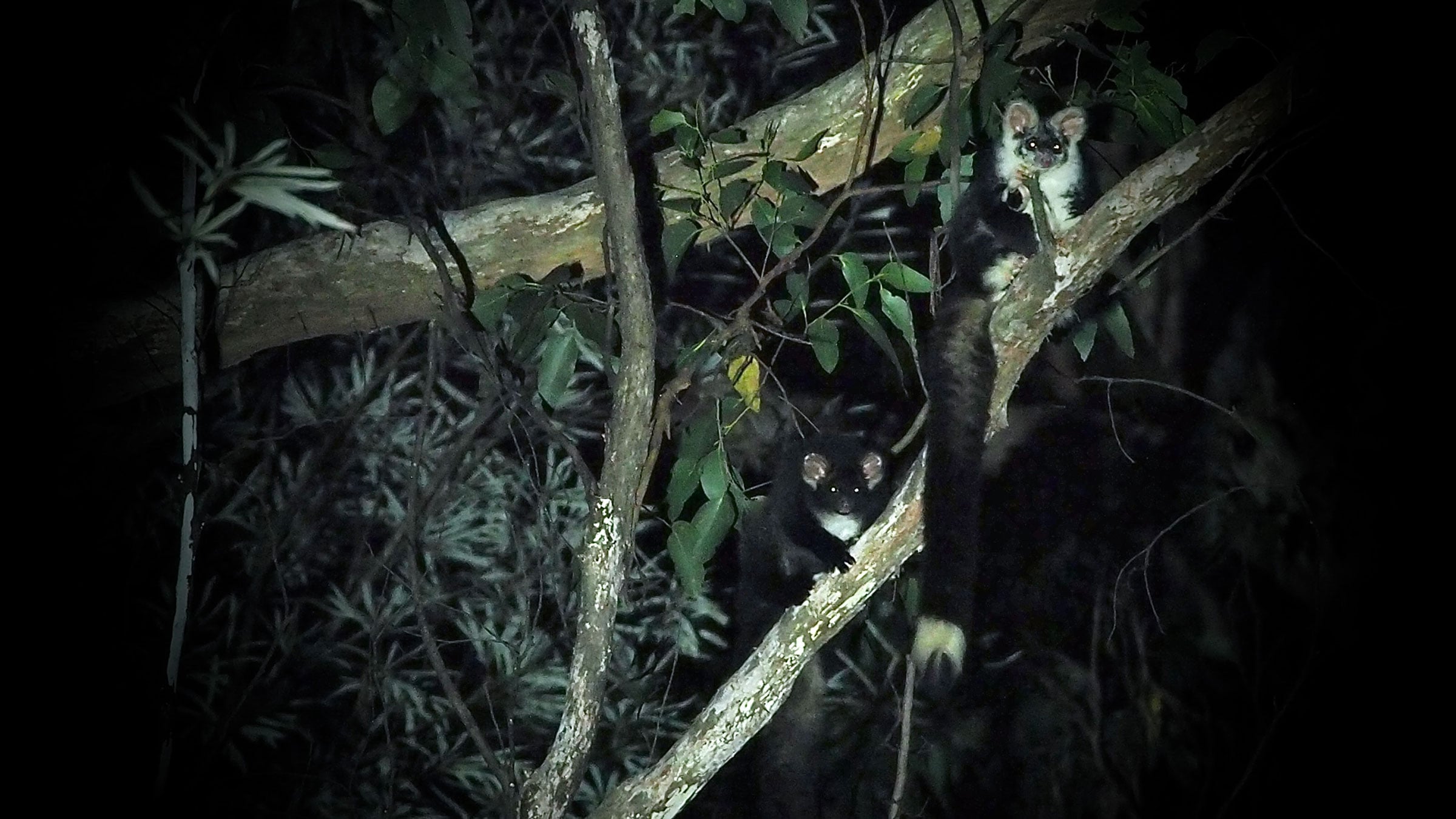
‘The EPA seems to have agreed that surveying for nocturnal gliders during the day is ineffective, and rather than mandate nighttime surveys they have simply removed the requirements to look for them altogether,’ said Clancy Barnard, NCC spokesperson.
Instead the EPA has required that, in some areas, there will a small increase in hollow bearing trees (80 cm or above) retained from eight to 14 per hectare.
‘Greater gliders are under such a threat of extinction that every individual, every den tree makes a difference to the survival of the species,’ said Gary Dunnett, National Parks Association (NPA) Executive Officer.
‘By removing the requirement for pre-logging surveys the NSW government has abandoned responsible environmental management and gifted NSWFC a ‘set and forget’ arrangement that will do nothing to safeguard gliders. Our forests and threatened species deserve better.’

Bushfire impacts
Approximately 900,000 hectares of NSW public forests are subject to logging and last week Friends of the Forest (Mogo) found 13 greater gliders and four of their den trees, in two nights at Flat Rock State Forest, in trees immediately adjacent to logging machinery subject to a stop work order.
‘This government’s cessation to survey for den trees will cause great environmental harm to forest wildlife already devastated by the Black Summer wildfires across NSW,’ said a spokesperson for NSW Forest Alliance.
‘The alarming loss of hollow-bearing trees in the 2019/20 wildfires requires that we should be protecting all remaining hollow-bearing trees for the 174 NSW species that depend upon them, and restoring them across the landscape by retaining the biggest remaining trees to develop into future hollow-bearing trees,’ said North East Forest Alliance spokesperson Dailan Pugh.

Citizen scientists
‘This decision attempts to override the current legal requirement to identify and protect 50m around den trees of southern greater glider, yellow-bellied glider, squirrel glider and brush-tailed phascogale, along with nest trees for masked, sooty and barking owls.
‘The homes of these hollow-dependent nocturnal species can only be identified in nocturnal searches. The political deal done between the EPA and NSWFC removes the need for nocturnal searches, instead requiring the retention of four to six additional mature trees per hectare in modelled greater glider habitat. The current requirement to retain eight hollow-bearing trees per hectare already can’t be met in most logged coastal forests, so requiring the retention of a few additional trees will be of limited benefit to hollow-dependent species.
‘Contrary to the EPA’s claims, protecting a few additional trees does not increase habitat protection compared to identifying and protecting 50m around their homes.

‘Allowing logging around den and nest trees is grossly irresponsible. Wide buffers are needed to provide mature trees for foraging, additional den trees, future hollow-bearing trees, and to buffer trees from wind throw.’

The removal of the requirement for NSWFC to identify den trees leaves the work in the unpaid hands of volunteers and citizen scientists with a range of organisations calling for the end of native forest logging.
‘It will now be up to citizen scientists to do the work the EPA and NSWFC won’t and identify the hollow-bearing trees that are vital sanctuaries for endangered species like the greater glider,’ said Mr Barnard.
‘While the Forestry Corporation have proven they are unwilling and incapable of identifying greater glider den trees, conservation groups have identified dozens in recent months, proving that they can be found. This emphasises the need for independent searches,’ explained Mr Pugh.

Buyback contracts
Vice-President of the North Coast Environment Council (NCEC) Susie Russell said that, ‘The government needs to immediately begin to buy back wood contracts to take the pressure off our wildlife because animals like endangered greater gliders die when their den trees die, and they die when their home range is cleared by logging machinery. That’s one reason they are endangered, and the EPA is meant to protect the environment, not the logging industry.’
 For four decades The Echo has printed the stories some people loved, some people hated, and some pretended not to read. If you want us to keep telling the truth, the real truth, not the sugar-coated version. We’ll need your support to keep the presses rolling.


