


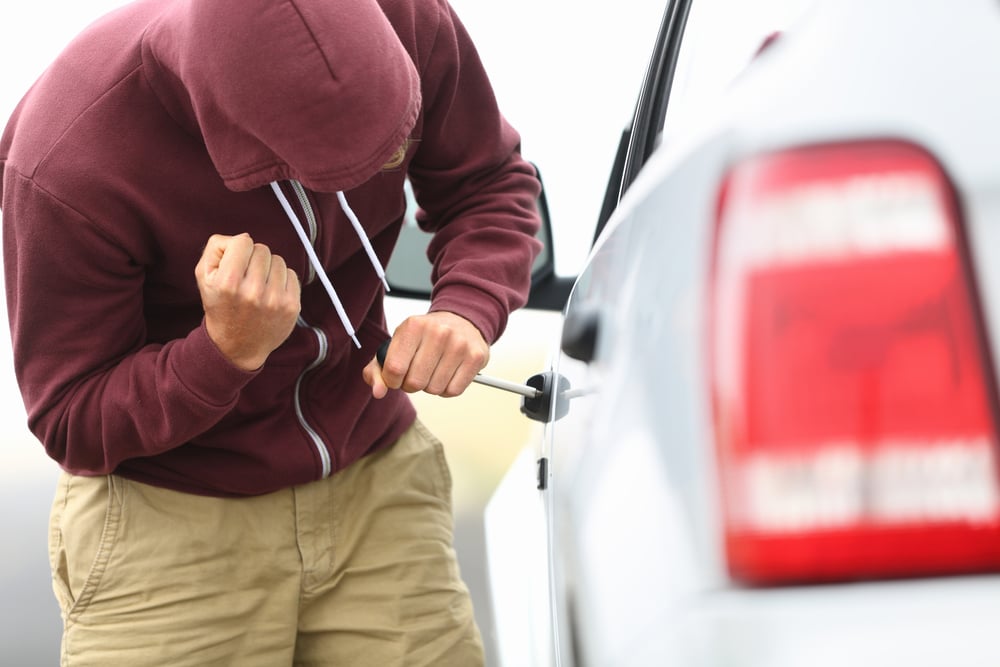
Ballina has seen two meetings this month about increasing youth crime. At the same time, reports of youth crime have increased in some areas of the Tweed and Byron shires.
‘There has been a significant spike in certain types of crime committed by youths aged 14 years to 18 years over the last 18 months in the Ballina electorate, and in many regional towns in NSW,’ explained Ballina MP Tamara Smith.

‘Those crimes are car theft and break and enter offences and with additionally what are being called “post and boast” aggravated incidents where perpetrators are filming and photographing the crimes and sharing the footage online.’
Detective Chief Inspector Bill McKenna from the Richmond Police told the recent Ballina meeting that February had been their busiest month. There were 33 break-in and steal incidents occurring and around 40 per cent were on premises that were unlocked.

‘We’ve seen an increase of youth crime in some areas,’ Matt Kehoe, Detective Chief Inspector for the Tweed Byron Police told The Echo.
‘We are still seeing young people from the Gold Coast area coming to the northern half of our district including Kingscliff and Casuarina. They are breaking into houses, stealing car keys and stealing cars. Also young people are coming from Ballina and Lismore to Suffolk Park, Brunswick Heads and Ocean Shores.’
One young woman from South Golden Beach recently told The Echo that her home had been broken into while she was at home in bed, which was very frightening.
Underlying causes need to be tackled
‘I am appalled at this kind of behaviour and these crimes and certainly offenders must be charged and held to account,’ said Ms Smith.
‘However, these type of spikes in crime amongst youth across regional NSW have an underbelly in terms of the types of factors that are contributing and causes – poverty, the loss of essential services, chronic teacher shortages, disengagement with school and education, lack of activities for young people, mental health conditions, difficult home lives, and drug and alcohol dependence. These types of spikes in crime amongst children are a symptom of failures at the system level.’
Many people at the recent Ballina meeting were reported as supporting the recent changes to youth bail laws by the NSW government. Some felt those changes were not enough.

‘People often support “tough on crime” reforms because they are scared and they want to feel safer, which is completely understandable – we all have the right to feel safe in our homes and communities,’ said Ballina Councillor Kiri Dicker, who began as a youth worker in Ballina around 20 years ago.
‘The problem is, the evidence clearly shows that the longer young people spend in the criminal justice system, the more likely they are to commit crime. So while it may be a short-term fix, it will only make the problem worse. Locking up young people is also exceedingly expensive, it costs taxpayers almost $1,000,000 a year to keep a young person in juvenile detention. I’d rather see that money spent on programs and services that address the root causes of crime (inequality and disadvantage) and actually reduce crime. I want people to actually be safer, not just feel safer.’
Ms Diker’s position is supported by The Law Society of NSW who says this ‘twelve-month “experiment” to tighten bail laws for children and young people prioritises a drive for political action instead of evidence-based, well-considered reform’.
Bail laws: ‘more harm than good’
The NSW Law Society pointed out that: ‘Children are vulnerable in their interactions with the criminal justice system. The Law Society has consistently advocated for measures that support children, including through diversion programs that deal with the underlying causes of offending.’

President of the Law Society of NSW Brett McGrath said that, ‘Tightening the test for bail will result in more children being sent into custody. In circumstances where youth justice centres are often many hours from child defendants’ families and communities, this change has the potential to do a great deal more harm than good.’
Ms Smith told The Echo that, ‘The police tell me that we need to see an extension of diversionary programs that divert child offenders from jail and youth justice centres and instead they are in residential facilities that address underlying health, drug and alcohol, disability, and poverty impacts as well as working with broader society to support changes in the young person’s life so that they can break free of the cycle of incarceration. These offenders are mostly Aboriginal children, as we recognise in Close the Gap policies.’
‘Unfortunately, the government’s response this week, which was to introduce tighter bail laws for offenders aged 14-18 years will simply see more children in prison while they wait for court cases and sentencing,’ said Ms Smith.
‘When you have children engaging in these behaviours you need radical interventions that do not see them enter the criminal justice system where they are going to be brutalised, traumatised, and go on to commit worse crimes – that is what the data tells us will happen. Only the Greens, with a few independents, voted against these laws that will see a huge increase in the number of mostly Aboriginal children going to prison.’
Opportunistic crime
Detective Kehoe said that many of the crimes were opportunistic.
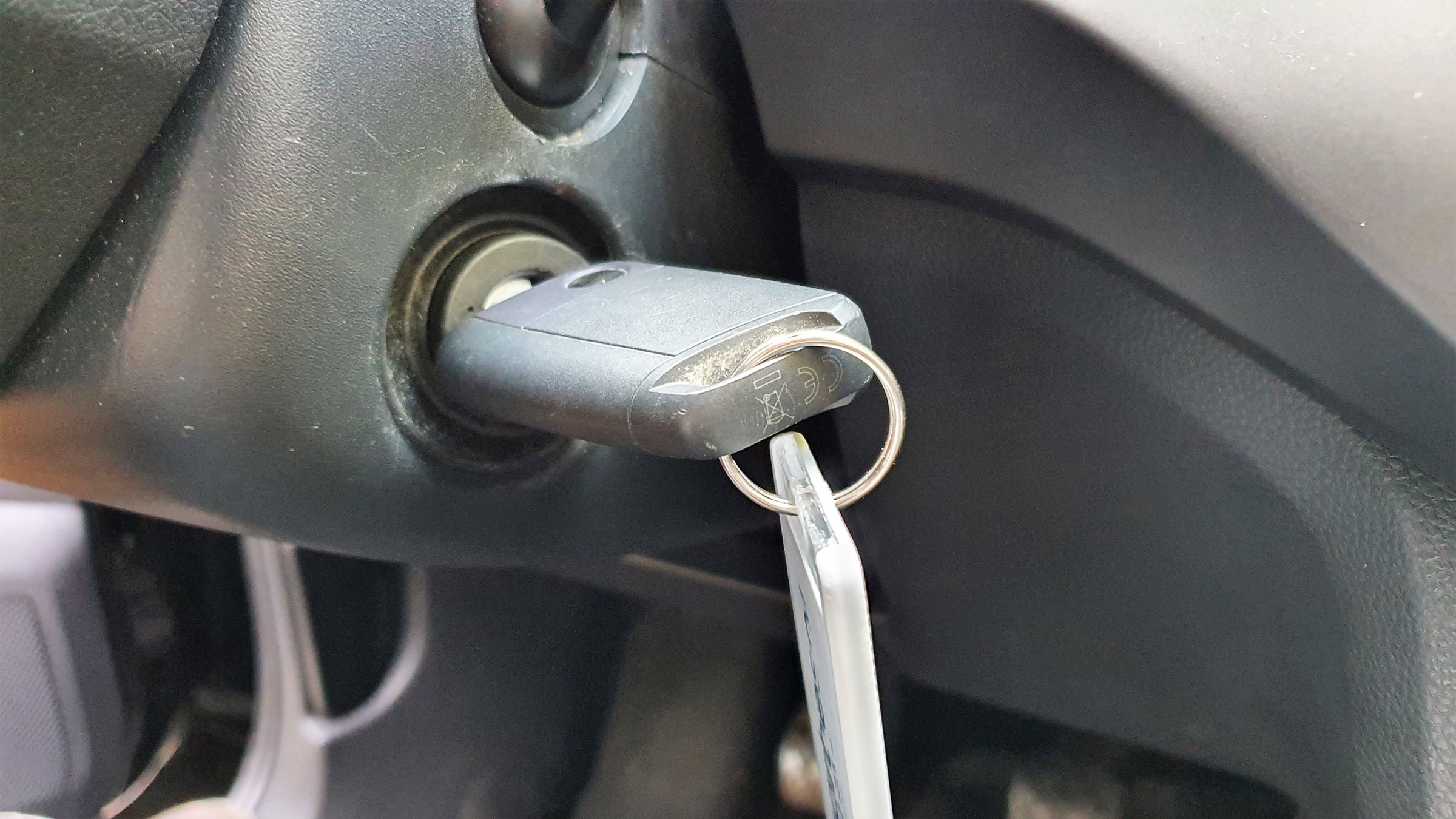
‘They are stealing vehicles where car keys are in the vehicle, even in the ignition and when houses are left unlocked,’ he said.
‘So security is a big issue. Lock your doors. They are often targeting the more affluent areas, they are looking to steal higher end vehicles.’

Ballina Mayor, Sharon Cadwallader told The Echo that Ballina Shire Council, Ballina MP Tamara Smith and the Ballina Police are looking at putting CCTV cameras in the CBD in coming months.
‘The Ballina Police have offered to monitor the cameras which makes sense as the police station is manned 24/7. If they spotted a group of youth gathering in the CBD they could immediately respond,’ said Cr Cadwallader.
‘Greens member for Ballina Tamara Smith made an election commitment to fund the cameras so once the plan is complete, we will be asking for the funding to install the cameras.
‘There are many reasons [put forward as to] what causes people to commit crimes. Generally, across the board the main reasons relate to problems at school, domestic violence at home, peer pressure, economic insecurity, psychological problems and drug and alcohol abuse. The changes relating to bail conditions is just a piecemeal approach which doesn’t go far enough. A total review of legislation is required,’ said Cr Cadwallader.
Community engagement need
The police have a range of programs that work with young people and youth at risk and are proactively engaged in programs that involve both prevention and intervention strategies for young people who are at risk of entering the criminal justice system. This includes specialist youth officers who work with local police to deliver NSW Police Force youth-focused programs and youth initiatives – including Fight for Success and Fit for Life – which focus on preventing and disrupting crime. Youth Engagement Officers also work with PCYC, schools and external service providers within the command to interact with and provide mentor opportunities to young people.
However, ‘While the NSW Police Force will continue to work to empower youth to make the right decisions, there needs to be a concerted, societal effort to instil a sense of belonging and purpose to enable at-risk young individuals to reach their full potential. This could mean encouraging kids into activities such as work, school, community or sport,’ a spokesperson for North Coast police told The Echo.
Cr Dicker agrees, saying that more funding is needed for ‘programs and services that address entrenched inequality and disadvantage and for restorative justice programs that address the trauma for victims of crime. The solutions to these problems won’t come from the government, they need to come from the community and young people need to be at the centre of the solution.’
‘An excellent initiative that has recently been established is called Country as Teacher, which recently held a Bundjalung Youth Leadership Camp at South Ballina to support First Nations youth to learn from and directly with Jogun (country). You can find out more at countryasteacher.org. We need more of these kinds of programs in our community for First Nations and non-Indigenous kids,’ she said.
 For four decades The Echo has printed the stories some people loved, some people hated, and some pretended not to read. If you want us to keep telling the truth, the real truth, not the sugar-coated version. We’ll need your support to keep the presses rolling.


