


Warning: there are images of people who have passed away in this article.
In 1901, when Australia’s Constitution was originally determined, there was no direct mention of First Nations people. In fact, it was designed to deliberately exclude us. This, in turn, gave the states control over Aboriginal affairs, allowing for over 60 years of racist policies to take hold, laying the foundation for the disadvantage we see in our communities today.

Aboriginal and Torres Strait Islander people were under the control of the states. In NSW, this gave the government’s Aboriginal Protection Board complete control over where Aboriginal people could live and how they could participate in the economy. This was the policy of segregation which led to the establishment of missions and reserves, designed to keep the Aboriginal population distanced from the white population.
At the time, those who might be considered as capable of integrating within the white population were often taken and placed with white families or in group homes. The vast majority of those who were taken were Aboriginal and Torres Strait Islander children, the ‘Stolen Generations’.
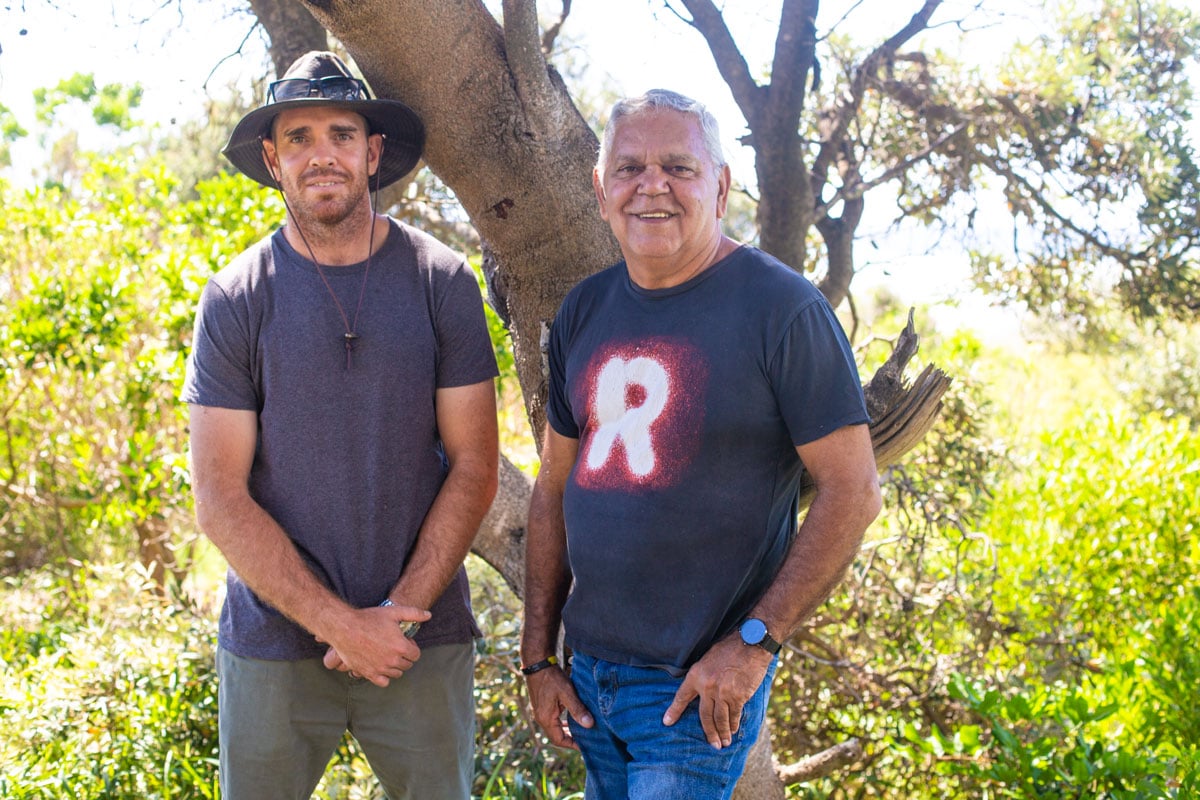
Photo Tree Faerie.
My father grew up in this racially divided nation. He grew up in a country that not only did not recognize him in the Constitution (it still doesn’t), but he also grew up in a country that was determined to devalue his existence.
He recalls growing up on Cabbage Tree Island under the watchful eye of a white mission manager. He remembers his mother and father having to seek permission from the manager to travel to Kempsey to see his relatives. He remembers the Aboriginal Protection Board coming to his household and checking for cleanliness.
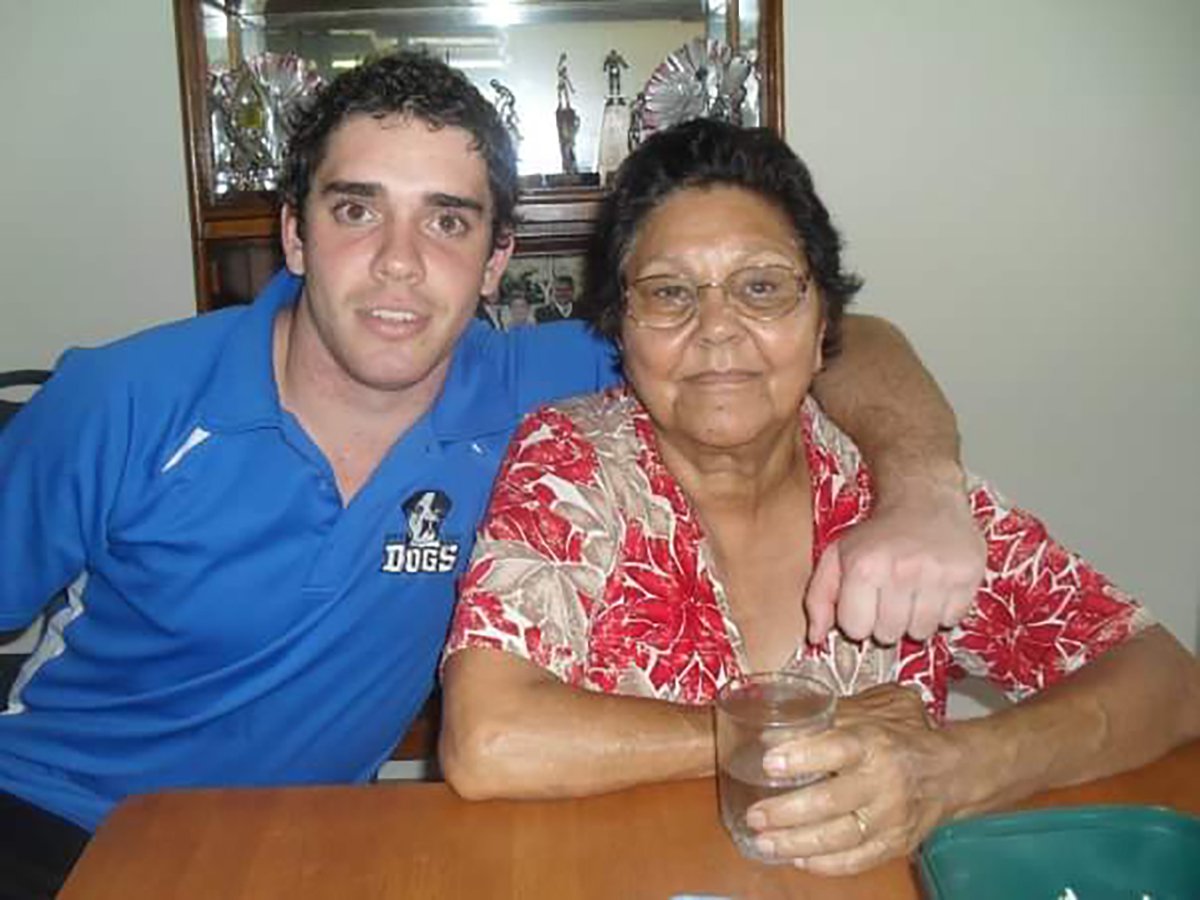
If the house was unkept, there was a real possibility that he and his siblings would be removed. He talks of the inspectors putting on white gloves and running their fingers over windowsills checking for dust. He remembers the fear on his mother’s face and the frantic cleaning she would engage with every day to avoid the potential loss of her children.
The 1967 referendum handed over the control of Indigenous affairs to the Commonwealth under what is known as the ‘race power’.
However, the referendum left several key issues unresolved, including the disadvantage and division which had taken hold. It did not guarantee fairer or even equal treatment, and at the time, still allowed for the omission of Aboriginal and Torres Strait Islander people from voting in state elections.
Recognition
Since then, the Constitution in relation to Aboriginal and Torres Strait Islander people has remained the same. What we have been arguing for from this point has been the concept of ‘recognition’. In general terms, the idea of ‘recognition’ for Aboriginal and Torres Strait Islander people, is enshrining within the Constitution, a guarantee for fairer and equal treatment. Some may question why such a request needs to be enshrined within the Constitution – it is simply to ensure that those guarantees are binding and cannot be altered at the change of a government or policy position.
In order to achieve meaningful ‘recognition’ for Aboriginal and Torres Strait Islander people we, as a nation, have been proposed a ‘Voice’ to parliament. This Voice will be a body which will have the opportunity to make representations to the Australian Parliament on matters relating to Aboriginal and Torres Strait Islander peoples. Effectively providing us the opportunity to have a say in the way policy is determined and delivered in areas that impact on our lives. This in essence is the foundation of self-determination for First Nations people providing us with the agency to make change in an environment that has failed us so badly in the past.

Time for change
For too long we have allowed disadvantage to take hold and fester within this country. We have turned a blind eye to policies that have negatively impacted on First Nations people. In my lifetime, there has been little to no progress in areas such as health, education, housing, incarceration, deaths in custody, and child removal. We continue to lose our children, bury our young, and be held back by ineffective government programs and organisations.
Next Saturday, 14 October we have the opportunity to make change. You will be asked to vote ‘Yes’ or ‘No’ to a proposal that can improve our nation for the better. A vote of ‘No’ is a vote to continue along the path of consistent failure in policy and implementation. A vote of ‘Yes’ will allow our people to finally have a seat at the table to provide feedback on policies that affect ‘us’. It will provide us an opportunity to have a say in determining our futures – a Voice that cannot be taken away with the stoke of a pen.
A vote of ‘Yes’ is not divisive. We are already divided. A vote of ‘Yes’ will be defining. Defining who we are as a nation moving forward into the future. Defining a path towards reducing disadvantage and achieving greater outcomes for First Nations people. Towards a more united and fairer country.
I vote ‘Yes’ not for myself but for my children, and their children, with the hope that they have the opportunity to grow up in a more united country. Every generation has the opportunity to define a stronger nation. On Saturday, it is our turn.
Vote ‘Yes’.

♦ Eli Cook is from the Nyangbal clan of the Bundjalung nation.
His family are descendants of the South Ballina tribe.
As a local school teacher from the Ballina area he has worked closely with the Aboriginal community for the past eight years.
 For four decades The Echo has printed the stories some people loved, some people hated, and some pretended not to read. If you want us to keep telling the truth, the real truth, not the sugar-coated version. We’ll need your support to keep the presses rolling.


