


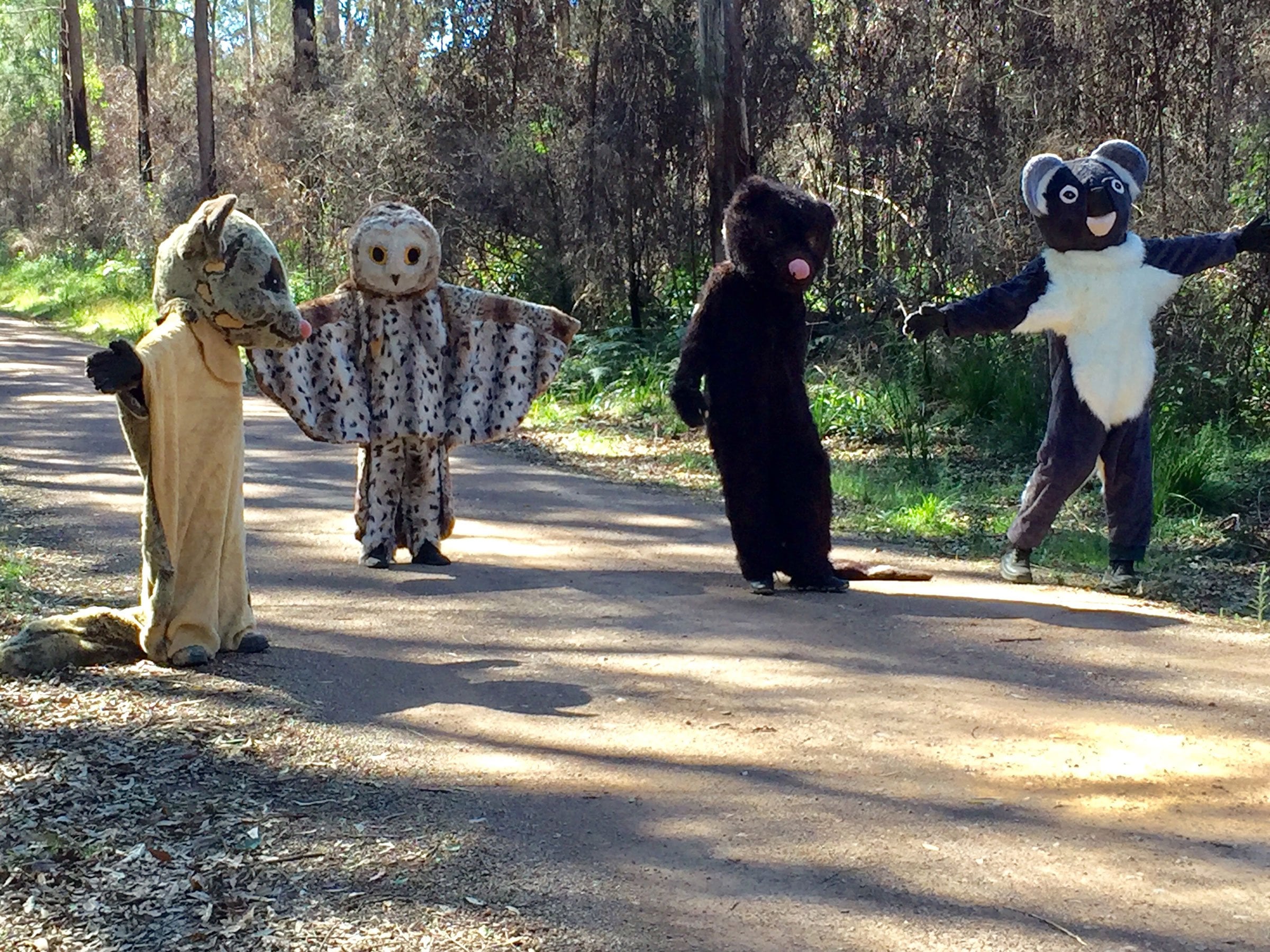
Tomorrow is National Threatened Species Day and as the climate warms, floods, droughts, fires and melting ice sheets become the norm there is no escaping the scientific fact that human-induced climate change is having a massive impact not only on humans but on a multitude of other species.
A focus for north coast forest protectors has been the impact logging by the NSW Forestry Corporation is having on the remaining state forests following the devastation wrought by the 2019-20 Balck Summer bushfires.
‘Australia’s iconic fauna and flora are in big trouble. One of the main causes of their decline is habitat loss and habitat fragmentation,’ said Sharyn O’Dell spokesperson for Save Bulga Forest.
Protests have been taking place throughout a number of state forests on the north coast, particularly those forests that will be made part of the future Great Koala National Park (GKNP). These include the Bulga, Yarratt, Newry, Kalang, and Orara State Forests. Forest protectors have been highlighting the impact on a range of threatened and endangered species including the koala, greater glider, masked owl, yellow-bellied glider and tiger quoll.
‘In Yarratt State Forest logging is destroying an area of forest where koalas live. Logging is due to start soon in Kiwarrak State Forest [which was] badly burnt by the 2019 bushfires and is far from recovered. The area targeted for logging is the area nearest Tinonee and the area where there are the most koala records since the fires,’ explained Ms O’Dell .
‘In Bulga State Forest, logging is about to recommence in one of the region’s strongholds for the Greater Glider.’
Rally your voices
In response, there is a National Threatened Species Day rally and march being held tomorrow Thursday, September 7, 10am at Fotheringham Park, Taree.
‘Here in the Manning Valley we have several shocking examples where the government is subsidising that destruction,’ said Ms O’Dell.
‘If the destruction doesn’t stop, our grandkids are facing a world where they are unlikely to see any of these animals in the wild. That’s a sadder, quieter world. One I don’t want for my grandkids.’
 For four decades The Echo has printed the stories some people loved, some people hated, and some pretended not to read. If you want us to keep telling the truth, the real truth, not the sugar-coated version. We’ll need your support to keep the presses rolling.


